Appalachian trailhead parking and litter guide
Research ownership, legal parking, seasonal access and litter hotspots at Southern Appalachian trailheads before organizing volunteer work.
Recently verified — 2 August 2026
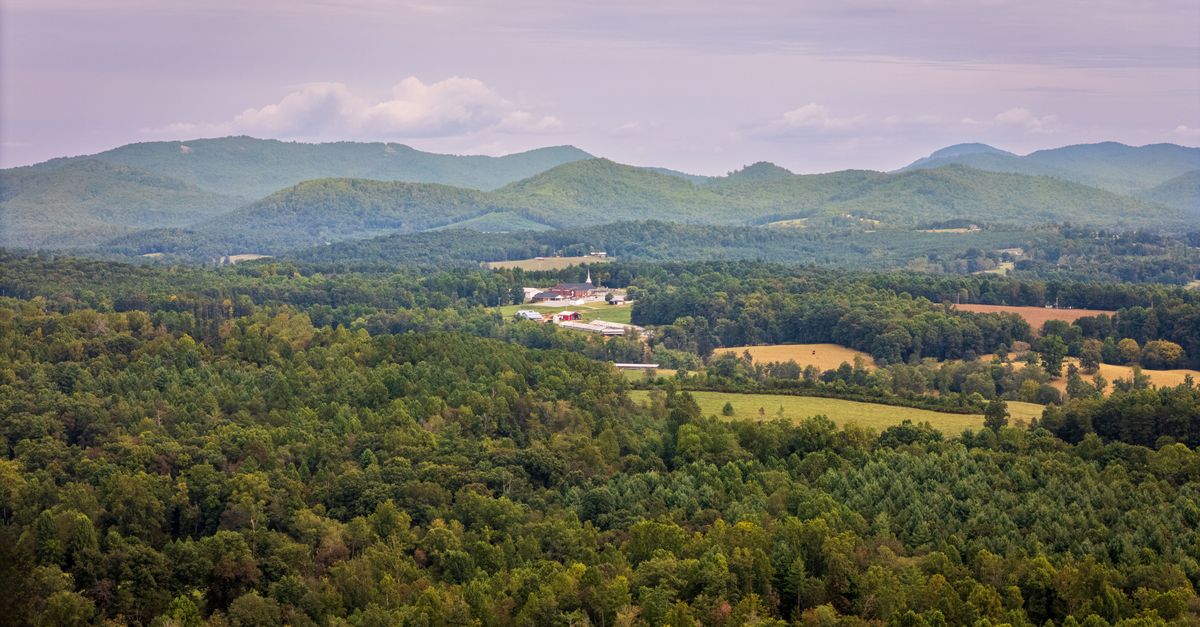
Southern Appalachian trailheads often sit in narrow valleys, road gaps and shared access corridors. The trail may be nationally known while the parking area is maintained by a national forest, state agency, county, private partner or local trail club. Litter cleanup and parking advice must follow that operating owner.
Do not assume the Appalachian Trail name gives the National Park Service direct control of every lot. Identify the parcel and maintaining partner first.
Research the arrival route
Use the manager's official directions and alerts. Record route number, seasonal gates, road surface, vehicle restrictions, pass or fee, lot capacity and legal overflow. Mountain navigation apps can send drivers over private or unsuitable roads.
Check weather beyond the city forecast. Heavy rain, freeze-thaw, snow, fallen trees and wildfire operations can affect a gap even when the valley road is open.
Separate trail and parking managers
Find contacts for the land agency, highway authority and trail club. Ask:
- who approves volunteers in the lot and first trail section;
- who collects bags and bulky waste;
- whether roadside work requires traffic control;
- what natural or historic material stays;
- who handles sharps, batteries and dumping;
- whether hunting or seasonal closures affect the work;
- whether a trail adopter already covers the site.
Audit predictable litter zones
Map parking wheel stops, kiosk, toilet exterior, picnic or waiting area, drainage edge and first hundred meters of trail. Record effort and count categories such as drink containers, food packaging, pet-waste bags, toilet paper, cigarette filters and vehicle-related fragments.
Stay on hardened ground. Do not descend a steep drainage ditch or enter dense vegetation to improve the count. Culverts, road shoulders and unstable slopes belong to authorized crews.
Plan a small cleanup with complete carry
Trailheads have limited staging. Set group size by parking and pickup capacity. Encourage carpooling only through legal lots and never consume the spaces needed by ordinary visitors or emergency vehicles without manager coordination.
Use durable bags, grabbers and rigid sharps handling only under an approved procedure. Assign a sweep team and remove every bag the same day. A bear-resistant bin or trailhead can is not a disposal route for event volume.
Publish conditions as dated observations
Add a trailhead condition report with gate, road, parking, toilet and crowding observed that day. Link the official forest or state alert.
Map a recurring trailhead cleanup need with safe work zones and bag estimate. When approved, publish the cleanup with parking limits, weather cutoff and disposal.
Connect trail use to water
Many Appalachian access lots drain toward small creeks. Keep collected bags and sorting away from drains. Do not wash tools or dump liquids into the ditch. Report oil, chemical containers and sewage indicators rather than handling them.
Return evidence to the partners
Provide fixed photographs, zone counts, volunteer hours, disposal receipts and unresolved hazards. Publish a dated before-and-after set without license plates.
A good trailhead guide prevents two impacts at once: drivers do not create new parking damage, and volunteers remove litter through a plan the local operator can actually support.
A publish-ready verification box
End the guide with the managing unit, road number, lot name, fee or pass, legal overflow instruction, last alert check and observation date. Add the trail-club contact separately from the parking operator. If the lot has no legal alternative when full, say “choose another trailhead” rather than leaving the reader to improvise.
For cleanup organizers, add bag pickup contact, maximum volunteers and the approved work side of the road. Reconfirm those details 48 hours before the event. A printed copy helps team leads when the gap has no signal.
Sources & further reading
- Forest Service alerts and notices — US Forest Service
- Appalachian National Scenic Trail — National Park Service
Access, prices and opening times change. Verify locally before you travel.
Tags
- Southern Appalachians
- trailheads
- parking
- litter cleanup
Beyond this page
Links to reference material and organisations we don't control.
- ReferenceLitterWikipedia
- ReferenceIllegal dumpingWikipedia
- OrganisationWorld Cleanup DayLet's Do It World
- ReferenceThe AppalachiansWikipedia