Cigarette butt cleanups: count filters as plastic and plan the handoff
Collect cigarette filters safely, count them in a repeatable way, keep them out of compost and recycling, and use the result to place better disposal options.
What we actually find: plastic, metal, glass, tyres and hazardous waste.

Collect cigarette filters safely, count them in a repeatable way, keep them out of compost and recycling, and use the result to place better disposal options.
Use repeatable street observations to connect litter to drains, land use, bins, weather and service gaps before planning a cleanup.
Keep wet wipes out of toilets, storm drains and recycling by explaining the disposal route and setting a safe cleanup boundary.
Learn why plastic pellets need an operator-led response, how to keep volunteers away from spills and what information makes a report useful.
Keep released balloons, ribbons and valves out of wildlife habitat by combining safe retrieval limits with event prevention and reporting.
Plan a safe response to discarded masks, gloves and disinfectant wipes without touching contaminated items or mixing them with recycling.

Connect street observations, drain education, local permission and safe collection so a litter campaign reduces runoff without entering traffic.

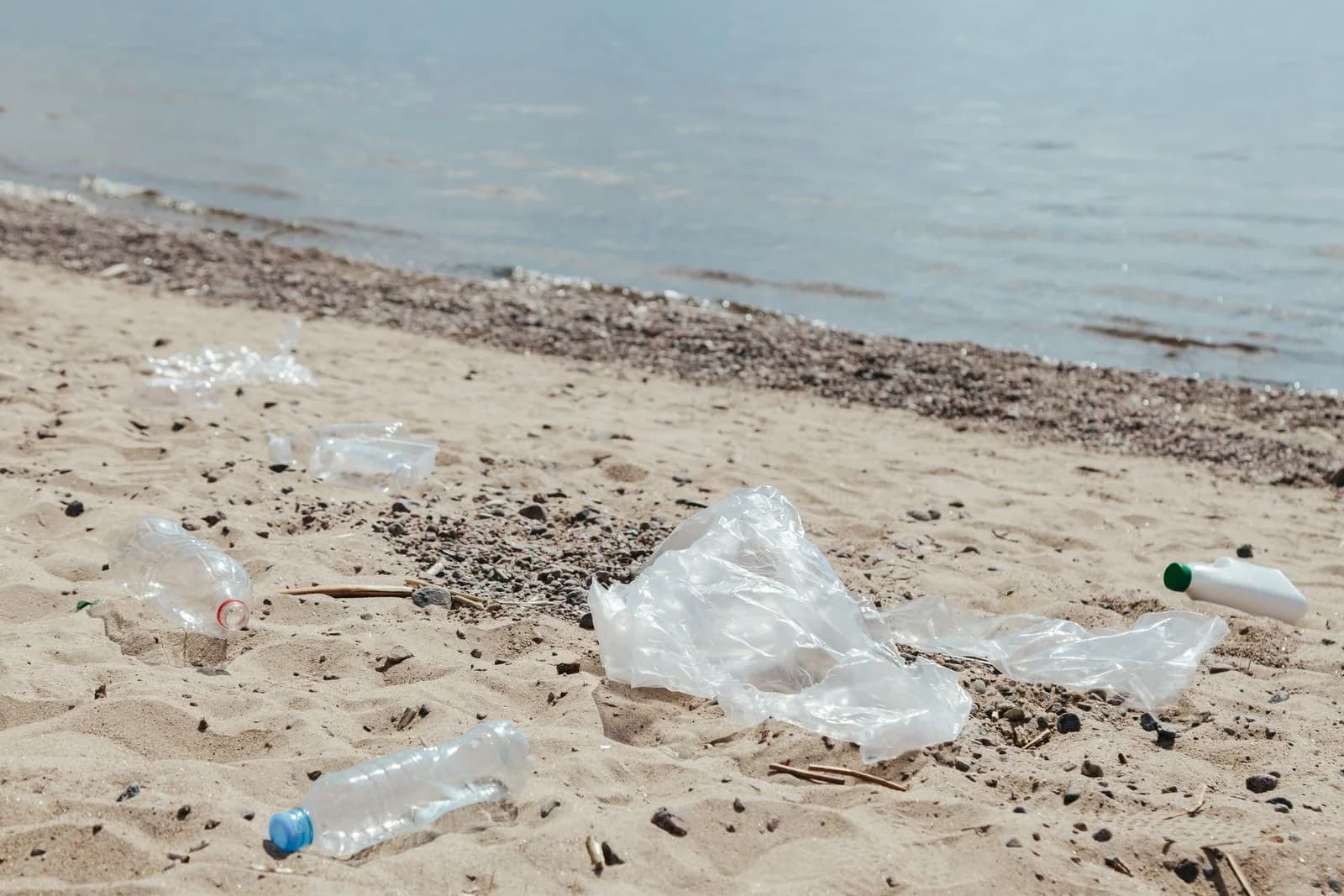
Set realistic limits for volunteer beach cleanups by separating visible litter, small fragments, scientific sampling and safe reporting.

Collect monofilament safely, keep hooks and line out of wildlife habitat, and use a confirmed recycling or disposal route.

A plain-English guide to Bulgaria's municipal waste, packaging and collection statistics, including what the headline totals can and cannot tell you about litter.

What the OECD and UNEP figures for production, waste, recycling and environmental leakage actually measure, and how to use them responsibly.

EPA's 2018 plastic waste data, why a resin code is not a recycling guarantee, and how to sort plastic from a cleanup without wish-cycling.

Eurostat's 2022 carrier-bag figures explained, including thickness categories, missing comparisons and better litter-survey practice.

Why sieving sand is rarely a simple solution, how to avoid habitat damage and where source prevention and professional monitoring fit.

How to read California Coastal Cleanup Day's long-running item counts, including the top categories from 1988–2023 and the limits of volunteer data.

A repeatable approach to freshwater shoreline monitoring using NOAA guidance, with notes on segment choice, storm effects, microplastics and event-data limits.
Links to reference material and organisations we don't control.