Weather cancellation plan for cleanup events
Set decision times and thresholds for heat, lightning, smoke, wind, surf, flood and cold before volunteers travel to a cleanup.
Recently verified — 2 August 2026
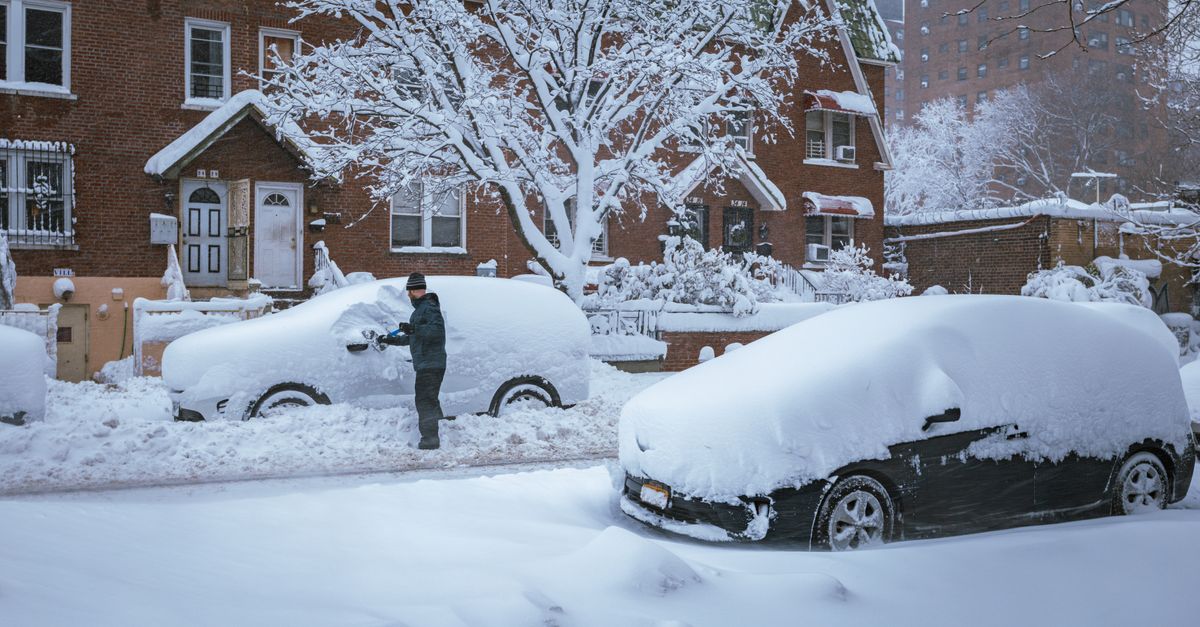
“Canceled if weather is bad” is not a plan. Volunteers need to know which conditions matter, who decides, when the decision is published and how a sudden on-site change stops work.
Use National Weather Service forecasts and alerts, AirNow smoke information, local emergency management and the land manager. Set site-specific thresholds with qualified partners; do not copy a temperature or wind number from an unrelated event.
Name one decision lead and one backup
The weather lead monitors official sources, speaks with the land manager and posts the decision. The safety lead can stop work on site even if the event opened. Publish one contact and one event page.
Define decision times:
- preliminary review 48 hours before;
- go, modify or cancel decision the prior evening;
- morning update before travel;
- continuous on-site monitoring;
- post-event travel and heat check.
For distant volunteers, decide early enough to prevent unnecessary travel.
Build a hazard matrix for the exact site
| Hazard | Why it matters | Possible action |
|---|---|---|
| Lightning | Open beaches, ridges, water and tools | Cancel, delay or evacuate to substantial shelter |
| Heat | Exertion, limited shade, heavy bags | Shorten, move earlier, reduce load or cancel |
| Smoke | Respiratory exposure and low visibility | Use AirNow and local health guidance |
| High wind | Falling limbs, surf, blowing fragments | Close wooded or coastal zones; cancel |
| Flood or high water | Banks, roads and return routes | Cancel before entry; never work in floodwater |
| Cold or ice | Slips, wet exposure and road risk | Delay, shorten or cancel |
| Surf and tide | Cutoff routes and sneaker waves | Use local coastal forecast and manager window |
Define three outcomes
Go
Conditions remain within the approved plan. Repeat gear, water and transport instructions.
Modify
Shorter time, smaller zone, lighter task, earlier start or lower capacity still meets manager and disposal commitments. Confirm the disposal pickup can move too.
Cancel or postpone
No volunteer work occurs. Notify land manager, hauler, tool providers and registrants. Remove or update public listings so late arrivals do not appear at a closed site.
Plan on-site observation
Brief volunteers on the stop signal, shelter or evacuation route, buddy system and check-out. Assign someone who is not buried in sorting to watch sky, heat symptoms, river rise, smoke and wind.
Never pressure people to continue because they traveled far or sponsors are present. Allow self-withdrawal without argument.
Communicate in one place
Publish the cleanup with its decision time and weather status. Use clear timestamped updates: “Canceled at 6:10 a.m. July 12 due to flood warning.” Do not leave an old “going ahead” message visible above the cancellation.
If the event is postponed, make a new or clearly updated date. A past cleanup page can remain as an honest weather record.
Protect the site after cancellation
Do not stage empty bags or tools before the final decision where wind or water can scatter them. If a hazardous litter site remains, keep the cleanup map record open with access closed and reference the manager's notice.
Review the decision afterward
In the event record or after-action note, capture forecast source, decision time, changes, messages sent and any near miss. That makes the next threshold more site-specific.
A good cancellation plan is successful when nothing dramatic happens: people receive the decision early, the site stays undisturbed and the project can return under safer conditions.
Prepare messages before the forecast deteriorates
Draft go, modify and cancel messages when the event is created. Each should include timestamp, decision, reason, land-manager status, what happens to registration and when the next update will appear. Translate essential safety text for the expected audience.
Test email, text and event-page access with the backup lead. Keep a printed registration contact list under the organizer's privacy policy for a service outage. After sending, check that maps and automated reminders do not continue directing people to the site.
Sources & further reading
- National Weather Service safety — National Weather Service
- AirNow — US Environmental Protection Agency
Access, prices and opening times change. Verify locally before you travel.
Tags
- cleanup events
- weather safety
- cancellation plan
- volunteer management
Background reading
Links to reference material and organisations we don't control.
- OrganisationWorld Cleanup DayLet's Do It World
- OrganisationInternational Coastal CleanupOcean Conservancy
- ReferenceVolunteeringWikipedia