Devetashka and Prohodna caves — a responsible north Bulgaria trip
Plan visits to Devetashka and Prohodna with verified access, bat protection, rockfall awareness, lawful parking and a clear boundary between sightseeing and wild caving.
Recently verified — 1 August 2026
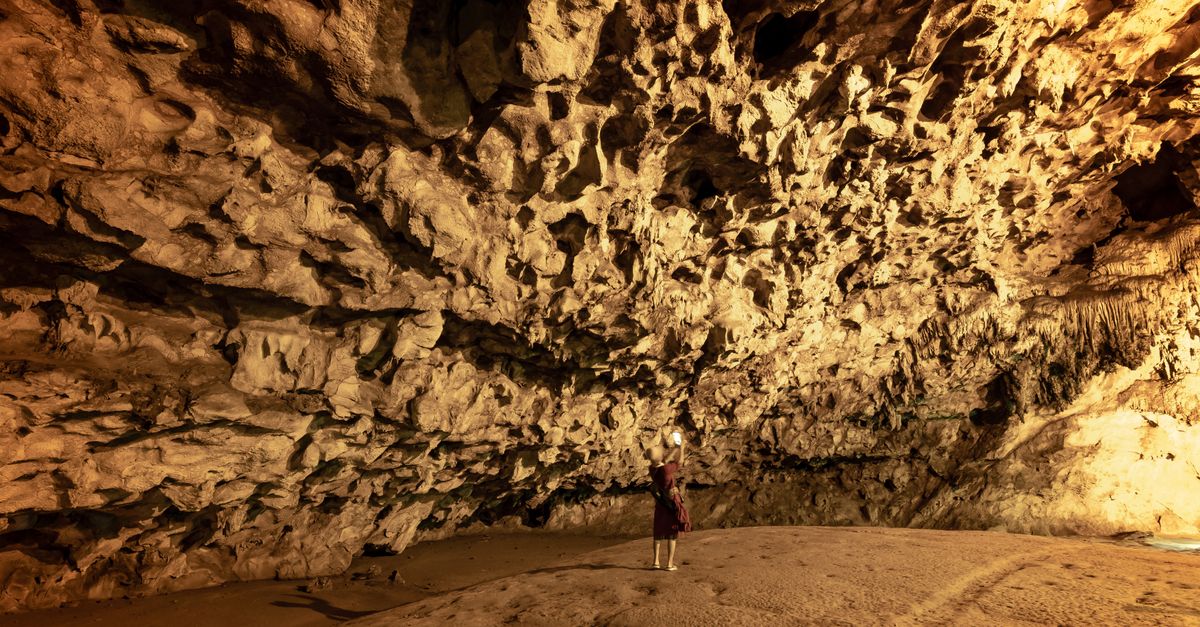
Devetashka and Prohodna are large, famous cave experiences, but neither should be treated as an invitation to explore every dark passage. Check current access, seasonal wildlife restrictions, road condition and managed boundaries before travel.
Verify each site separately
Devetashka has important bat habitat; Prohodna sits within the Karlukovo karst landscape and is associated with climbing and other cave sites. One day's opening does not establish permission elsewhere.
Add a dated cave condition report with entrance, floor and restriction notices. Keep sensitive roost details out of public coordinates.
Carry all waste out and do not hide it in rock openings. For litter at a public car park, remove a small safe amount or map a cleanup need. Coordinate any group work with the manager so visitor activity does not disturb wildlife.
Build a two-stop plan with margins
Treat the caves as separate visits rather than assuming that proximity makes them one managed attraction. Check each official or managerial source on the day before departure and again when practical. Record entrance status, any seasonal notice, parking instruction and the last safe time to begin the public route. Allow enough daylight to leave without rushing if a road, queue or muddy approach takes longer than expected.
Share the route and expected return with someone outside the group. Mobile reception can vary, so save directions and contact details offline. A closed gate, warning sign or staff instruction ends that part of the plan; it is not a clue to search for another entrance. Keep a surface alternative nearby rather than trying an undocumented cave or shaft.
Dress for the cave threshold
Wear closed footwear with tread and carry a warm layer even on a hot day. The transition between bright sunlight and a dim interior reduces visual detail, so pause and let your eyes adjust. Use a hand-held light for footing where permitted, aimed at the ground rather than at wildlife or other visitors. A phone light is not equipment for leaving the managed visitor zone.
Helmets and technical equipment do not turn an ordinary visit into authorised caving or climbing. Stay below barriers and away from loose walls, wet slopes and the fall line beneath other people. Children remain within reach of an adult. If anyone slips, loses orientation or becomes anxious, return by the known route together.
Reduce disturbance and crowding
Speak quietly, avoid amplified sound and do not use calls or light to make bats move for a photograph. Never touch a bat on the floor or attempt to relocate wildlife. Keep distance and inform the responsible staff or conservation contact. Photograph broad architecture from the public route without publishing precise roost locations.
Choose a less crowded position rather than blocking an entrance for a group portrait. Tripods, drones, climbing activity and commercial photography may be subject to separate rules; verify them instead of inferring permission from another visitor. Do not stack stones, write on walls, remove minerals or handle archaeological material.
Record access without promising permanence
Describe the observed path surface, steps, handrails, lighting, toilets, parking distance and restrictions with a date. Do not label the entire cave accessible from a distant view of its entrance. A visitor using wheels or with limited balance needs the condition of the actual route and a confirmed alternative where possible.
When adding a map note, separate official information from personal observation. “Public entrance open according to the manager; muddy floor observed on 2 August” is useful. “Always open and easy” is not. Update an old entry rather than deleting the date that explains why accounts differ.
Leave the site through the official waste route
Carry food, tissues and other personal waste out in a closed bag. Do not pour drinks into cracks or leave organic scraps for animals. If an ordinary public bin is full, take the bag to another lawful collection point rather than balancing it on top. Unknown waste, sharps or material in a protected cave zone stays untouched and is reported.
A cleanup at a car park is a separate managed activity. Confirm the land manager, visitor boundary, wildlife timing and collection before recruiting. The result should state exactly which public surface was covered and when the bags left, without implying that volunteers cleaned or inspected the cave habitat itself.
Explore north Bulgaria cavesSources & further reading
- Caves in Bulgaria — Bulgarian Ministry of Tourism
- Protected areas register — Bulgarian Executive Environment Agency
Access, prices and opening times change. Verify locally before you travel.
Tags
- Devetashka cave
- Prohodna
- caves
- stewardship
Beyond this page
Links to reference material and organisations we don't control.
- ReferenceCaveWikipedia
- ReferenceProtected areasWikipedia
- VideoNational Geographic on YouTubeYouTube
- ReferenceThe Danubian PlainWikipedia