Fishing line recycling and entanglement prevention in the US
Collect monofilament safely, keep hooks and line out of wildlife habitat, and use a confirmed recycling or disposal route.
Recently verified — 3 August 2026
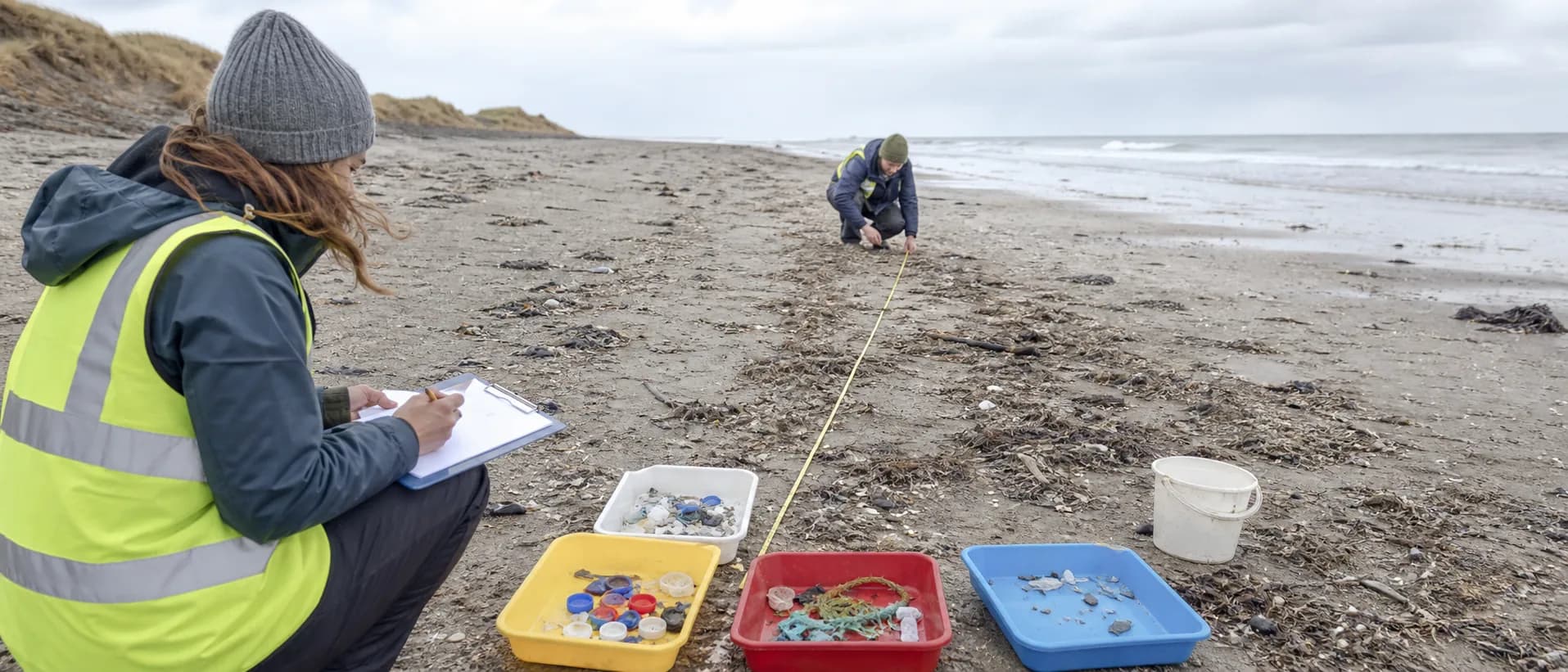
Fishing line is light, strong and easy to overlook until it wraps around a bird, turtle, fish or a person's hand. A shoreline or lake cleanup can collect it, but the material should be handled as an entanglement hazard rather than ordinary plastic film. Hooks, swivels, leaders and line under tension need extra caution.
Make the line safe before bagging
Wear puncture-resistant gloves and use grabbers or scissors approved by the event leader. Do not pull line that is attached to a live animal, an occupied nest, a dock, a buoy or submerged vegetation. Call the manager or wildlife responder. Never drag a long line through a reed bed just to remove one visible section.
Wrap loose line tightly around a spool, card or bottle only if the project provides that method, then secure the end so it cannot unwind. Put hooks and sharp terminal tackle in a rigid container. Keep line out of pockets, vehicle upholstery and the inside of a soft trash bag.
Confirm the destination
A labeled monofilament bin may accept only a specified type of clean, dry line. It may not accept braided line, hooks, lures, bait, rope or heavily contaminated material. Read the sign and call the program when in doubt. If no recycling route exists, use the disposal method named by the land manager rather than placing line in an unlabeled public bin.
Keep a small personal return container on fishing trips. Store damaged line until you reach a confirmed collection point. Do not cut line into short pieces and scatter it; fragments remain an entanglement risk and are harder to recover.
Record prevention opportunities
Note whether line came from a bank, dock, boat launch, trail, storm drain or overflowing container. An honest report can suggest a spool dispenser, a bin, a sign or a safer cutting station. Do not publish anglers' names, boat registrations or private gear details.
Map a fishing-line hotspot with the access point and hazard note. If a manager approves collection, publish the cleanup with a rigid-container and wildlife stop rule. Add close-up documentation only after hooks and personal details are excluded.
At the end, inspect the staging area and vehicle floor for loose line. A successful collection is not just a lighter shoreline; it is a secure handoff that keeps strong plastic and sharp tackle from returning to the water.
Sources & further reading
- Fishing line recycling — National Oceanic and Atmospheric Administration
- Marine debris program — National Oceanic and Atmospheric Administration
Access, prices and opening times change. Verify locally before you travel.
Tags
- fishing line
- entanglement
- plastic pollution
- waterways
Elsewhere on the web
Links to reference material and organisations we don't control.
- ReferencePlastic pollutionWikipedia
- OfficialPlastics in Europe — briefings and dataEuropean Environment Agency
- OrganisationPlastic Pollution CoalitionPlastic Pollution Coalition
- VideoUN Environment Programme on YouTubeYouTube