Cigarette butt cleanups: count filters as plastic and plan the handoff
Collect cigarette filters safely, count them in a repeatable way, keep them out of compost and recycling, and use the result to place better disposal options.
Recently verified — 24 August 2026
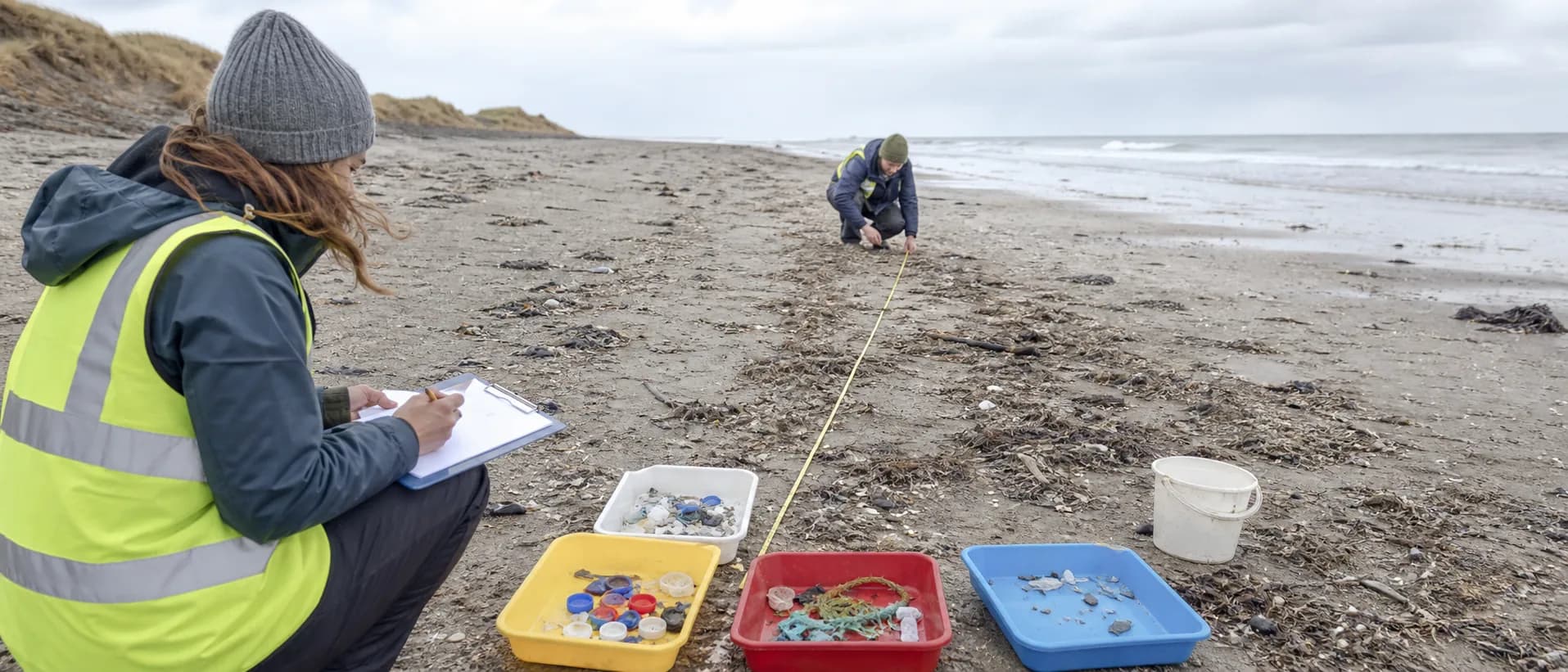
Cigarette filters are easy to miss and easy to misclassify. NOAA describes them as cellulose acetate, a plastic-like material that can persist in water, on beaches and in urban spaces. They are marine debris once they are discarded or abandoned in the environment, even if the original cigarette was used on land.
The useful response has two parts. Remove the filters without creating a handling problem, then use a consistent count to decide where prevention is needed. A clean beach photograph without a butt count tells only half the story.
Collect them as a separate litter category
Use gloves and a litter picker or other event-approved tool. Do not pick up a lit, hot or smoking cigarette. Tell the team lead and keep people away until the immediate fire risk is controlled. Do not search with bare hands in sand, leaf litter, rock cracks or long grass where sharps may also be hidden.
Keep collected filters in a closed, leak-resistant container that the land manager or waste receiver approves. Do not put them in a compost bag, a food-scrap container or a plastic-recycling stream. Do not rinse them into a drain, stream or sea. Ask the local waste service whether they require ordinary residual waste or a separate cigarette-litter route.
Count without inventing a trend
Choose a boundary, a time window and a rule before collection starts. For example, count every visible filter inside a marked 50-metre shoreline section during a 30-minute search. Use the same boundary and method on the next visit. Record the number of volunteers, search time, weather, tide or recent event, and whether bins or ash receptacles were present.
Do not compare one hand search with a machine sweep or a full-day event. Do not turn one beach's count into a rate for an entire coast. The data is useful because the method is stated, not because the number sounds large.
| Field | Example |
|---|---|
| Boundary | Between the access path and the marked dune post |
| Effort | Four people, 30 minutes, one pass |
| Count | Filters separate from packets and lighters |
| Conditions | Dry sand, low tide, two full bins nearby |
| Handoff | Residual-waste receiver, date and confirmation |
Ocean Conservancy describes its cleanup programme as both a removal effort and a way to record the items found. A local count can follow the same logic without pretending to be a national survey. Keep the category definitions with the result.
Turn a count into prevention
Look for a place-specific pattern. A cluster near a bench, smoking area, beach entrance, bus stop or drain needs a different response from filters spread along a storm line. Ask the site manager about a serviced receptacle, a clear no-litter message, a better bin location or a pocket-ashtray campaign. Check the result with a repeat visit.
Do not confront smokers or publish identifiable images. The aim is to change the disposal choice, not to turn a cleanup into a dispute. A clean container that is never emptied is not a solution, so include servicing in the request.
For a beach or river site, publish the cleanup method and confirmed waste handoff. Use the location record to note the hotspot, access and prevention change. A hundred small filters may point to one missing receptacle, which is a more useful finding than another generic sign.
Sources & further reading
- Cigarette Butts and Cigar Tips: Flicked but not Forgotten — NOAA Marine Debris Program
- What is Marine Debris? — NOAA Marine Debris Program
- Cleanups & ICC — Ocean Conservancy
Access, prices and opening times change. Verify locally before you travel.
Tags
- cigarette filters
- plastic pollution
- beach cleanups
- litter prevention
Elsewhere on the web
Links to reference material and organisations we don't control.
- ReferencePlastic pollutionWikipedia
- OfficialPlastics in Europe — briefings and dataEuropean Environment Agency
- OrganisationPlastic Pollution CoalitionPlastic Pollution Coalition
- VideoUN Environment Programme on YouTubeYouTube