Your first geocache: choosing, finding and logging it
Pick an easy first geocache, know what to bring, search without damaging the site, sign the logbook and post the right online log: Found it, DNF or a note.
Sources checked - 8 October 2026
In this article
Geocaching is a worldwide treasure hunt played with coordinates. Someone hides a waterproof container with a logbook inside, publishes its location, and anyone with the app can go and look for it. The game began on 3 May 2000, the day after the US government switched off the deliberate degradation of civilian GPS signals: Dave Ulmer hid a container with a logbook and a few prizes in woods near Beavercreek, Oregon, to test the newly accurate receivers, and the word "geocaching" was coined on a GPS mailing list before the month was out (history of geocaching).
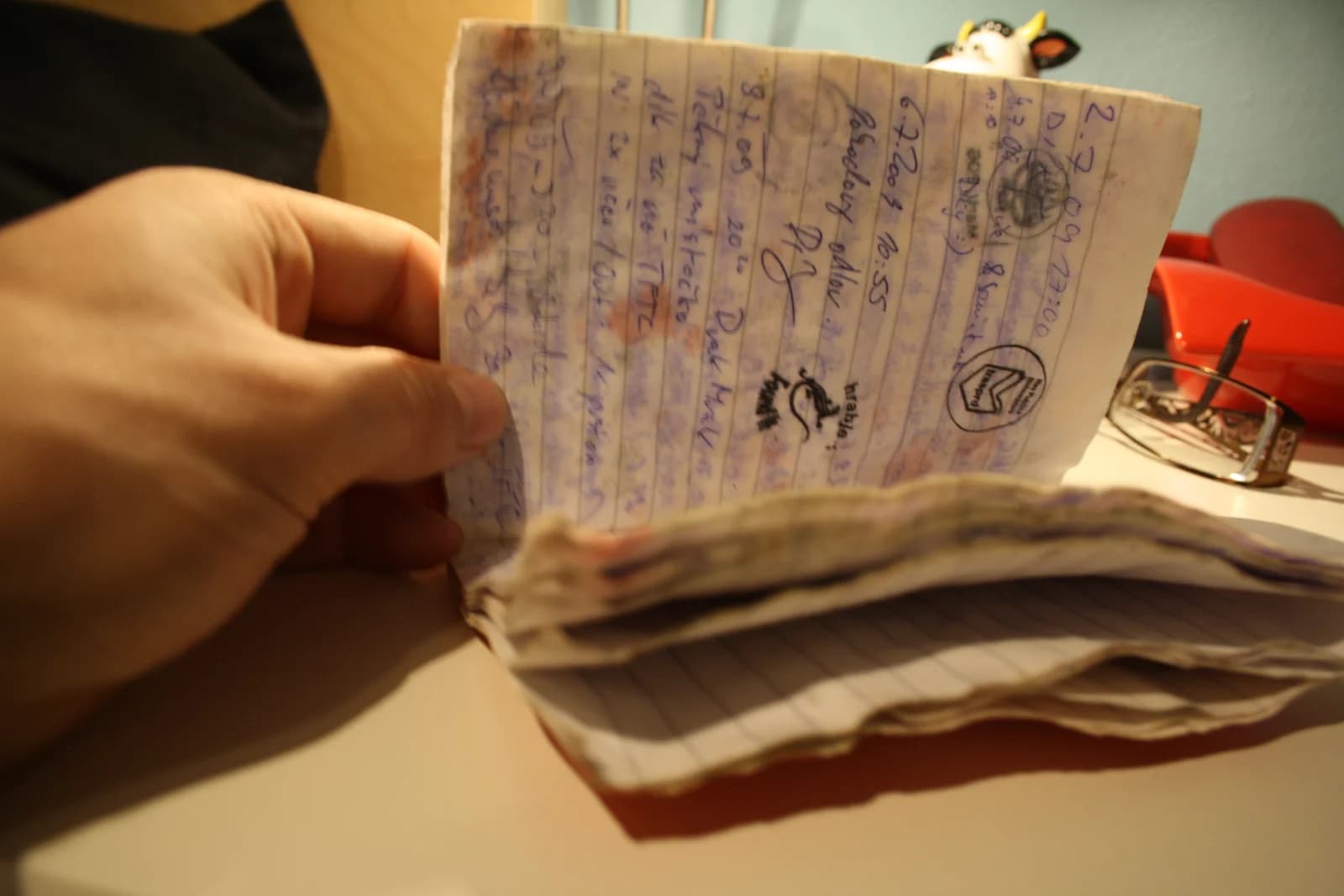
A first find has two halves: signing the paper log in the container, and recording the result online (Geocaching 101). Get both right and you are a geocacher.
Get set up
You need a free Geocaching account and the official app. A Basic membership shows "basic" geocaches in the app; advanced and Premium-only caches need a paid subscription, currently 39.99 US dollars a year (membership comparison). Basic is plenty for a first find.
Geocaching HQ suggests a small kit (what to carry):
- A pen. Bring your own; the signature is what makes the find count.
- Tweezers, for the tightly rolled paper logs in tiny containers.
- A bag for litter, in the spirit of Cache In Trash Out, geocaching's clean-up tradition.
- Something small to trade, if you want to take an item (more below).
- A power bank, because navigation drains a phone faster than you expect.
Choose an easy first cache
Every cache page shows two ratings from 1 to 5, Difficulty (how hard it is to find or solve) and Terrain (how hard it is to reach), plus a container size. For a first search, Geocaching HQ recommends Difficulty and Terrain both below 2, a size of Regular or larger, and recent successful finds in the logs (first-cache tips).
| Size | What it looks like |
|---|---|
| Micro | A film canister or similar, usually holding only a log sheet |
| Small | Roughly sandwich-box size |
| Regular | About a shoebox, such as an ammo box |
| Large | Bigger still, such as a 5-gallon bucket |
| Other | Unusual containers that fit none of the above |
Size definitions come from Geocaching HQ. Size matters more than beginners think: a micro can sit in plain sight and still be invisible until you know what you are looking for, while a Regular container is hard to miss once you are close.
Stick to a Traditional cache, where the container is at the posted coordinates. Virtual caches and EarthCaches have no container; you visit the place and usually answer questions for the owner (logging help). Before leaving, read the description, the hint, the attributes and the latest few logs. They tell you about access hours, parking and whether people have recently found it. A run of "Didn't find it" logs is a reason to pick another cache for your first attempt.
The search
Phone GPS gets you to the right area, not the exact spot. Once you are close, put the phone away and look for places that would hide a container of the size listed: the base of a tree, a gap in a wall, a hollow under a log. If nothing turns up, reread the hint and the recent logs, which often describe the hide without giving it away.
Geocaching relies on discretion and care. Search without dismantling walls, pulling up plants or forcing anything open, and step back if non-geocachers are watching closely, so the hide is not discovered and taken.
When you find it
Geocaching HQ's sequence is simple (five steps):
- Sign the logbook with your geocaching username and the date. This is the core rule: a physical cache counts as found once you have signed the log. Any extra task a cache owner sets must be optional (logging help).
- Trade if you like. Small items in caches are known as SWAG. If you take one, leave something of equal or greater value.
- Leave trackables moving. Travel Bugs and geocoins carry a code and travel from cache to cache. Unless one says it can be kept, take it only if you will move it on to another cache and log its journey (SWAG and trackables).
- Put it back exactly as you found it, closed and hidden the same way.
- Log it online, from the spot or later from a saved draft.
Post the right online log
| What happened | Online log | What it tells others |
|---|---|---|
| You found the container and signed the log | Found it | A completed find |
| You searched but did not find it | Didn't find it (DNF) | An unsuccessful search, not proof the cache is missing |
| You want to add information without claiming a find | Write note | A comment, for example about access |
| The container is damaged, wet or the log is full | Owner attention requested | The owner should check it; separate from your find |
| Serious problem, such as damage to the site or an owner who no longer responds | Report a problem | Alerts a reviewer, not just the owner |
Log types are explained in Geocaching's logging help. A DNF is useful information, not a failure: several in a row help an owner decide to check the site. In your log, describe your visit without revealing the hiding place, and avoid spoiler photos of the container in its spot. A short thank-you to the owner is part of the culture. Help pages were checked on 8 October 2026.
Sources & further reading
- Geocaching 101 - Geocaching HQ
- The history of geocaching - Geocaching HQ
- Three quick tips for successful geocaching - Geocaching HQ
- Name that geocache: what size is this? - Geocaching HQ
- Five items to keep in your geocaching bag - Geocaching HQ
- The difference between SWAG and trackables - Geocaching HQ
- Follow these five steps when you find a geocache - Geocaching HQ
- Find a cache - logging help - Geocaching HQ
- Geocaching Premium membership comparison - Geocaching HQ
Tags
- geocaching
- logbook
- first find
- outdoor games
- trackables