Avoid spreading invasive plants during trail cleanups
Keep US trail stewardship from moving seeds and pathogens by cleaning footwear, identifying plants carefully and following manager-led protocols.
Recently verified — 3 August 2026
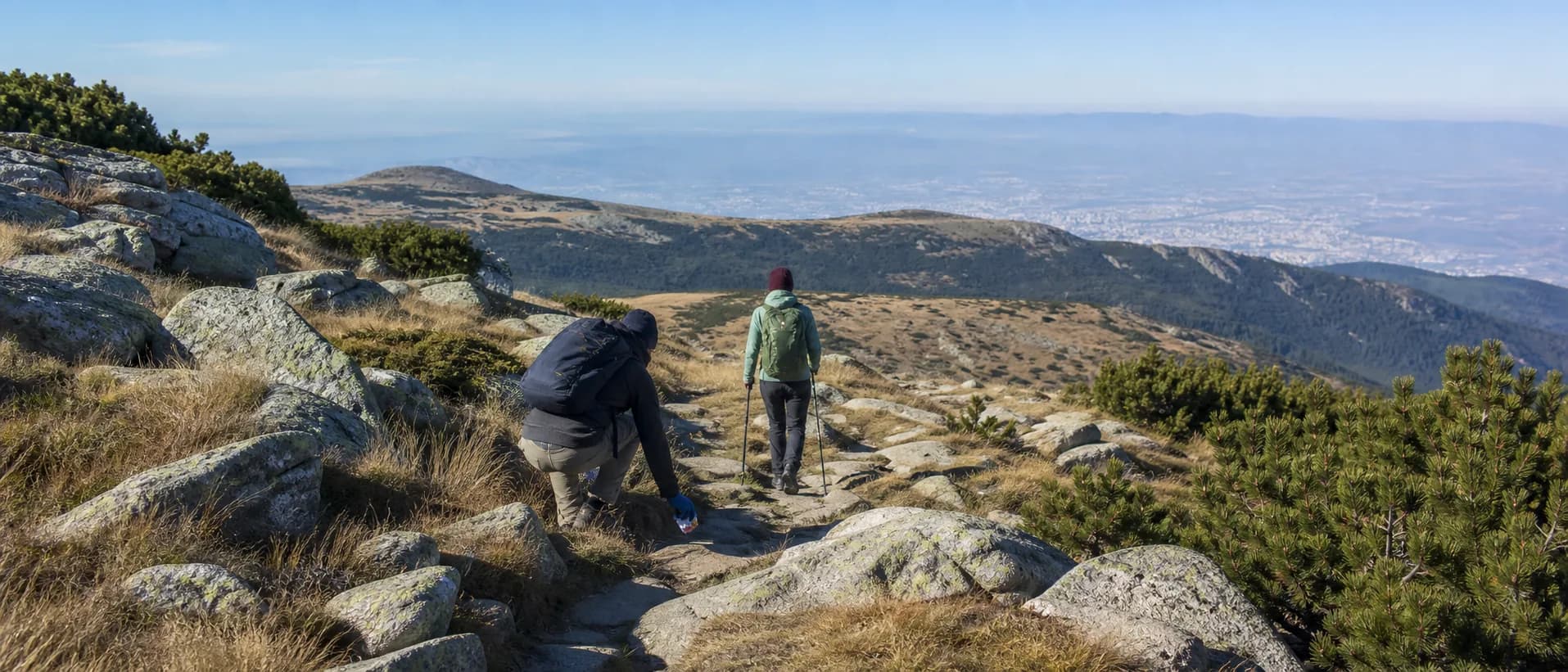
A cleanup can accidentally move seeds, soil organisms and plant fragments from an infested roadside into a healthy trail corridor. Before volunteers pull or cut anything, ask the land manager whether the work is authorized and whether a trained crew must identify the plant. The safest general contribution may be observation and reporting rather than removal.
Do not identify by guesswork
Many native plants resemble invasive species, and a wrong removal can damage a restoration project or a protected habitat. Photograph leaves, stems, flowers and the surrounding area from a legal position. Record the date and approximate boundary. Send the report through the agency's preferred channel and wait for instructions.
Never collect a plant for a public display unless the manager approves it. Do not publish a precise sensitive location when it could encourage digging or harvesting. A community map can carry a broad condition note while the agency receives the exact coordinates privately.
Clean before and after the work
Inspect boots, socks, gaiters, tools, tires, tarps and bags before entering the work zone. Remove visible seeds and soil according to the local protocol, and contain the material so it cannot blow into a new area. Clean equipment at an approved wash site, never at a creek or trailhead drain.
Travel from clean areas to infested areas when the manager recommends a work sequence, not the reverse. Keep vehicles on designated surfaces. Do not drag brush, weeds or soil along a trail. If a plant is already in a bag, label it and use the disposal method provided by the agency; ordinary landfill or compost rules may not apply.
Match the tool to the species and season
Some plants spread by seeds, roots or fragments, while others have sap that irritates skin. Use the protective equipment and timing specified by the land manager. Avoid work during nesting, flowering or wet soil conditions when it would create more impact. Never apply herbicide as a volunteer improvisation.
Map an invasive-plant observation with access and confidence notes, or publish a manager-approved stewardship event once the protocol is confirmed. Use fixed-view photographs to document change without turning a sensitive patch into a destination.
At the end, inspect every tool and participant's footwear again. A clean truck, brush and boot sole are part of the result. The best trail cleanup removes the intended material while leaving no new biological passenger on the route home.
Sources & further reading
- Invasive species — US Forest Service
- PlayCleanGo — PlayCleanGo
Access, prices and opening times change. Verify locally before you travel.
Tags
- invasive plants
- trail stewardship
- boot cleaning
- conservation
Background reading
Links to reference material and organisations we don't control.
- ReferenceProtected areasWikipedia
- ReferenceNatura 2000Wikipedia
- OfficialThe Natura 2000 protected-area networkEuropean Commission
- OrganisationIUCN — protected-area categoriesIUCN