Jigme Dorji: water and altitude for a responsible trek
Plan a conservative Jigme Dorji trek around current permits and guides, gradual altitude gains, reliable water, sacred places, weather changes and pack-out waste.
Recently verified — 18 August 2026
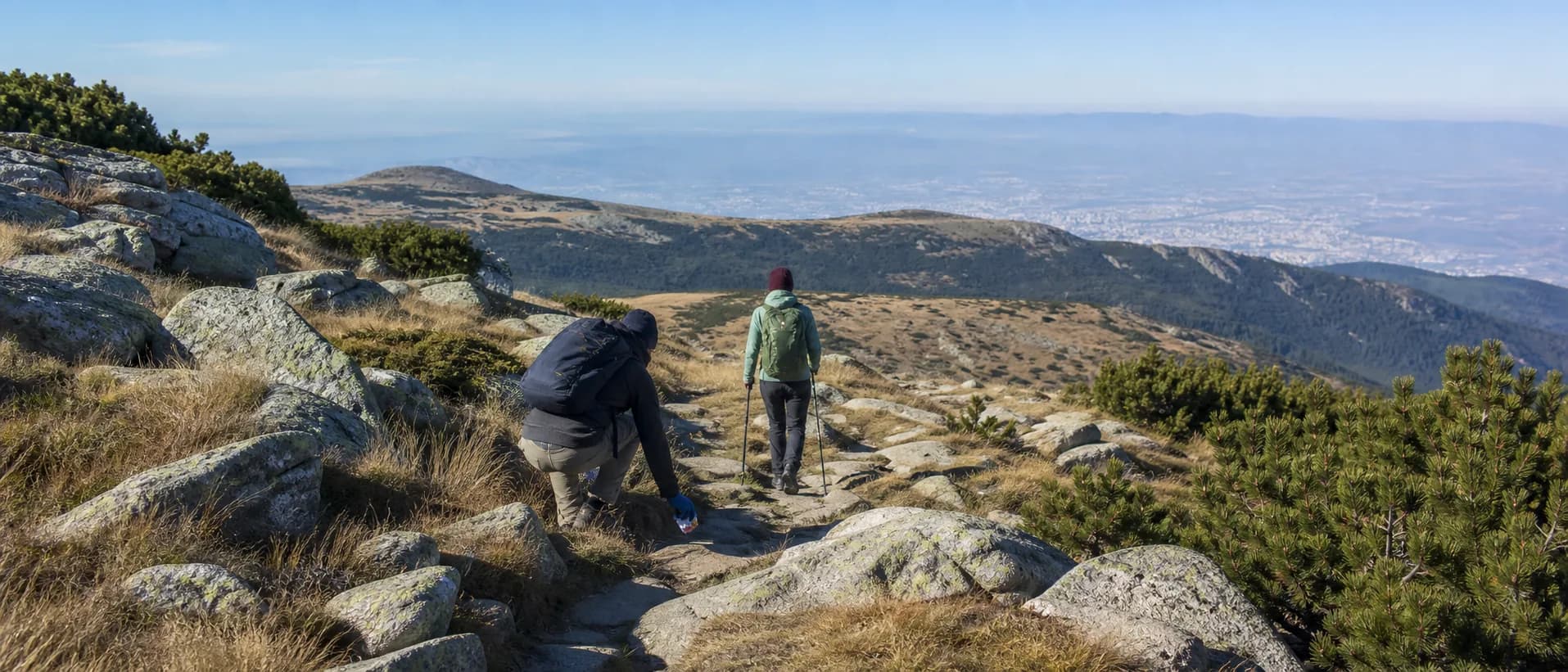
Jigme Dorji is a place where route planning, water planning and cultural respect cannot be separated. A valley may look close on a map while altitude, weather and a slow acclimatisation day change the amount of time and food needed. Start with Bhutan’s current tourism rules and the park service, use the required local arrangements for your itinerary, and let a qualified guide help translate a beautiful plan into a safe one.
Verify the framework before the trailhead
Do not build a Jigme Dorji itinerary only from a route line, a travel blog or a photograph. Confirm the current permit and guide requirements with the responsible Bhutanese authorities or an authorised operator, then check the park service for route notices and seasonal restrictions. Regulations and fees can change; an older PDF or a familiar itinerary is not a guarantee that today’s arrangement is valid.
Give the guide accurate information about the group: previous altitude experience, pace, medical limitations, food needs and the person most likely to need a shorter day. Agree on the emergency communication plan, the next reliable shelter and the point where the group will turn back. A guide is not a reason to ignore symptoms or weather; the guide needs permission from the group to make a conservative call.
Treat altitude as a pace problem
Climb gradually, take rest days when the itinerary allows and walk at the pace of the least acclimatised person. Headache, nausea, unusual tiredness, dizziness, confusion, poor coordination or breathlessness at rest deserve immediate attention. Tell the guide, stop ascending and follow qualified medical or emergency advice. Do not split the group so an unwell person can “catch up” later.
Carry water in refillable bottles or a bladder and include a reserve for delays. A clear stream is not a promise of safe drinking water: ask the guide which source is suitable and treat it according to the current local advice. Keep purification products and fuel secure, and never put untreated waste or soap into a watercourse.
Keep the high ground quiet and intact
Walk on the established route, cross fragile ground only where the trail directs and do not make a shortcut around a muddy or snowy section. High mountain plants recover slowly. Leave stones, flowers, antlers, prayer objects and other natural or cultural items where they are. Do not touch painted walls, prayer flags, mani stones or shrine objects, and ask before photographing people, ceremonies or homes.
Keep voices and music low near villages and sacred places. Follow the guide’s instructions about footwear, headwear, photography and where to wait. A respectful visit may mean putting the camera away for a few minutes. The absence of a sign does not mean that a place has no meaning to the community.
Carry the waste system uphill and down again
Divide food, fuel and waste between the group so no single pack becomes a point of failure. Bring a durable bag for wrappers, used tissues, broken gear and any food that must come back. Do not burn packaging or bury waste. At a camp or hut, use the facility and waste system provided; if it is full or unclear, ask the guide instead of creating a new pile.
Avoid disposable trekking items that are hard to contain in wind. Secure all bags before a pass or exposed ridge, and check the cooking area before leaving. A small bit of plastic can travel a long way in mountain weather and be impossible for the next group to retrieve safely.
Publish a report that does not overpromise
Record the date, route section, sleeping elevation, water points, weather, closure or permit information, pace and turnaround decision. Do not publish a sensitive cultural site, an unofficial camp or a shortcut that crosses fragile habitat. Be precise about what you personally checked and link to the authority for rules that may change.
If you find a small and safe litter issue, add a dated place report in Garbamons. In Jigme Dorji, responsible trekking is not a race to a pass: it is a coordinated decision to arrive with enough water, respect and reserve to return without asking the mountain or its communities to absorb your shortcuts.
Sources & further reading
- Tourism Rules and Regulations 2022 — Department of Tourism, Bhutan
- Department of Forests and Park Services — Royal Government of Bhutan
- Protected areas of Bhutan — Royal Government of Bhutan
Access, prices and opening times change. Verify locally before you travel.
Tags
- Jigme Dorji
- high-altitude trekking
- Bhutan
- water planning
- cultural respect
Background reading
Links to reference material and organisations we don't control.
- OrganisationThe seven Leave No Trace principlesLeave No Trace
- ReferenceProtected areasWikipedia