How to read a material recovery facility report
Interpret inbound tons, residue, capture, contamination and commodity sales without confusing collection volume with material actually recycled.
Recently verified — 2 August 2026
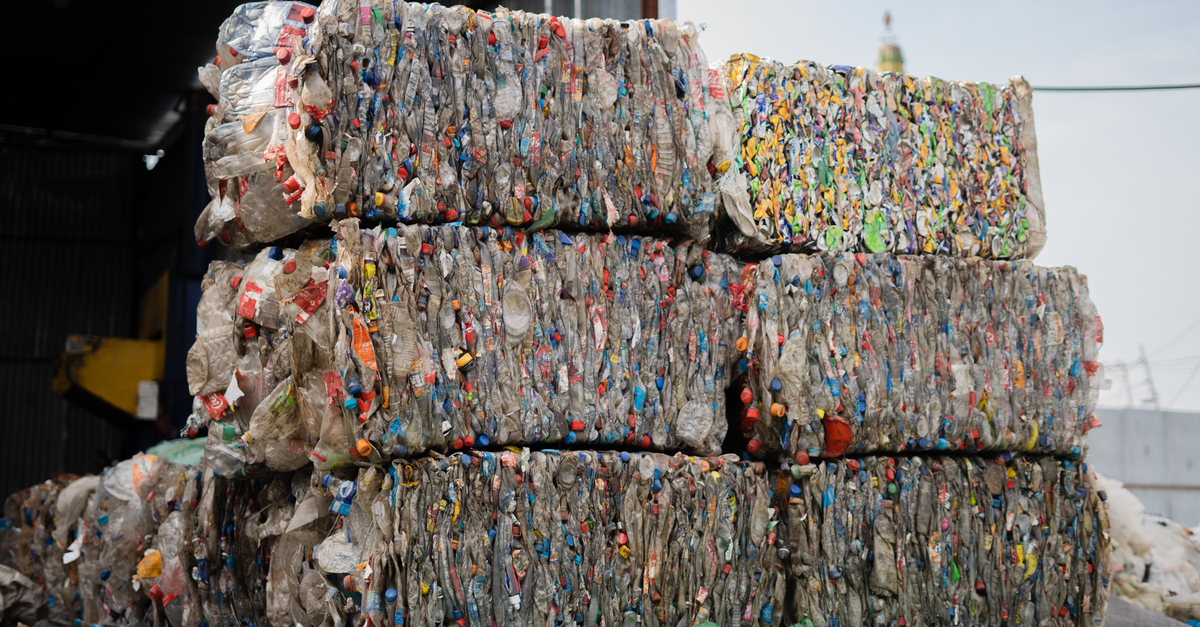
A material recovery facility, commonly called a MRF, sorts collected recyclables into commodity streams. Its report can reveal what entered, what became a saleable bale and what left as residue. Those stages should not be collapsed into one “recycled” number.
EPA's 2026 standardized terms page gives communities a common vocabulary for material categories but still tells residents to confirm what their local curbside or drop-off program accepts. A facility report adds operational evidence; it does not replace the local instruction.
Identify the reporting boundary
First establish whether the document covers one facility, a company network, one municipality's contracted share or an entire region. Record the period and whether numbers are scale weights, estimates or financial allocations.
Look for a process diagram. A typical boundary may include:
- Inbound collection vehicles.
- Pre-sort and screens.
- Mechanical and optical separation.
- Quality control.
- Baling or storage.
- Residue shipped for disposal.
- Commodities shipped to buyers.
Material stockpiled at year-end can make inbound and outbound totals differ even without loss.
Separate four commonly confused measures
Inbound tons
Everything delivered under the facility's reporting boundary, potentially including contamination, bagged material and moisture.
Capture rate
The share of a target material recovered from the amount of that material present in the feed. This requires a composition study, not only scale tickets.
Commodity output
Bales or other sorted material shipped or prepared for a market. Confirm whether the report uses produced, sold or shipped tons.
Residue rate
Material leaving for disposal, often expressed against inbound tons. Residue can contain non-program items, sorting losses, moisture and material too contaminated or small to recover.
Read contamination carefully
“Contamination” may mean non-accepted items, food and liquid, bagged recyclables or a bale failing buyer specifications. Ask whether the rate comes from periodic audits, continuous sampling or residue tonnage. Those are not interchangeable.
Check sample size, season and routes. A characterization week after a holiday may not describe the annual stream.
Watch for moisture and glass
Rain and liquids add inbound weight. Broken glass can become a distinct product, a construction use, a mixed residue or part of facility loss depending on equipment and markets. Read the material-balance notes before calculating a recovery percentage from headline tables.
Review markets without oversimplifying
Commodity revenue can move dramatically while physical tons stay similar. Negative prices or processing fees do not automatically mean a stream was landfilled. Conversely, a named buyer does not prove final manufacturing without chain-of-custody data.
Report the level the document supports: sorted and shipped, accepted by a reprocessor, or verified end use.
Turn the report into resident guidance
Compare the facility's actual problem items with the municipality's current accepted list. Use exact product examples and shape: loose plastic film, rechargeable batteries, hoses, cords, bagged recyclables and food-soiled paper may require different routes.
Keep outdoor litter reports separate from facility performance. A cleanup load is wetter and more contaminated than ordinary household collection. For cleanup events, publish sorting instructions tied to the confirmed receiver.
Cite the report reproducibly
Give facility, period, page, unit and metric definition. State any calculation you performed and reconcile inbound, products, residue and inventory change. If the report does not disclose a field, say “not reported” rather than estimating it from a diagram.
A useful MRF article follows material through the plant and stops its claim at the last verified stage.
Ask what the report leaves outside the gate
Collection routes may reject carts before delivery, and transfer stations may remove bulky items upstream. Those losses will not appear in the MRF's inbound composition. Likewise, material sent directly to glass, organics or deposit processors may bypass the facility entirely.
Add an “outside boundary” note for pre-sorting, direct-haul streams and post-facility manufacturing. This prevents readers from treating one plant's residue rate as the community's total recycling performance. When a field is commercially confidential, say so rather than filling it with a market average.
Sources & further reading
- Standardized recycling terms — US Environmental Protection Agency
- Recycling Measurement Guidance — US Environmental Protection Agency
Access, prices and opening times change. Verify locally before you travel.
Tags
- material recovery facility
- MRF
- recycling data
- contamination
Further reading
Links to reference material and organisations we don't control.
- ReferenceRecyclingWikipedia
- ReferenceExtended producer responsibilityWikipedia
- ReferenceZero wasteWikipedia
- OfficialPlastics in Europe — briefings and dataEuropean Environment Agency