Microplastics at the beach — what volunteers can and cannot clean
Why sieving sand is rarely a simple solution, how to avoid habitat damage and where source prevention and professional monitoring fit.
Recently verified — 2 August 2026
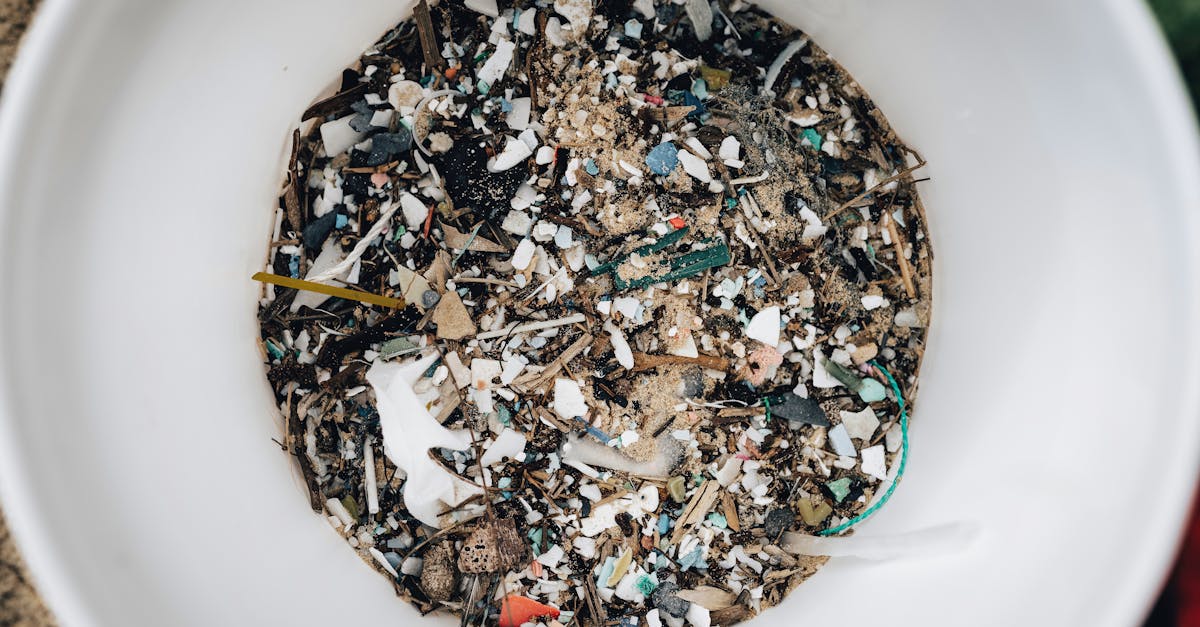
“Microplastic cleanup” sounds like beach cleanup with a finer mesh. In practice, particles smaller than five millimetres overlap with sand grains, shell, seeds, organic matter and the habitat itself. Removing them efficiently without removing the beach is difficult.
The first task is to identify whether the material is a concentrated spill, weathered fragments in a strandline or microscopic particles detectable only through laboratory methods. Those are different incidents.
Do not turn the beach into a quarry
Large-scale dry sieving can remove invertebrates, eggs, wrack and sediment along with plastic. Digging dunes damages stabilising vegetation and can expose nests. Powered equipment may compact sand and spread fragments.
Protected-area and coastal managers should approve any method beyond picking visible surface pieces by hand. During wildlife breeding or turtle nesting periods, even foot traffic and lighting can be unacceptable.
Visual counts are not laboratory concentrations
A volunteer can count visible pellets or fragments inside quadrats with a stated lower size. That record cannot be converted casually into particles per kilogram of sediment or particles per litre of water. Laboratory sampling needs contamination controls, consistent depth, sieving or density-separation methods and polymer identification.
Fibres from clothing and airborne particles can contaminate samples. Publishing a laboratory-sounding concentration from an uncontrolled jar creates false precision.
A low-impact surface method
With manager approval, define small fixed quadrats on the recent strandline. Photograph before disturbance, count only items above the chosen size and collect visible synthetic pieces with tweezers into labelled containers. Stop if organisms, eggs or substantial natural material are being captured.
Record wind, tide, recent storm and sand moisture. Repeat at the same tidal position where feasible. Do not extrapolate a tiny quadrat to an entire national coastline without a sampling design.
Prioritise larger material and sources
Removing bottles, foam, rope and film before they fragment is usually more practical. Investigate recurring sources: spilled plastic feedstock near industry or ports, artificial-turf infill, paint flakes, wastewater pathways, tyre wear or degraded fishing material. Different sources need different policy and engineering responses.
Map a concentrated, actionable accumulation through a Garbamons cleanup report with close and context photographs, while making clear that specialist assessment may be required. Do not invite untrained sieving through a public event.
For ordinary macro-litter prevention, organise a manager-approved beach cleanup with habitat exclusions. Count brittle foam and fragmented plastic separately so the result can inform upstream action.
Be honest about completion
A beach can look clean while microscopic particles remain; visible fragments can reappear with the next tide. “Removed 1,240 visible pellets from four quadrats on 12 July” is a sound result. “Microplastics eliminated from the beach” is not.
Volunteer effort is most effective when it combines careful incident reporting, prevention of further fragmentation and repeatable monitoring. The inability to pick up every particle is not failure. It is evidence that keeping plastic out of the environment is far easier than separating it from nature later.
Sources & further reading
Access, prices and opening times change. Verify locally before you travel.
Tags
- microplastics
- beaches
- cleanup
- monitoring
Further reading
Links to reference material and organisations we don't control.
- ReferencePlastic pollutionWikipedia
- OfficialPlastics in Europe — briefings and dataEuropean Environment Agency
- OrganisationPlastic Pollution CoalitionPlastic Pollution Coalition
- VideoUN Environment Programme on YouTubeYouTube