Movie-location recreation permits and etiquette
Recreate a film frame on US public land by checking access, group size, equipment, commercial activity and current permit rules first.
Recently verified — 2 August 2026
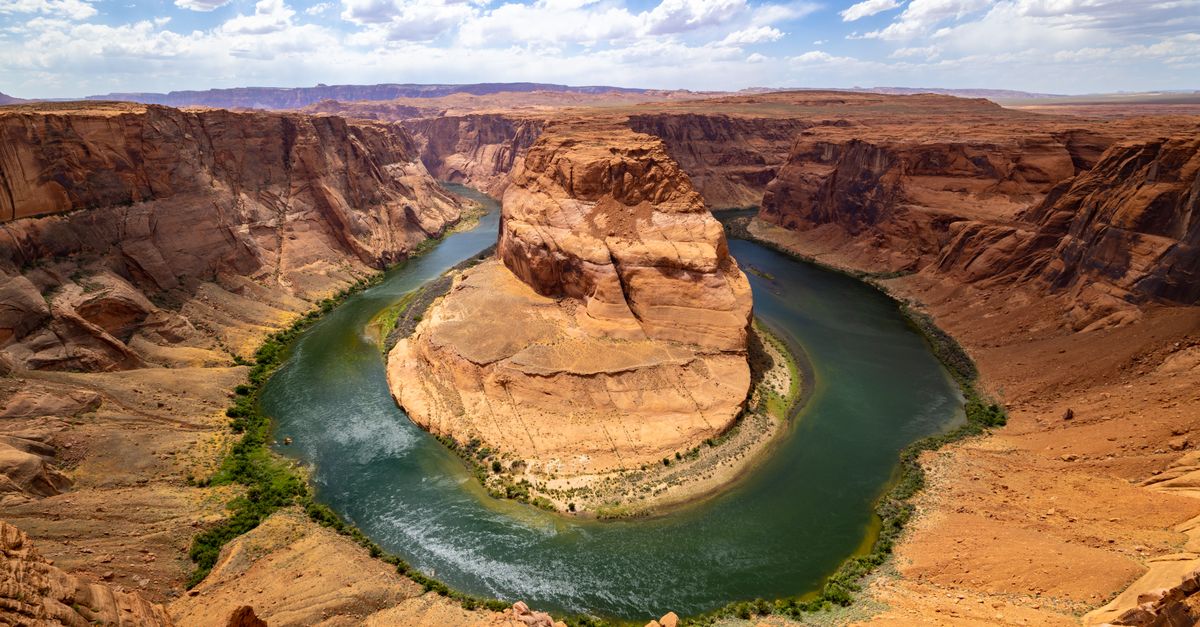
Recreating a film frame can be as simple as one visitor holding a still image at a public overlook. It can also become a production with actors, lights, props, costume changes and blocked access. Permit needs depend on the land manager, current law, activity and impact—not on whether the final clip earns money alone.
Check the current agency page and contact the specific unit before planning. Public-land filming policy has changed through law and litigation, so an undated blog post is a poor authority.
Describe the activity honestly
Send the permit office a concise scope:
- date, time and exact public area;
- people, cast and crew count;
- camera, tripod, lighting, sound and power equipment;
- props, costumes, animals or vehicles;
- whether dialogue, stunts or effects occur;
- time at each position;
- need for exclusive use or traffic control;
- commercial, sponsored or client relationship;
- publication platform;
- restoration or cleanup plan.
Do not split a group or call crew “friends” to avoid review.
Verify the location without trespassing
Use production records, official tourism information, historical maps and frame geometry. Fan databases can be leads, not permission. Contact private owners in advance and accept no.
Never enter abandoned buildings, active roads, rail corridors, dunes, archaeological sites or closed habitat. Do not publish a private address as a public attraction.
Keep equipment within ordinary visitor flow
Tripods, reflectors and costume bags can block trails and accessible routes. Choose a durable position, small footprint and low-use time. Never attach equipment to structures or plants, move rocks, cut vegetation, use smoke, launch a drone or operate a generator without explicit authorization.
Use battery lights conservatively around wildlife and other visitors. Keep dialogue and music low.
Treat props as material that must leave
Inventory every item before and after: paper, tape, fake snow, confetti, food, costume pieces, fasteners and makeup supplies. Do not use glitter or scatter material. Weapons or realistic replicas create legal and public-safety issues and require direct manager guidance; the simplest plan omits them.
Never paint, chalk or mark alignment points. Match the camera through notes and removable equipment kept under control.
Handle people and copyrighted frames carefully
Avoid recognizable bystanders or obtain appropriate releases. A frame from a movie remains copyrighted; linking to an official source or using a limited reference may be safer than republishing a high-resolution still. This guide is not legal advice—review the intended use.
Publish a responsible recreation
Add the scene recreation with a mapped lawful viewpoint, production title, observation date and disclosure where the original camera position is inaccessible. Do not expose private or sensitive coordinates.
Use a behind-the-scenes gallery to show the small footprint and cleanup. If the public viewpoint has current access issues, add a dated condition report linked to the manager.
Leave the location out of the production burden
Pack out every prop and ordinary litter. If historic production debris or larger dumping is present, report it to the manager; map cleanup needs only when public coordinates are appropriate.
A convincing recreation comes from research, framing and performance. It should not depend on borrowing the original production's authority or leaving the site to absorb a new one.
Credit the place beyond the screen title
Use the current public-land, community or Indigenous place name alongside the production reference. A film may rename a landscape or imply another state. Explain that difference without presenting the fictional name as navigation.
Where a local archive, tribe or historic site supplies research, follow its preferred credit and restrictions. Avoid costumes or reenactments that trivialize burial, conflict or sacred places. The decision to omit a scene can be part of responsible location research, and the article should say why.
Sources & further reading
- Filming and photography permits — National Park Service
- Permits and reservations — Bureau of Land Management
Access, prices and opening times change. Verify locally before you travel.
Tags
- movie locations
- photography permits
- public lands
- scene recreation
Background reading
Links to reference material and organisations we don't control.
- ReferenceLocation shootingWikipedia
- VideoNational Geographic on YouTubeYouTube