Responsible night-sky photography in the United States
Protect dark skies, wildlife and fellow visitors by managing lights, access, noise, waste and location sharing during US night photography.
Recently verified — 3 August 2026
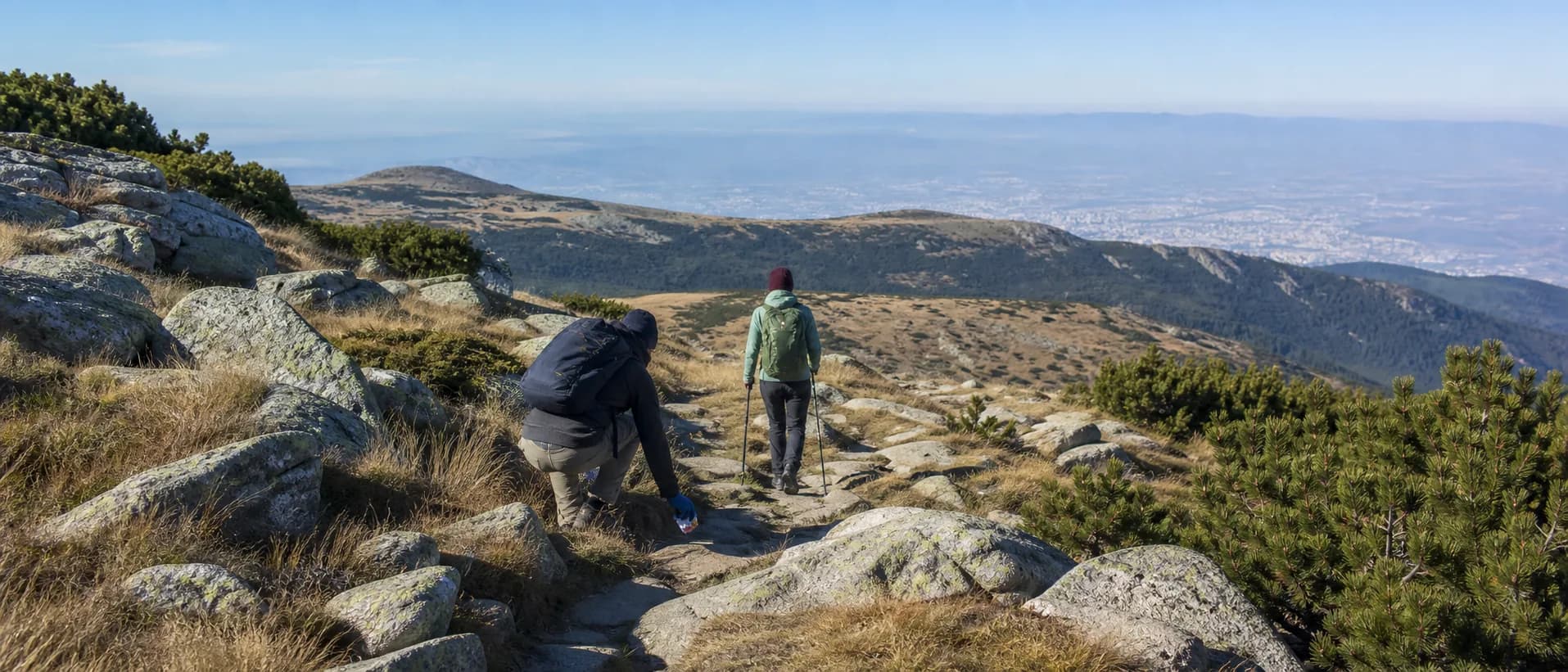
Night-sky photography can encourage people to appreciate dark places, but a crowded overlook full of headlights and footprints can erase the quality it came to record. Plan around the land manager's hours, access, wildlife and parking rules, then keep the equipment footprint small and the light low.
Check whether night access is legal
Read the park, forest, monument or observatory page for gates, permits, overnight parking, road conditions and seasonal closures. Do not climb a closed barrier or walk onto an unmarked cliff in darkness. Arrive in daylight when possible and identify the route back before setting up.
Use a durable surface and keep tripods away from vegetation, cryptobiotic soil, nests and cultural sites. Do not create a new viewpoint because the horizon looks better there. Wind can carry small equipment and packaging, so secure it without tying anything to living plants.
Control light and noise
Use the dimmest red or shielded light that lets you move safely. Cover screens, turn off vehicle lights quickly and avoid shining a beam at wildlife, nearby tents or another photographer's camera. Ask before placing a light near people. Keep voices low and do not use music or playback.
Never point a laser into the sky or toward aircraft. Follow the manager's fire and generator rules. A dark sky is not a reason to ignore an emergency beacon, road hazard or the need to leave early.
Share the place carefully
Record the date, cloud, moon, access and light conditions. Do not publish an informal pullout, wildlife roost or fragile camp as a night destination. Use official entrances and approximate locations. Avoid photographing people, license plates or private homes in long exposures.
Add a dated night-sky viewpoint report with access and closure facts. Publish a low-impact night gallery, and map a cleanup need only after sunrise from a safe public approach.
Before leaving, use a headlamp to inspect the ground for dropped caps, batteries, tape and food. The best dark-sky visit leaves no new glow, noise, track or waste behind it.
Sources & further reading
- Dark night skies — National Park Service
- Leave No Trace Seven Principles — National Park Service
Access, prices and opening times change. Verify locally before you travel.
Tags
- dark skies
- astrophotography
- night travel
- light pollution
Background reading
Links to reference material and organisations we don't control.
- ReferenceAstrophotographyWikipedia
- ReferenceThe dark-sky movementWikipedia
- ReferenceThe Milky WayWikipedia
- OrganisationDarkSky InternationalDarkSky International