Picnic-area litter prevention audit
Map food packaging, overflowing bins and wildlife attractants by zone, then test practical prevention at parks and roadside picnic sites.
Recently verified — 2 August 2026
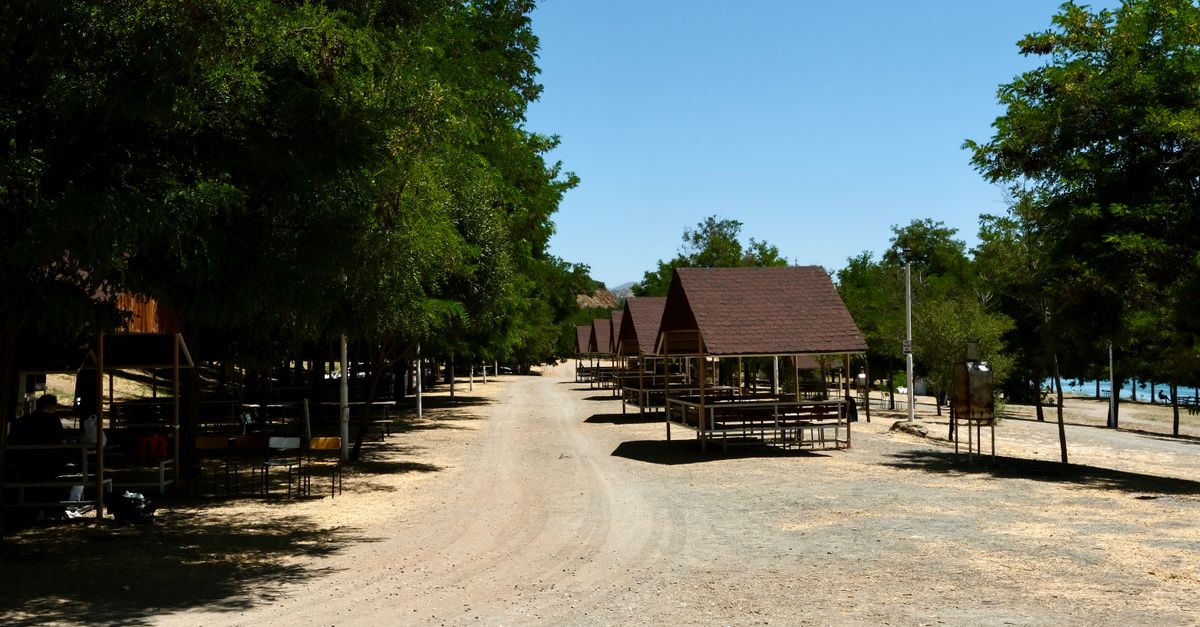
Picnic litter is often discussed as visitor behavior alone, but the site design matters. An uncovered bin can release wrappers in wind. A receptacle placed only at the parking lot may be invisible from tables. Food scraps under grills attract wildlife even when packaging reaches the trash.
A zone-based audit helps a park test the system without assuming the cause in advance.
Ask the operator how the site works
Contact the park, highway rest-area operator, forest district or municipality. Confirm collection days, bin types, seasonal closure, wildlife-resistant requirements, recycling outlets and whether volunteers may collect around grills or vegetation.
Obtain disposal approval before the audit if items will be removed. Never compact a bin by hand or climb into a receptacle to count material.
Create a fixed zone map
Useful zones include:
- Parking and vehicle edges.
- Tables and shelters.
- Grills and fire rings.
- Playground or lawn.
- Shoreline or creek edge.
- Bin and dumpster perimeter.
- First section of connecting trail.
Photograph from fixed public points. Repeat the same route, team size and search time after comparable use periods.
Count the condition as well as the items
Record whether each bin was empty, partly full, full, overflowing, damaged or missing. Note lid position, animal access, wind, event use and the time since scheduled service if the operator provides it.
Separate food scraps, packaging, drink containers, cigarette filters, charcoal or ash waste, pet waste and bulky material. Do not handle hot ashes, propane cylinders, batteries, sharps or unknown liquids.
Keep wildlife out of the audit process
Do not bait photographs or leave collected food unattended. Secure bags in wildlife-resistant storage required by the site. Never feed animals or move closer to document scavenging. Report aggressive or food-conditioned wildlife to staff.
Natural leaves, cones and fallen branches belong in the landscape unless maintenance staff say otherwise.
Test one change at a time
Moving a bin, changing the opening and adding a sign simultaneously makes it hard to know what helped. Choose a small change the operator can sustain, then repeat the audit at the same interval. Include rain, holiday and event differences in the notes.
Do not publish a percentage reduction from tiny counts without raw numbers and effort. “Wrappers fell from 18 to 7 in the same four zones during two comparable Sunday-evening checks” is more transparent than “litter decreased 61%” alone.
Connect the place to Garbamons
Add a dated picnic-area condition report covering tables, shade, water, toilets, crowding and bin status. If illegal dumping or repeated overflow exceeds a one-bag pickup, map the cleanup need with safe vehicle access.
For a manager-approved workday, publish the picnic cleanup and confirmed collection time. Store fixed-view images in a dated prevention gallery.
The goal is a picnic system that makes the correct action obvious, possible and reliably serviced—not a sign that asks visitors to solve an operational gap.
Include maintenance staff in the interpretation
Share the zone map with the people who empty bins and clean tables. They can explain pickup timing, animal damage and event patterns invisible during one audit. Record that input as operational context, not as a substitute for counts.
Ask which changes are maintainable through winter, holidays and staffing gaps. A specialized lid that cannot be serviced or an extra sorting stream with no collection contract may fail quickly. The best test fits normal rounds and gives staff a simple way to report overflow or damage.
Sources & further reading
- Leave No Trace seven principles — Leave No Trace
- Trash Free Waters — US Environmental Protection Agency
Access, prices and opening times change. Verify locally before you travel.
Tags
- picnic areas
- litter audit
- wildlife
- waste bins
Background reading
Links to reference material and organisations we don't control.
- ReferencePicnicWikipedia
- OrganisationThe seven Leave No Trace principlesLeave No Trace