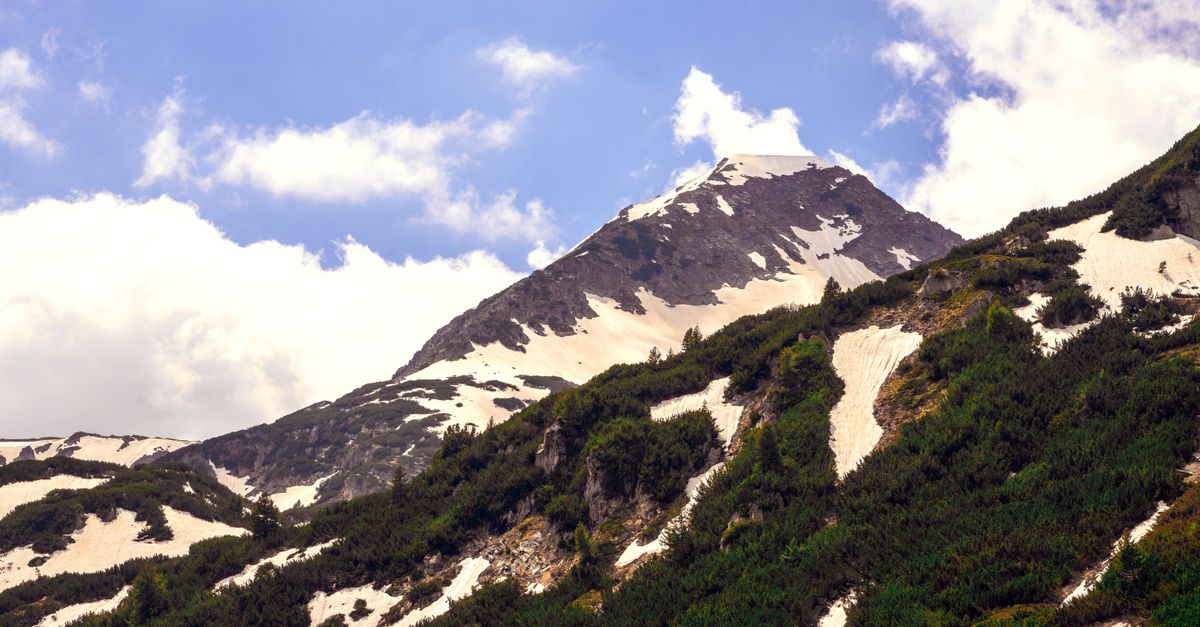
Pirin's glacial lakes concentrate visitors into the same small basins where soils are thin, plants grow slowly and water has little capacity to absorb contamination. The stewardship rules are straightforward: use marked paths, keep camps and washing away, carry waste out, and publish access information without encouraging new shortcuts.
The shore is not spare space
Repeated sitting, tents and photography at the waterline remove vegetation and compact soil. Once a bare patch appears, it attracts more use and expands. Choose durable rock or established rest areas, keep groups together, and leave the immediate shore open.
Do not introduce food to fish or wildlife. Feeding changes behaviour and leaves packaging and organic waste in a protected system.
Camping and fire
National-park rules and management zones control overnight use. Check Pirin National Park's current guidance and use lawful designated locations or huts. An existing fire ring or tent-sized patch is evidence of past impact, not proof of permission.
Photographs can change pressure
Geotagging a little-used shoreline can redirect many visitors to an unprepared route. Share mapped places that have legitimate public access and established paths. For sensitive sites, use an approximate area and explain the protection need instead of providing a shortcut trace.
On Garbamons' lake and trail entries, describe marked access, season, observed conditions and park rules. Keep an observation dated. A photograph without context can suggest safe access when snow, erosion or closure says otherwise.
Litter response inside the park
Carry small safe litter out. Do not dig, rake natural material or move unidentified waste. For a substantial problem, photograph the location and inform the park directorate. A public cleanup location pin can support coordination, but protected-area work should proceed with the manager and a confirmed disposal route.
Record whether the waste is at a road-accessible trailhead or deep in the basin. That difference determines tools, volunteer numbers and how removal affects the trail.
Make every report a freshness signal
Useful notes include the visit date, snow or mud, path braiding, damaged signs, shoreline pressure and facility status. Avoid claiming a lake is “empty” or “pristine” based on one hour. Your contribution is a dated slice of evidence that the next walker can combine with official information.
Explore Pirin lakes responsiblySources & further reading
- Pirin National Park — Pirin National Park Directorate
- Pirin National Park — UNESCO World Heritage Centre
Access, prices and opening times change. Verify locally before you travel.
Tags
- Pirin lakes
- conservation
- alpine habitat
- responsible hiking
Further reading
Links to reference material and organisations we don't control.
- ReferenceProtected areasWikipedia
- ReferenceNatura 2000Wikipedia
- OfficialThe Natura 2000 protected-area networkEuropean Commission
- OrganisationIUCN — protected-area categoriesIUCN