Geocache on US public land without harming habitat
Check cache permissions, avoid sensitive wildlife and cultural sites, use durable hiding places and report damaged caches responsibly.
Recently verified — 3 August 2026
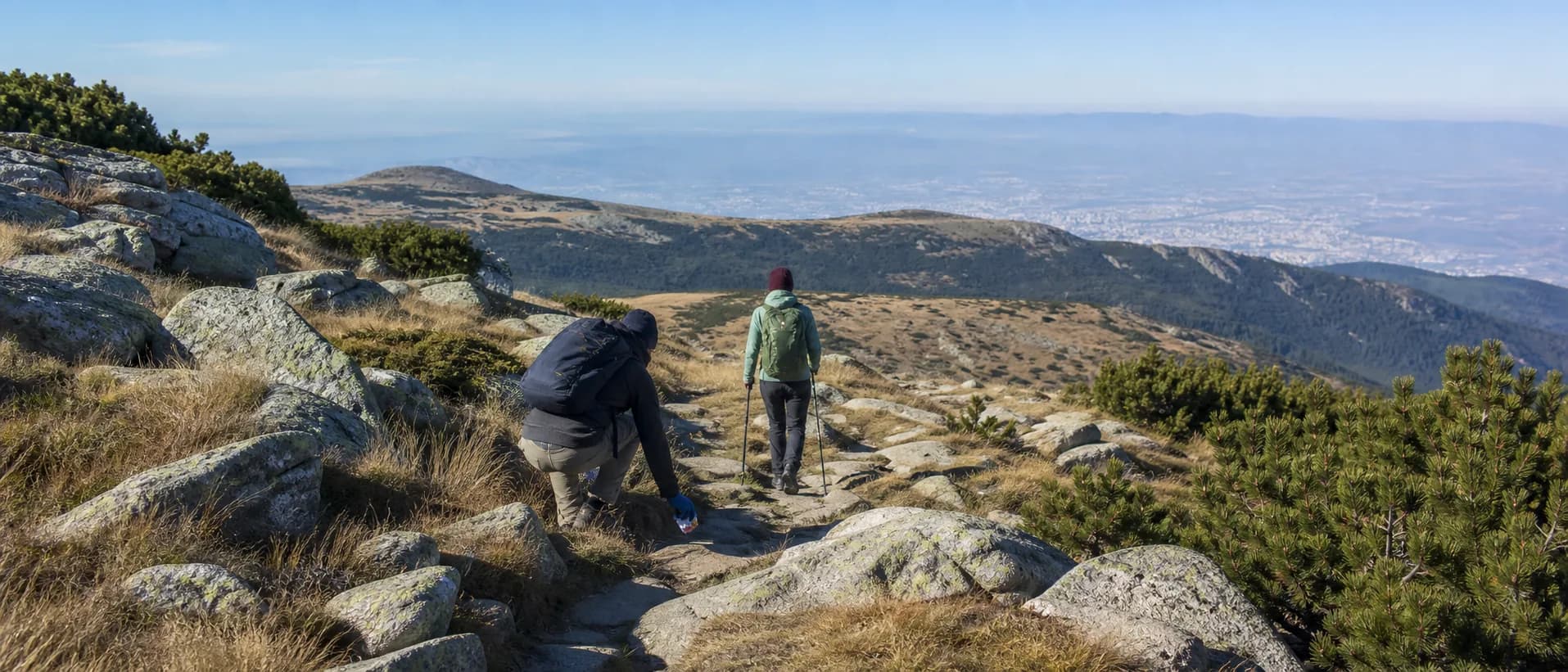
Geocaching can turn a walk into a careful observation exercise, but a hidden container is not harmless just because it is small. Public-land managers may require permission, prohibit caches in sensitive areas or set rules for placement, maintenance and retrieval. Check the land unit and the current geocaching policy before hiding or seeking anything.
Choose a durable location
Keep the route on an established trail and use a placement that does not require digging, rock stacking, cutting vegetation or crossing a closure. Avoid nests, dens, cultural sites, archaeological material, caves, springs and restoration plots. Never hide a container in a tree cavity, under a historic structure or where a seeker may damage a barrier.
Follow the manager's distance, container and labeling rules. A waterproof box can still leak plastic, food scent or batteries. Do not use real ammunition, medicines, hazardous objects or food as trade items.
Make the hunt low impact
Travel in small groups and do not announce a fragile location with a dramatic shortcut. If a cache creates a braided path, crowding or repeated trampling, pause the listing and contact the owner or manager. Keep pets under the official rule and leave wildlife alone when a find is near a nest or den.
Pack out damaged log sheets, broken containers and ordinary litter only when safe. Do not open an unknown box or handle needles, chemicals, bones or cultural objects. Photograph the location without publishing sensitive coordinates.
Maintain the cache honestly
Record the placement date, official permission and access conditions. A “premium view” is not a reason to direct visitors to an unstable cliff or private property. Update the listing when a trail closes or habitat protection changes. Remove a cache when the authority asks.
Add a responsible geocache with access notes only after verification. Map a cleanup or damaged-cache report without revealing sensitive habitat, and use a context photo that does not expose the container's exact hiding place.
The best cache adds curiosity without adding a new trail. Keep the object permitted, the route durable and the location quiet enough that the habitat remains the main experience.
Sources & further reading
- Leave No Trace Seven Principles — National Park Service
- Geocaching on public lands — Bureau of Land Management
Access, prices and opening times change. Verify locally before you travel.
Tags
- geocaching
- public lands
- sensitive habitat
- Leave No Trace
Further reading
Links to reference material and organisations we don't control.
- ReferenceGeocachingWikipedia
- OfficialGeocaching.comGeocaching.com
- VideoGeocaching on YouTubeYouTube