How to report viewpoint access and crowding
Document parking, queueing, sunrise access, closures and surface impacts at scenic viewpoints with a precise date and no unsafe workarounds.
Recently verified — 2 August 2026
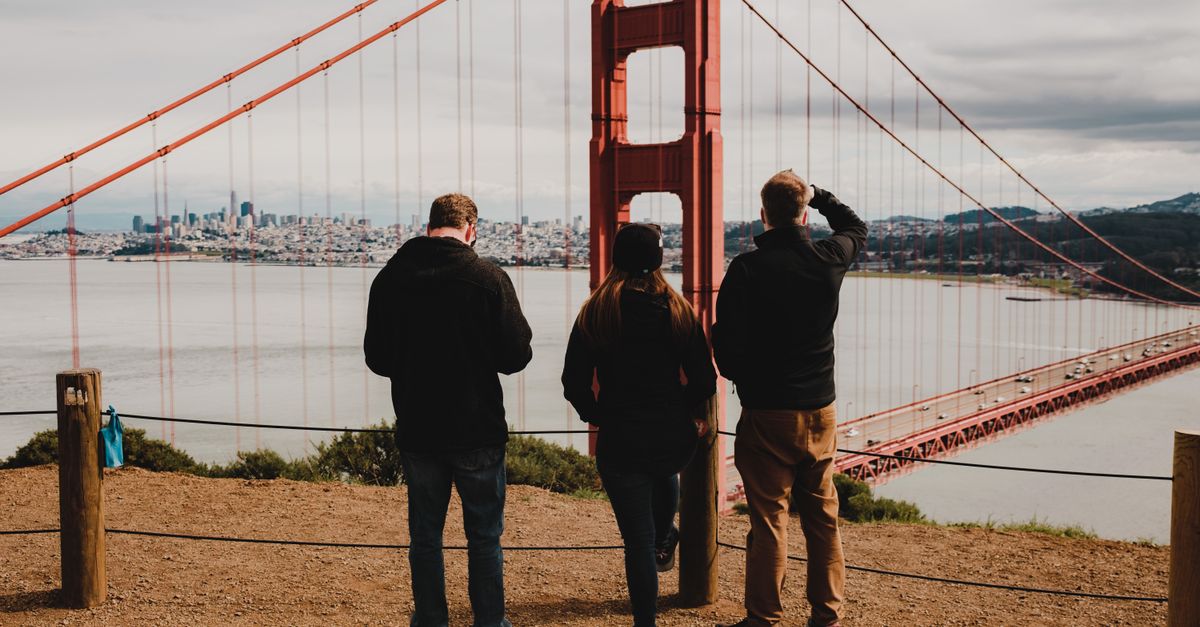
“Crowded” can mean a full parking lot, a ten-person photo queue, unsafe roadside stopping or a viewpoint platform at capacity. A useful condition report describes the observable constraint and time rather than assigning a permanent label.
Visitor-use conditions change by hour, weekday, weather, permit system and season. Link the official manager's access page and keep your report dated.
Record the arrival chain
Start before the view:
- official road and entrance used;
- gate or timed-entry status;
- transit or shuttle operation;
- parking capacity and legal overflow instruction;
- accessible spaces and route condition;
- walk distance and surface;
- platform, railing and closure status.
Do not count cars while driving. Observe from a safe parked position or use official capacity information.
Separate official capacity from your estimate
If the platform sign lists a capacity, quote and photograph it without blocking access. Otherwise say “approximately” and describe the counting method. Avoid using crowd photographs for face recognition; frame wide or blur identifiable people before publishing where appropriate.
Timed-entry and reservation systems can change annually. State the observed rule and link the current official page rather than repeating a booking window from memory.
Document behavior without policing strangers
Record physical effects: people outside the hardened surface, a growing social trail, parked vehicles blocking a shoulder or tripods obstructing an accessible route. Do not confront visitors or publish license plates. Report immediate safety problems to staff.
The Interagency Visitor Use Management framework treats visitor use and desired resource conditions as management questions. One observer can supply evidence but should not claim a carrying-capacity conclusion.
Make sunrise and sunset notes practical
Include civil access hours, gate timing, route lighting, temperature, wind and whether headlights affect the viewing area. Never recommend arriving before a legal opening or parking outside a closed gate.
At night, use low light, keep voices down and avoid sweeping headlamps over other visitors. Follow tripod, flash, drone and commercial photography rules.
Protect the foreground
Do not step into alpine plants, biological soil crust or restoration zones for an unobstructed composition. If the official overlook is crowded, wait, change the frame or leave. A social trail is not alternate access.
Pack out food and all photography accessories. Small lens wipes, hand warmers, tripod feet and cable ties are common easy-to-lose items.
Publish a layered report
Add a dated viewpoint condition report with stable place facts separated from current access. Build a time-of-day photo set from the legal platform, recording the observation time without exposing sensitive wildlife or cultural locations.
If litter is beyond a safe one-bag pickup, map the cleanup location with the official approach. Use fixed-view photographs to compare surface or crowd management over time.
The best report lets a reader decide when and how to visit without suggesting a shortcut that makes the next report worse.
Update crowding after management changes
When a shuttle, timed entry or construction project begins, start a new comparison period. Record the new rules and the same arrival observations rather than claiming immediate success or failure from one day.
Check effects beyond the platform: overflow at a neighboring pullout, queue at a shuttle stop or new roadside walking. Share those observations with the manager without directing readers to the spillover location. Visitor use can move rather than disappear, and the report should not turn an emerging workaround into advice.
Sources & further reading
- Visitor Use Management Framework — Interagency Visitor Use Management Council
- Leave No Trace seven principles — Leave No Trace
Access, prices and opening times change. Verify locally before you travel.
Tags
- viewpoints
- crowding
- visitor conditions
- sunrise photography
Background reading
Links to reference material and organisations we don't control.
- ReferenceScenic viewpointWikipedia
- ReferenceGolden hourWikipedia
- VideoPBS Terra — landscapes and climateYouTube