Wildfire debris and cleanup safety on public land
Separate ash, damaged trees, metal, household debris and ordinary litter after a US wildfire, waiting for agency clearance before volunteer work.
Recently verified — 3 August 2026
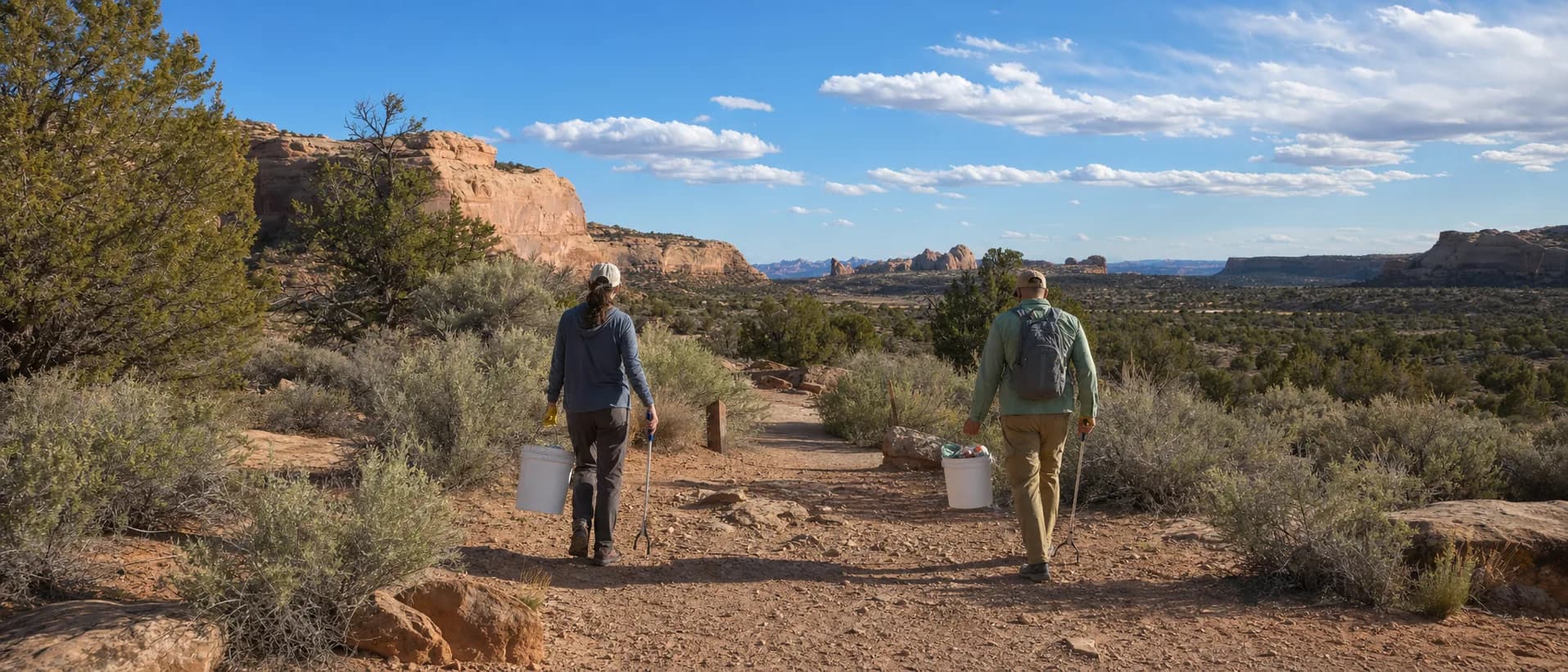
After a wildfire, a site can look quiet while remaining unsafe. Ash may contain hazardous material, trees can fall without warning, soil can erode in the next storm and damaged batteries, cylinders or structures can release contaminants. Volunteer cleanup should begin only after the land manager and emergency authorities define what is open and what work is appropriate.
Check the closure and air
Read the incident page, closure order, smoke forecast and access notice. Do not bypass a gate or enter a burn area for a photograph. Smoke can travel from a fire that is no longer visible, and wind can move fine ash. People with respiratory or other health concerns need the current public-health guidance, not a visual judgment about air quality.
Ask whether post-fire hazards have been assessed by the land manager, utility owner or emergency response team. A trail reopening does not mean every slope or debris pile is safe to disturb.
Keep hazardous debris in the response system
Stop for ash from buildings, melted wiring, batteries, fuel containers, propane cylinders, treated wood, asbestos-suspect material, dead animals and large unstable metal. Do not sweep ash into a stream, place it in a regular bag or transport it in a passenger compartment. Photograph from a safe distance and report the location.
Ordinary litter that was present before the fire may still be collected only where the manager approves. Use grabbers, gloves, eye protection and a small work zone. Never cut a tree, move a log or clear a drainage without instruction; burned material can be habitat and erosion control.
Plan for the next storm
Post-fire ground can shed water quickly. Avoid gullies, loose slopes, stream crossings and areas below standing dead trees. Set bags on stable ground above the expected runoff line and keep vehicles on approved surfaces. Stop for thunder, high wind, poor visibility or changing smoke.
Map a post-fire condition report with the closure status and hazard exclusions. If a manager releases an ordinary-litter zone, publish the cleanup with a weather cutoff and disposal route. Use dated photographs that do not reveal unsafe access shortcuts.
The responsible response may be reporting, waiting or supporting a trained debris team. Removing one safe wrapper is never worth exposing volunteers to ash, unstable trees or contaminated material.
Sources & further reading
- Wildfire smoke and health — US Environmental Protection Agency
- Wildland fire safety — US Forest Service
Access, prices and opening times change. Verify locally before you travel.
Tags
- wildfire recovery
- ash
- public lands
- cleanup safety
Beyond this page
Links to reference material and organisations we don't control.
- ReferenceLitterWikipedia
- ReferenceIllegal dumpingWikipedia
- OrganisationWorld Cleanup DayLet's Do It World