World Cleanup Day 2026: a food-waste-aware cleanup plan
Plan a useful 20 September cleanup around the 2026 From Clean Plates to Clean Cities theme, with food rescue, organics, safety, reporting and a confirmed waste route.
Recently verified — 24 August 2026
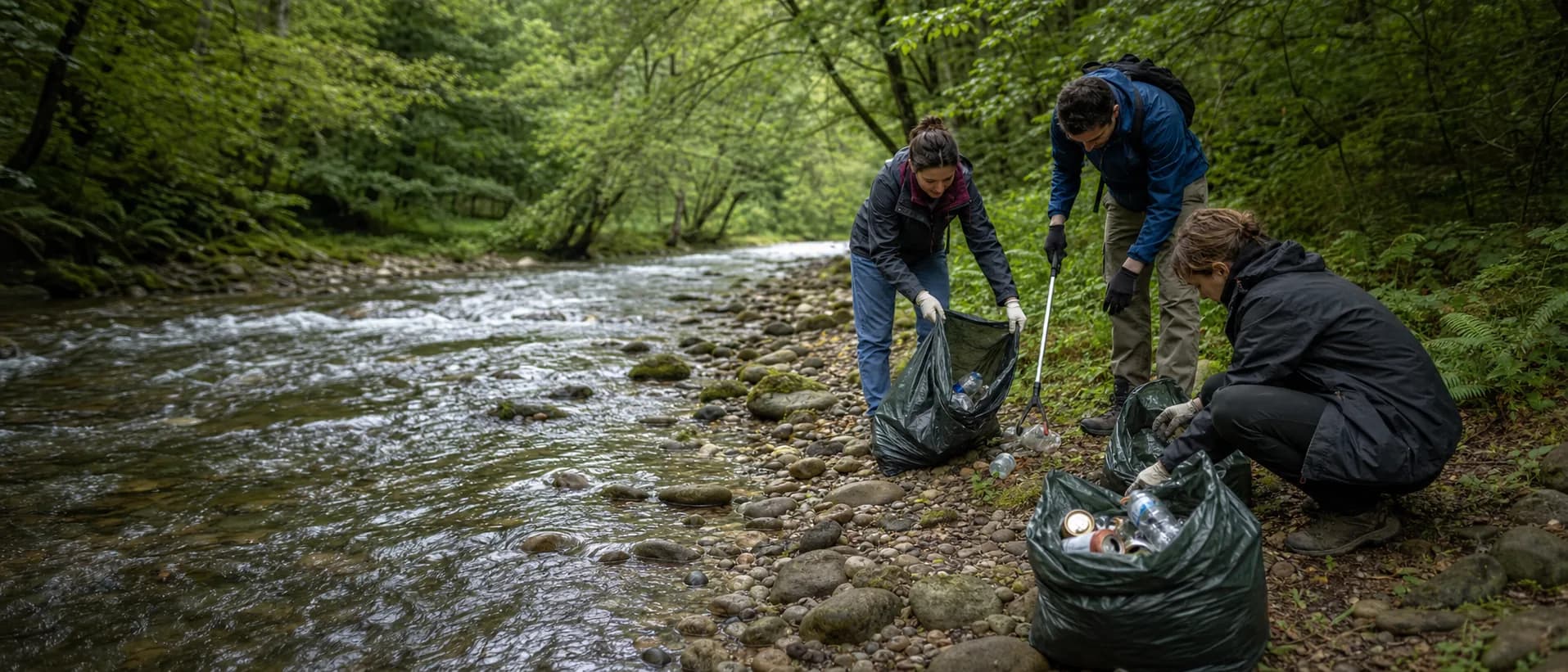
World Cleanup Day is on 20 September 2026. UN-Habitat's 2026 theme is "From Clean Plates to Clean Cities", with a focus on food waste, food recovery, organic waste and more resource-efficient cities. That makes this year's event a good time to plan beyond the photograph of a full rubbish bag.
The official programme page says details will be confirmed. Treat it as the source for the global observance, then confirm the local meeting point, permissions and collection service with the organiser or land manager.
Choose the action before choosing the slogan
A cleanup can include several kinds of work, but the waste routes are different. Write down the main action before you invite people:
- Remove ordinary litter from a defined public area.
- Record litter categories for a repeatable local survey.
- Redirect safe, untouched surplus food through an approved food business or food bank.
- Collect food scraps only when a named organics service has confirmed what it accepts.
Do not put food scraps into a litter bag and call the mixed load compostable. Do not ask volunteers to redistribute opened, warm or uncertain food. A food-rescue partner needs its own food-safety process and acceptance rules.
Confirm the site and the handoff
Before publishing a meeting point, ask the land manager or municipality for the current rules. Confirm the work boundary, public access, vehicle access, toilets, weather cancellation contact and where filled bags may wait. Then ask the waste receiver four plain questions:
- Which materials will you accept?
- In what bags, containers or maximum volume?
- Can you collect on the event date, and what happens if the pickup is late?
- Which materials must stay out of the ordinary load?
Keep bulky waste, glass, batteries, sharps, chemicals and unknown containers out of the volunteer brief unless trained staff and an authorised route are already in place. A site that looks like ordinary litter from a distance may contain material nobody should touch.
Plan the food-waste lane
The US Environmental Protection Agency's food-waste guidance places prevention and safe donation ahead of disposal. For an outdoor event, that means buying or serving only what the organisers can manage, protecting any food offered for donation, and arranging the receiving organisation before the event starts.
For food scraps, get the exact accepted list from the organics collector. Facility rules differ. Some accept fruit and vegetable scraps but reject meat, liquids, compostable serviceware or food-soiled packaging. A bag marked "compostable" is not evidence that the local facility can process it.
Use separate, clearly labelled containers only after the receiver confirms the route. Keep them closed, shaded and away from wildlife. If no organics route exists, follow the local residual-waste instruction and do not improvise a compost pile beside the cleanup site.
Brief people for the work they are actually doing
Tell volunteers that ordinary litter collection is the default task. Use closed-toe footwear, suitable gloves, tools for sharp fragments and a handwashing point. Give every team a stop signal for traffic, rising water, lightning, unstable ground, unknown chemicals, medical waste and animals.
If food recovery is part of the event, keep that team separate from litter collection. Do not use litter gloves, open bags or a public pile for food. The person responsible for the food handoff should know the receiving organisation's contact and rejection procedure.
Report the result without inflating it
Record the area covered, volunteer hours, bag count, material categories, food weight if actually measured, destination and any hazards referred. Say "collected" or "delivered to the named receiver" unless the receiver confirms a later treatment outcome. A separated bag is not automatically a recycled bag.
Publish matched before-and-after photographs only when they do not expose faces, plates, private details or sensitive wildlife locations. Create the event with the confirmed meeting point and disposal plan, then use the event record for the final numbers and remaining work.
The best World Cleanup Day event may collect fewer bags because it prevents a mixed, unmanageable pile. That is a sound result. The point is to leave a site safer and leave the next organiser an honest record.
Sources & further reading
- World Cleanup Day 2026 — UN-Habitat
- World Cleanup Day — United Nations
- Preventing Wasted Food At Home — US Environmental Protection Agency
- Composting Food Scraps in Your Community — US Environmental Protection Agency
Access, prices and opening times change. Verify locally before you travel.
Tags
- World Cleanup Day
- food waste
- cleanup planning
- composting
Further reading
Links to reference material and organisations we don't control.
- OrganisationWorld Cleanup DayLet's Do It World
- OrganisationInternational Coastal CleanupOcean Conservancy
- ReferenceVolunteeringWikipedia