August night photography in Bulgaria: a no-trace field plan
A practical August guide to night photography in Bulgaria: scout access, protect dark adaptation, manage dew and batteries, and leave natural places unchanged.
Recently verified — 12 August 2026
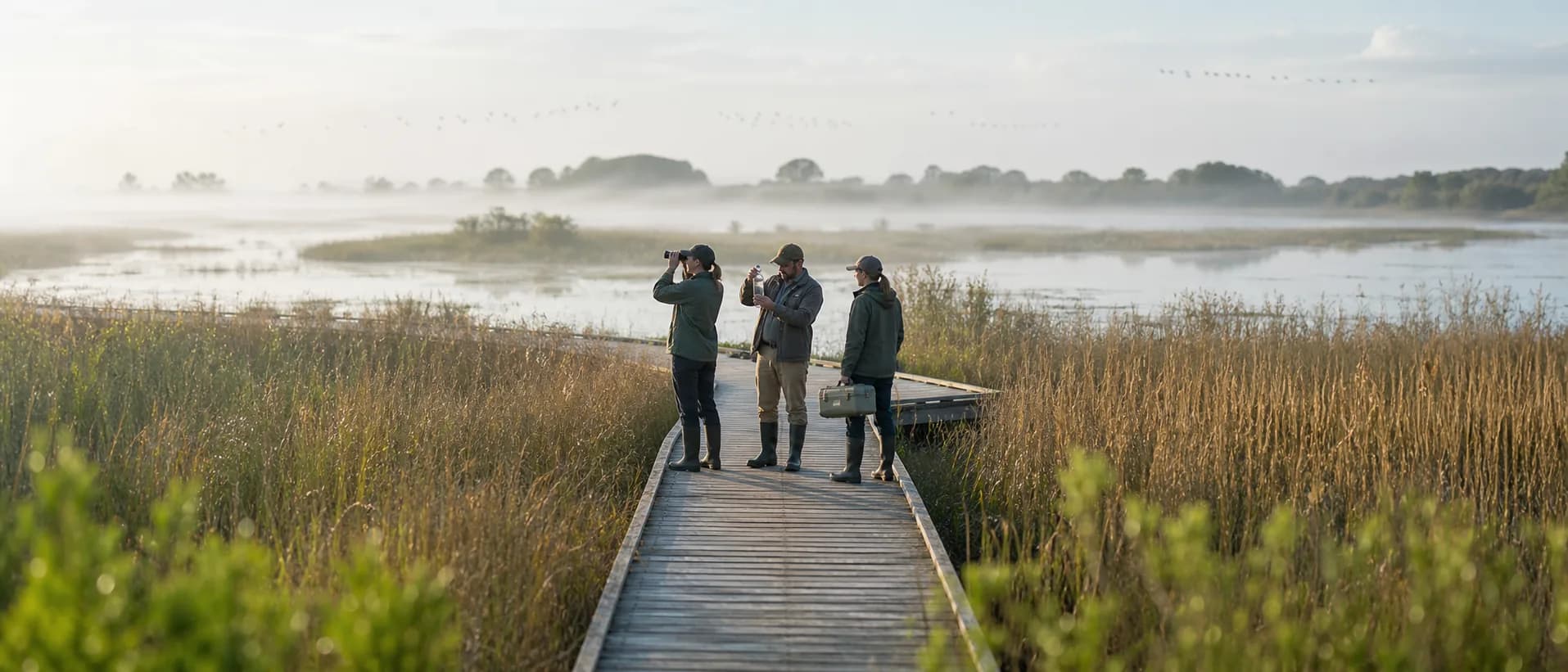
Night photography in Bulgaria can be wonderfully simple: a camera, a tripod and an hour of quiet. It can also turn a pleasant daytime viewpoint into a confusing place with poor visibility, private boundaries, slippery ground and wildlife that you cannot see. The “no trace” part is not an extra caption for the final image. It is the method that lets the next person, resident or animal use the place undisturbed.
August is a forgiving month for beginners because nights are still manageable and the Milky Way, stars and meteor activity give you several subjects. The same month brings heat, dry vegetation, dew, insects, holiday traffic and elevated fire risk. Plan around those conditions instead of treating darkness as permission to go anywhere.
At a glance
Scout in daylight
Choose the subject first, then the place. A ridge, beach, field edge or village approach may look open in a satellite image but be private, fenced, flood-prone or crossed by an active road. Visit before sunset when possible. Find a standing position that does not require trampling grass, climbing a wall or stepping into traffic. Mark where the tripod legs can go without widening a path.
Check the land designation and the exact manager. A national park, nature park, protected area, Natura 2000 site, municipal park and ordinary roadside verge do not have the same rules. The Bulgarian protected-area register and the manager’s own notices are better starting points than a recent-looking social-media post. Do not infer that a popular photo spot is open at night, that a gate is unlocked or that a fire is allowed. If the access is unclear, choose a simpler public viewpoint.
Tell a person at home the route, parking place and return time. Download the map for offline use, carry a charged phone and take two light sources. On a forestry or mountain road, park fully clear of the route and leave room for emergency and service vehicles. Never turn on hazard lights or a headlamp in a way that blinds approaching drivers.
Preserve the night for people and animals
Use the lowest light level that lets you move safely. A red mode can help with dark adaptation, but red light is not invisible to wildlife or other visitors. Shield the lamp with your hand, point it at the ground and switch it off while exposing. Do not use a laser, a strobe or a high-powered beam to “find” animals. If a group is already observing, wait before walking through their frame or ask from a distance.
Avoid light painting across houses, tents, livestock areas and private gardens. A brighter foreground is not worth revealing somebody’s location or interrupting sleep. Keep conversations low, especially near wetlands, roosts, breeding habitat and forest edges. Playback calls, bait and food have no place in a landscape photography setup: they change animal behaviour and can make a photograph misleading.
Do not fly a drone in darkness unless you have verified that the flight is lawful and safe for that exact place and time. A drone’s lights, noise and uncertainty are particularly disruptive near birds and people. The cleanest night image often comes from waiting in one position rather than adding another moving device.
Build a camera routine for August
Set the camera up before full darkness. Use a sturdy tripod on rock, a durable boardwalk position or an established surface. Hang nothing that can swing in the wind. Turn off image stabilisation when the camera is firmly mounted if your equipment guidance recommends it. Focus manually on a distant light or star, then check a test frame at high magnification. Mark the focus ring so a sleeve or strap cannot move it.
Dew is a bigger problem than many beginners expect. Watch the temperature and humidity, use a simple lens hood and carry a cloth that is clean and dry. A commercial dew heater can help on a long session, but do not improvise heat with an open flame or a hot object near dry vegetation. Keep spare batteries in an insulated pocket and let a cold camera warm gradually in a sealed bag when you return to a humid car or room.
Use interval shooting for stars or meteors and keep a note of the actual settings. A sequence of empty frames is still useful evidence of conditions. If you blend images, disclose the composite and whether the foreground was made at a different time. Do not remove a lamp, person or animal from a documentary comparison without saying so.
Keep the ground and water out of the frame’s hidden cost
Night compositions tempt photographers toward the lowest bank, the wettest reflection and the fragile patch of flowers. Use the route you found in daylight. Do not enter mudflats, dunes, reed beds or shallow water to improve a reflection. Wetland edges can look firm and still collapse under a person or tripod. A normal-looking rock may be a boundary marker, habitat feature or part of a cultural site; do not move it.
Bring a small bag for your own waste, but do not collect unknown material in the dark. Fishing hooks, broken glass, syringes and containers with residue need a different response. Photograph a hazard from a safe position, note the approximate location and report it through the relevant manager or municipality. Leave food scraps and scented wipes packed away. They attract animals and turn a quiet place into a repeated food cue.
Before you go, walk slowly around your setup with a torch. Check behind the tripod, under the camera bag and along the route to the car. Lens caps, cable ties, hand warmers and bits of tape are easy to leave behind. Close gates as you found them, keep vehicles on lawful surfaces and do not publish a shortcut that crosses private land.
Make the location note useful
A good field note says when you visited, how clear the sky was, where direct light came from, whether dew formed, how the wind behaved and what access you personally checked. It does not promise that the spot is always dark, open, quiet or safe. Keep exact coordinates private when they identify a nest, roost, fragile habitat, private home or informal access route.
Share a verified image and its conditions through Garbamons’ photography gallery. If the main value is a dated access or sky observation, add the broadest useful place note rather than sending everyone to the same narrow patch of ground.
Sources & further reading
- Responsible Outdoor Lighting at Night — DarkSky International
- Leave No Trace Principles — Leave No Trace
- General information about protected areas — Ministry of Environment and Water of Bulgaria
Access, prices and opening times change. Verify locally before you travel.
Tags
- night photography
- no trace
- Bulgaria
- landscape photography
Background reading
Links to reference material and organisations we don't control.
- ReferenceGolden hourWikipedia
- ReferenceBlue hourWikipedia
- OrganisationDarkSky InternationalDarkSky International