Photograph California oak country without disturbing wildlife
Use distance, quiet routes, seasonal awareness and careful location sharing when photographing birds, mammals and oaks in California.
Recently verified — 3 August 2026
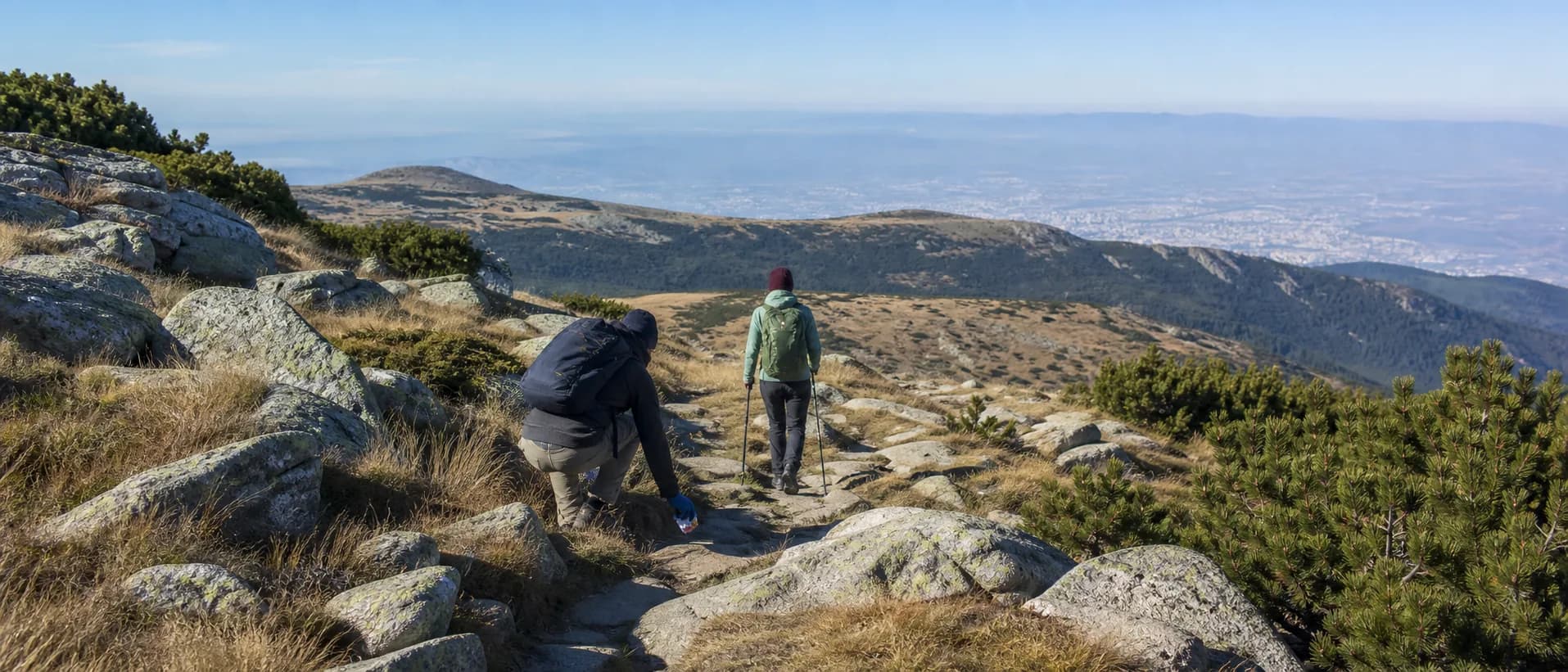
California oak country rewards slow observation, but a photograph is not worth flushing a bird from a nest, trampling wildflowers or revealing a sensitive den. Use the land manager's access rule and wildlife guidance, then let the animal's behavior decide how close you are.
Read behavior as a boundary
If an animal stops feeding, changes direction, calls repeatedly, watches you, hides young or leaves a nest, move away. Do not block a path to water, a burrow entrance or a shaded tree. Keep dogs under the official leash rule and never use food, playback or drones to create a photograph.
Oak woodland can contain ticks, falling limbs, poison oak, steep ground and seasonal fire restrictions. Stay on the established route and avoid climbing a tree, fence or rock outcrop for a better angle.
Share locations with restraint
Do not publish nest, den, roost or rare-plant coordinates. Use a broad trail or preserve name and omit the exact viewpoint when a post could increase pressure. A public gallery can still show technique, season, light and habitat without making a vulnerable animal a destination.
Photograph people only with consent, and keep plates, homes and private roads out of frame. Avoid geotagging a quiet community place that the manager is trying to protect.
Pair images with condition facts
Record the date, time, weather, trail surface and access status. Do not describe wildlife presence as guaranteed. If smoke, heat or a closure affects the visit, say so. A fixed viewpoint is more useful for comparing habitat than a series of close approaches.
Publish a responsible California photo gallery with approximate locations and consent. Add a dated viewpoint report, and map a cleanup need only from public access without disturbing habitat.
Leave the oak grove with no new trail, food reward, noise pattern or location leak. The ethical photograph preserves the subject's normal behavior and gives the next visitor less reason to chase the same moment.
Sources & further reading
- Wildlife viewing ethics — US Fish and Wildlife Service
- Leave No Trace Seven Principles — National Park Service
Access, prices and opening times change. Verify locally before you travel.
Tags
- California
- wildlife photography
- oak woodland
- ethics
Background reading
Links to reference material and organisations we don't control.
- ReferenceGolden hourWikipedia
- ReferenceBlue hourWikipedia
- OrganisationDarkSky InternationalDarkSky International
- ReferenceCaliforniaWikipedia