A zero-waste rest-stop plan for an August road trip in Bulgaria
Plan safer August driving stops in Bulgaria with reusable food, secure waste storage, realistic sorting and a confirmed disposal handoff.
Recently verified — 12 August 2026
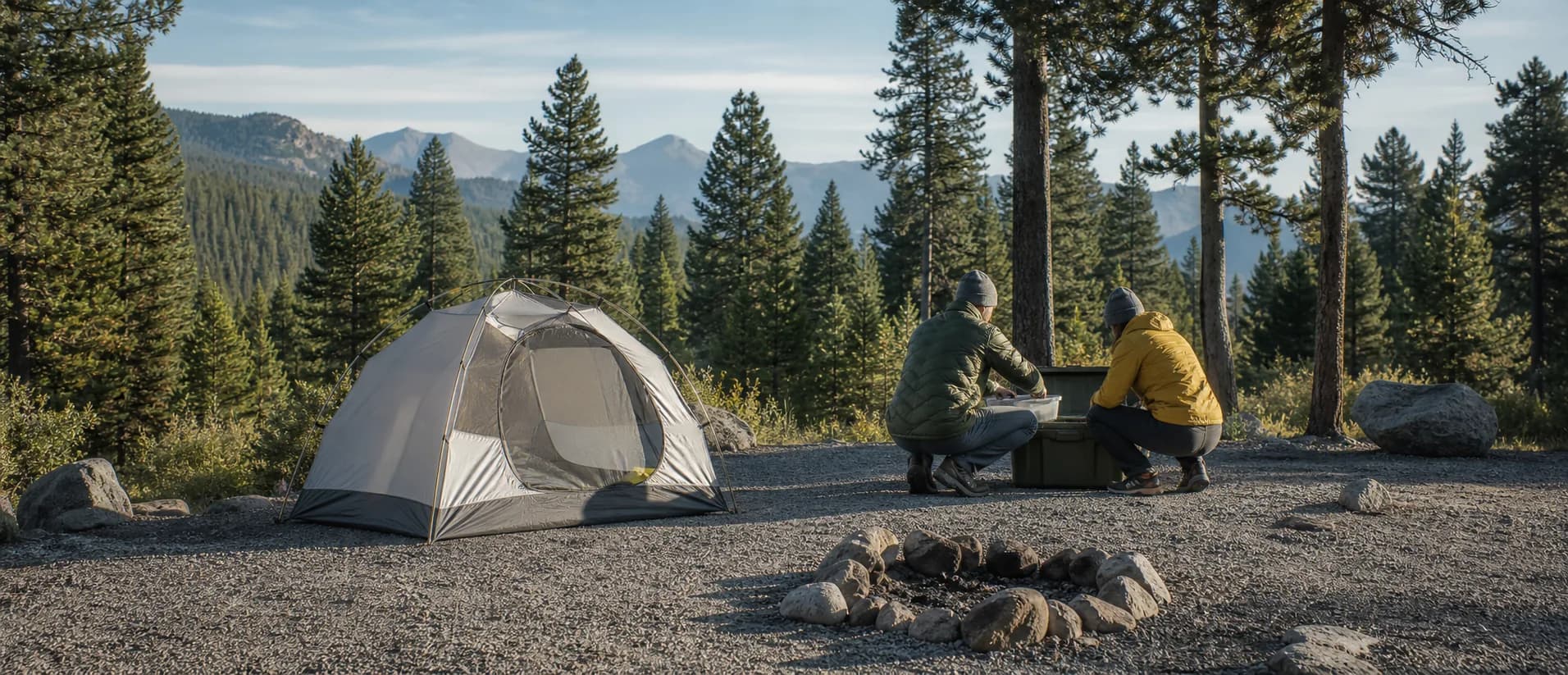
The best August rest stop is the one you can leave without loose rubbish, a dangerous roadside manoeuvre or an unplanned full bag in the passenger footwell. For a road trip in Bulgaria, use a designated service area, fuel station, café or other legal stopping place; do not turn a motorway shoulder or a narrow road verge into a picnic site. Before leaving, decide where food will be eaten, where reusable items will be washed and where every waste stream will go.
On 12 August 2026, treat any route information as a snapshot. Check the official road-condition information again on the day, especially before a long drive toward the coast, a mountain pass or a busy weekend destination. A rest stop that was open last summer may be under repair, crowded, closed or unable to accept anything beyond ordinary mixed waste.
At a glance
Choose the stop before hunger chooses it
Do not plan on an unnamed pull-off because it appears on an old travel post. Look for a place with a stable surface, enough room to park fully off the carriageway, a toilet or food business you can actually use, and a safe walking route that does not cross traffic. If the route includes a ferry, border, mountain road or coastal approach, add time for queues rather than stopping wherever the queue ends.
The Ministry of Interior's road-information pages are useful for current restrictions and traffic conditions, but they do not certify a particular picnic area, bin or water tap. Confirm the final facility with its operator. A petrol station may allow customers to refill water or use a bin, while a small roadside container may be reserved for the premises or may already be full.
Pack a small return system
Give each passenger a clear job. Carry one bottle per person, a food box with a tight lid, washable cutlery, a cloth or reusable napkin, and one leakproof container for peels, sauce and damp packaging. Remove unnecessary wrappers at home, but do not repackage food in a way that loses the use-by date or storage instructions.
Keep three separate bags or boxes in the boot:
- a clean, dry stream for empty bottles, cans, paper and cardboard;
- a closed “back to base” stream for batteries, medicines, damaged electronics, fuel canisters and anything needing a special facility;
- a washable, leakproof container for food residue, wet wipes and other unpleasant waste.
Use a rigid box or lidded tub so a hot car does not turn one torn bag into a spill. Keep waste away from children, pets, food and camping bedding. Tie or close every bag before moving the car.
Run the stop in ten minutes
Park first, then send one person to check the facilities before food comes out. Ask the operator whether customers may use the bins, whether there is a separate collection system, and what it accepts. If the answer is unclear, keep the material in your vehicle and do not improvise a sorting station.
Eat away from the edge of the road and keep wrappers inside a container while the doors are open. Wind can carry a receipt or snack film farther than a tired passenger can safely follow. Use only water you know is potable. A decorative tap, spring or outdoor faucet is not automatically drinking water; buy or carry enough to cover a failed refill.
Before departure, inspect the table, the ground, the kerb, the area around the bins, the roof and the space under the vehicle. Check that a child has not left a cup or toy outside and that no food has fallen into a hedge. This is also the moment to check tyre damage, fuel-cap closure and that nobody is standing near the traffic lane.
Sort only when the next step is real
Bulgarian packaging guidance says to follow the signs on the actual containers; colours and accepted materials can vary, and packaging must be emptied and, where practical, rinsed. That does not mean every service-area bin is a functioning recycling route. Do not put a greasy food container, mixed household waste, batteries, electrical equipment, construction material or hazardous packaging into a packaging container.
Ask three concrete questions: who empties this container, which material is accepted, and where should a visitor take a full bag? If staff cannot answer, take the waste to the next confirmed destination. Never leave a filled bag beside an arbitrary bin, behind a toilet block or at the end of a parking area. An unattended bag can be opened by wind, animals or traffic and can become someone else's illegal dumping problem.
Make heat and delays part of the plan
In mid-August, keep dairy, cooked food, cut fruit and other perishables in an insulated bag with reusable cold packs, and eat them early in the day. Separate drinks from food so opening a large cooler does not warm the meal every time somebody wants water. Keep the boot shaded when possible, but do not treat a shaded car as a refrigerator. If food becomes warm beyond its safe storage instructions, discard it rather than relying on smell.
Plan one confirmed fallback for a traffic delay: a shop or café with a toilet and water, a campsite or accommodation where the operator has agreed to receive the waste, or a return-home plan. Do not assume that a town's recycling containers can absorb a carload of holiday packaging. The MOEW explains that local authorities organise municipal collection systems, so the practical answer belongs to the specific municipality and its current operator.
Close the loop after the drive
At the end of the day, empty only the streams accepted by the confirmed facility, wash the reusable kit, and record what the route actually provided. If a bin was full, a tap was marked non-potable or a stop was unsafe, note the date and place rather than turning one observation into a permanent claim.
For a route that benefits the next traveller, build a lower-waste itinerary on Garbamons with dated stop notes, access limits and a disposal plan you have actually confirmed.
Sources & further reading
- Road Police and current road conditions — Ministry of Interior of Bulgaria
- Waste Management Act — Ministry of Environment and Water
- Packaging waste questions and answers — Ministry of Environment and Water
- MOEW ordered inspections for waste pollution throughout the country — Ministry of Environment and Water
Access, prices and opening times change. Verify locally before you travel.
Tags
- Bulgaria road trips
- rest stops
- waste prevention
- August travel
Background reading
Links to reference material and organisations we don't control.
- ReferenceRoad tripsWikipedia
- ReferenceEcotourismWikipedia
- VideoNational Geographic on YouTubeYouTube