A lower-waste US road trip and rest-stop plan
Reduce roadside waste with reusable food systems, refill stops, safe litter handling, recycling research and realistic vehicle storage.
Recently verified — 3 August 2026
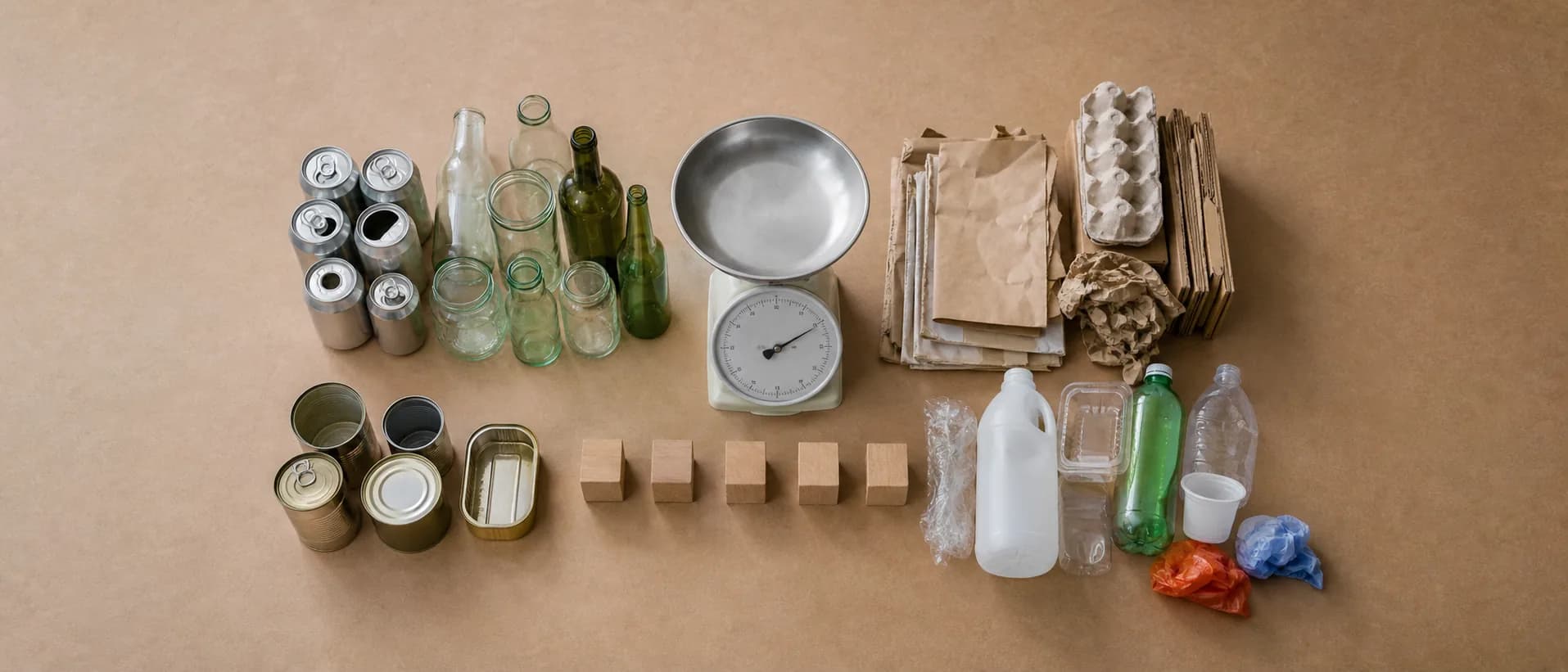
An American road trip creates waste at the exact moments when travelers are tired, rushed and far from home. The solution is not to promise that every rest area recycles everything. It is to build a practical system that reduces packaging, carries waste securely and researches disposal before the vehicle is full.
Pack the system, not only the snacks
Start with refillable bottles, a washable food box, utensils, cloth napkins and a leakproof container for wet waste. Buy larger packages only when the group will actually finish them. Remove excess packaging at home and keep a small “return home” pouch for batteries, medicine containers, broken gear and other items that need special handling.
Estimate the vehicle's clean storage capacity. A plan that depends on keeping loose trash beside passengers will fail on a hot day. Use lidded bins or strong bags and separate food residue from dry cardboard, cans and bottles. Do not store a leaking bag next to sleeping equipment.
Research each disposal point
Rest-stop bins are usually for ordinary traveler trash, not a guarantee of local recycling. Read labels at the site. Some state systems separate bottles and cans; others send mixed trash to disposal. Never place an item in a recycling bin merely because it looks recyclable. Contamination can make the whole load unusable.
For larger items, hazardous products, used batteries or electronics, find a municipal program before departure. EPA guidance explains that acceptance is local, so keep a list of facilities along the route and confirm hours. A gas station bin is not a safe destination for a camp stove fuel canister.
Prevent litter during stops
Park away from traffic when possible, close vehicle doors and keep food wrappers inside a container until the stop is complete. Wind can carry receipts, tissues and snack film across a road in seconds. Before pulling away, walk the parking edge and look under the vehicle. Do not pick up needles, chemical containers, animal remains or unknown powders; report them to the site operator.
Build a lower-waste route around refill and disposal stops with hours and access notes. Map a safe cleanup need only when the location is accessible without entering traffic and the responsible collector is identified. Use a dated trip gallery for practical refill and waste observations, not for publishing private vehicle details.
At the end of the drive, empty the clean streams at a confirmed facility, wash reusable containers and record what the route actually accepted. That feedback makes the next trip more accurate than a generic “green road trip” promise.
Sources & further reading
- Sustainable management of food — US Environmental Protection Agency
- Recycle right — US Environmental Protection Agency
Access, prices and opening times change. Verify locally before you travel.
Tags
- road trips
- waste prevention
- rest stops
- recycling
Background reading
Links to reference material and organisations we don't control.
- ReferenceRoad tripsWikipedia
- ReferenceEcotourismWikipedia
- VideoNational Geographic on YouTubeYouTube