Backcountry water treatment and wastewater basics
Plan drinking water, dishwater, soap, strainers and treatment by campsite and land-manager rules while protecting streams during US hikes.
Recently verified — 3 August 2026
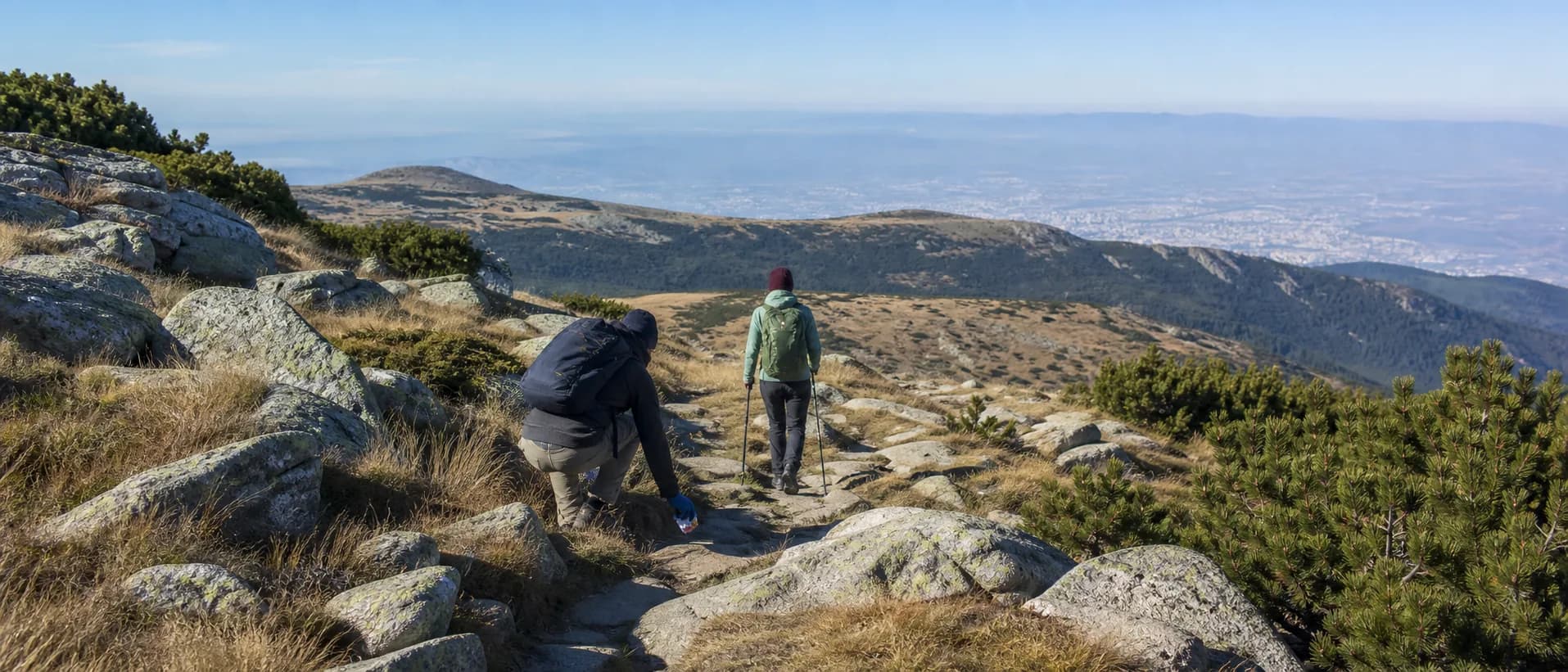
Water treatment is only one part of responsible backcountry hydration. A filter, purifier, tablets or boiling method can make water safer to drink, but it does not give a visitor permission to wash directly in a stream or dump food residue beside a spring. The right method depends on the manager, the water source, the season, the expected pathogens and the number of people using the route.
Separate drinking water from washing water
Collect water downstream from camps, toilets and obvious animal activity when the manager allows collection. Avoid trampling the bank by using an established access point. Keep the dirty collection container separate from clean bottles and bladders. Follow the treatment manufacturer's limits for viruses, protozoa, sediment and contact time; no single device solves every water-quality problem.
Carry enough capacity to avoid repeated trips to the shore. A busy spring can be damaged by dozens of visitors walking the same soft edge. If a park closes a source, posts a boil notice or prohibits swimming, treat that as the controlling instruction. Clear-looking water can still be contaminated.
Handle dishwater with care
Prevent greasy wastewater by scraping food into a pack-out bag before washing. Use only biodegradable soap where the local rule permits it, and remember that “biodegradable” does not mean harmless in a stream. Wash at the distance specified by the land manager, strain solids into a bag and pack out those solids. Scatter strained water broadly only where the rule permits; never pour it beside a tent, trail, spring or animal path.
Do not rinse toothpaste, sunscreen, shampoo or cooking oil into a water body. A campground may have a sink or grey-water station; use it instead of improvising. In a dry desert, wastewater can be especially attractive to wildlife and may need to be packed out or disposed of at a developed facility.
Plan for failure
Carry a backup treatment method, repair parts and enough fuel or chemical capacity for delays. If a filter freezes, clogs or becomes contaminated, follow its instructions rather than guessing. Mark clean and dirty equipment visibly. Never share a mouthpiece or let a bottle opening touch the source.
Add a dated water-source observation only when access and quality information are supported by the manager or testing authority. A visitor report should distinguish “flowing” from “safe to drink.” For a streambank litter accumulation, map the cleanup need from legal access without entering moving water or disturbing the bank.
Before leaving, check that no soap film, food particle, tissue or filter backwash remains at the site. Clean water practice protects the resource and also reduces the chance that a future traveler mistakes a contaminated washing spot for a drinking source.
Sources & further reading
- Leave No Trace Seven Principles — National Park Service
- Healthy swimming and recreational water — US Environmental Protection Agency
Access, prices and opening times change. Verify locally before you travel.
Tags
- water
- hygiene
- hiking
- Leave No Trace
Background reading
Links to reference material and organisations we don't control.
- VideoREI — skills and gear explainersYouTube
- OrganisationThe seven Leave No Trace principlesLeave No Trace
- ReferenceCampsiteWikipedia