Battery disposal for camping electronics
Store, tape, transport and dispose of used camping batteries through the right US program without putting damaged cells in a trail bag.
Recently verified — 3 August 2026
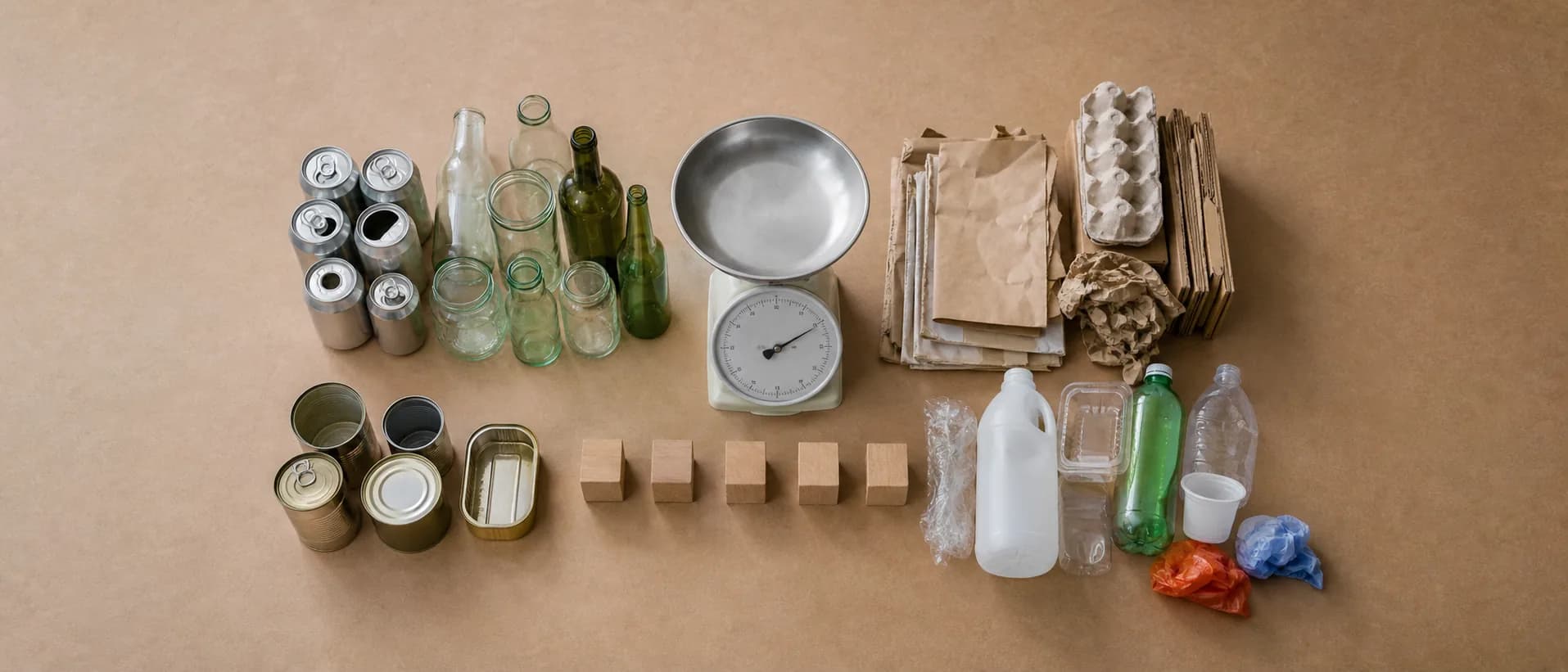
Headlamps, GPS units, power banks, cameras, radios and lanterns make trips easier, but used batteries need a plan. A loose cell can short against keys or tools, while a damaged lithium battery can heat or ignite. Keep batteries out of trail and campground cleanup bags unless the manager and receiving facility have approved the handling.
Separate battery types
Identify alkaline, rechargeable, lithium primary, lithium-ion and lead-acid systems from the label or manual. Do not guess from shape alone. Remove a battery only when the device and manufacturer instructions make that safe. Stop at swelling, heat, smoke, leaking fluid, corrosion or exposed wiring.
Tape terminals as the collection program directs, especially for loose lithium or rechargeable cells. Keep batteries dry, cool and protected from metal objects. Do not store a damaged battery in a tent, vehicle passenger compartment or ordinary plastic bag.
Find the receiving program before travel
EPA guidance explains that accepted batteries and drop-off rules vary. Ask the store, municipal hazardous-waste program or manufacturer route about quantity, damaged cells, power banks and rechargeable packs. A park recycling bin may accept cans but not batteries. Never put batteries in a fire, vault toilet, curbside cart or trail-side bin unless the local program expressly says so.
Carry a small labeled return container for normal spent cells. Keep a damaged unit isolated and call the appropriate fire or waste authority for instructions rather than transporting it casually.
Map a confirmed battery drop-off point with the accepted categories and date. Add a gear note that separates battery life from disposal claims, and publish a cleanup with batteries explicitly excluded unless trained staff lead that task.
At the end of a trip, inspect every device and pack pocket for loose cells. A small return pouch and a verified facility prevent a quiet piece of camping waste from becoming a fire, contamination or litter problem.
Sources & further reading
- Used household batteries — US Environmental Protection Agency
- Lithium-ion battery safety — US Fire Administration
Access, prices and opening times change. Verify locally before you travel.
Tags
- batteries
- camping electronics
- disposal
- safety
Further reading
Links to reference material and organisations we don't control.
- ReferenceRecyclingWikipedia
- ReferenceExtended producer responsibilityWikipedia
- ReferenceZero wasteWikipedia
- OfficialPlastics in Europe — briefings and dataEuropean Environment Agency