EU packaging waste rules in 2026: what cleanup teams need to know
Understand what Regulation (EU) 2025/40 changes from 12 August 2026, and what it does not change about local bins, cleanup sorting or recycling claims.
Recently verified — 24 August 2026
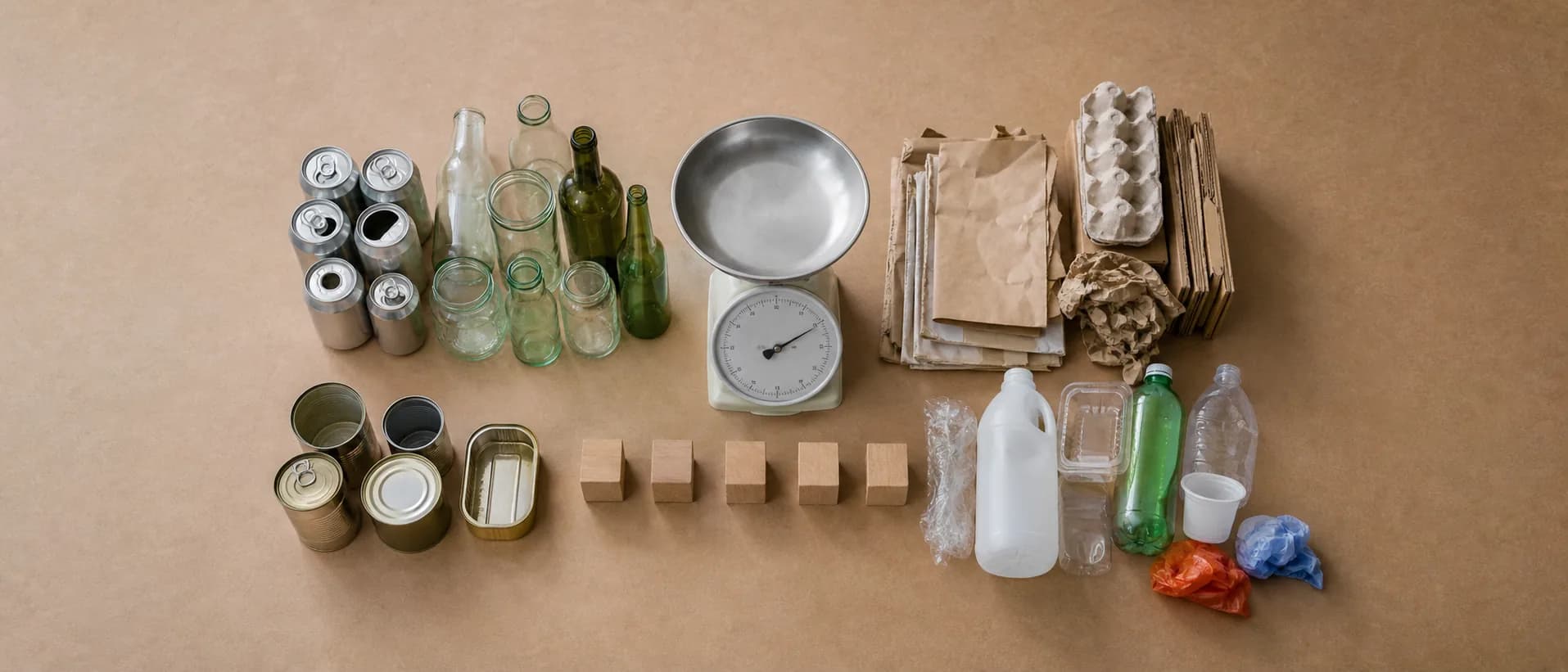
The EU Packaging and Packaging Waste Regulation, Regulation (EU) 2025/40, entered into force on 11 February 2025 and applies from 12 August 2026. It covers packaging and packaging waste across the EU. The date matters, but it is easy to misread what it means on the ground.
The regulation sets common requirements for packaging design, recycled content, recyclability, labelling, reuse and collection. It does not give a cleanup team permission to use any bin, and it does not make a mixed bag recyclable because the items inside are made of packaging.
Keep the three questions separate
When you find a wrapper, bottle, cup or box, ask three different questions:
- Is this packaging, or is it another product made from a similar material?
- Does the local collection service accept this exact item and condition?
- What did the receiving facility actually accept after the event?
The regulation is about the first and third parts of a wider system, but local collection instructions still determine what a resident or organiser should put into a container today. A plastic-looking item may be a toy, equipment, film, packaging or contaminated waste. Material appearance is not a disposal instruction.
What the regulation is trying to change
The Commission says the rules will reduce unnecessary packaging, harmonise standards, improve recyclability and make sorting instructions clearer. It also sets recycled-content requirements for some plastic packaging, encourages reuse and refill, and includes restrictions on some single-use plastics and food-contact PFAS.
The Commission's public summary says all packaging must be recyclable by 2030. That is a design and market requirement with a timetable. It is not a claim that every package collected in 2026 has a viable local recycling outlet.
Use a cleanup sorting method that can be checked
Before the event, ask the confirmed receiver for its accepted list. Put the answer on the volunteer tally sheet. During collection, record packaging categories that another person can recognise, such as beverage bottles, caps, food wrappers, takeaway containers, cans, glass and film. Keep unknown or contaminated items in a separate review category.
Do not rinse items in a river, lake or public fountain. Do not wash a sharp or chemical container. If the receiver wants clean packaging, arrange a controlled station with the right wastewater route, or report the material as collected rather than pretending it met an acceptance rule.
At handoff, record the receiver, date, number or weight of each stream, rejected material and final instruction. Use "collected", "delivered", "accepted for processing" or "rejected" precisely. Reserve "recycled" for a confirmed result or a reporting system that defines the term.
Recheck the local route after the EU date
Municipal contractors, producer-responsibility organisations and national authorities may update labels, contracts and instructions at different times. Check the local page on the day of collection. Keep a dated copy of the accepted list in the event file so a later reader can see which rule was used.
For a Bulgarian event, put the municipality and confirmed disposal route on the event page. For any region, map the cleanup location with the material categories and a clear note about what remains.
The new regulation should make packaging systems easier to follow. Until every part of the chain catches up, careful local verification is still the quickest way to keep a cleanup bag out of the wrong stream.
Sources & further reading
- Packaging & Packaging Waste Regulation — European Commission
- Packaging and packaging waste from 2026 — EUR-Lex
- Commission Notice on guidance for Regulation (EU) 2025/40 — European Commission
Access, prices and opening times change. Verify locally before you travel.
Tags
- EU packaging rules
- packaging waste
- recycling
- cleanup data
Beyond this page
Links to reference material and organisations we don't control.
- ReferenceRecyclingWikipedia
- ReferenceExtended producer responsibilityWikipedia
- ReferenceZero wasteWikipedia
- OfficialPlastics in Europe — briefings and dataEuropean Environment Agency