Dispose of empty camp-stove fuel canisters safely
Check local recycling and hazardous-waste rules before transporting, puncturing or discarding small camping fuel canisters.
Recently verified — 3 August 2026
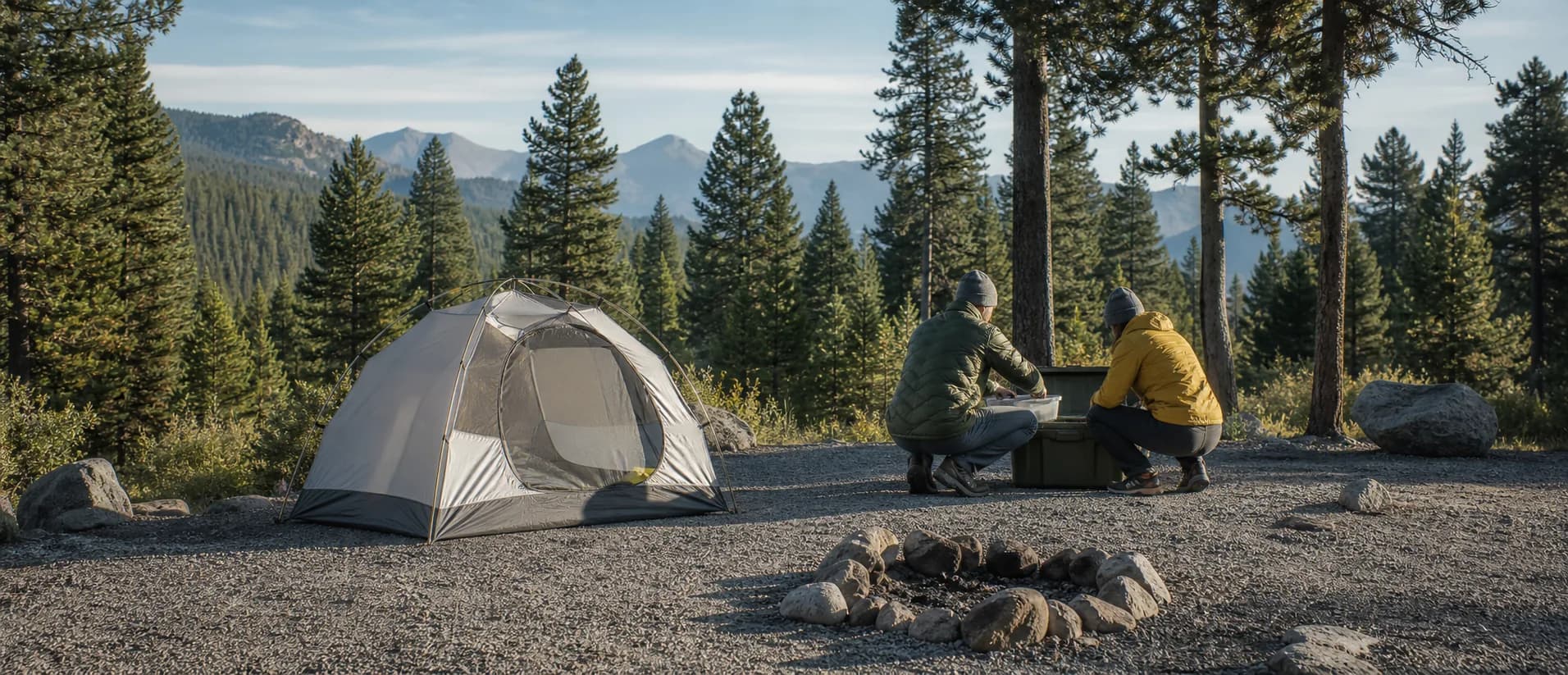
An “empty” camp-stove canister may still contain pressure or fuel vapor. The correct end-of-life step depends on the canister type, local facility and transport rule. Do not puncture, crush, burn or place it in a recycling bin because a visitor on a forum said that was normal.
Identify the container
Read the label and manufacturer instructions. Threaded propane, mixed-fuel and disposable cartridges have different handling requirements. A visibly damaged, rusty, swollen or leaking cylinder is a stop condition. Keep people away and contact the land manager or emergency service when there is an immediate danger.
Do not test a canister by shaking it near flame or venting it into the air. Use fuel only in the approved appliance and outdoors under the manufacturer's safety instructions. Plan the trip so the canister is not abandoned at the campsite when it runs low.
Ask the facility before transport
Call the municipal household-hazardous-waste program, recycling center or campground operator. Ask whether it accepts the exact type, whether it must be completely empty, whether a valve must remain intact and how it should be transported. A transfer station may reject pressurized containers even if a scrap-metal yard accepts them.
Keep the canister upright, protected from heat and separated from ignition sources. Do not leave it in a hot car. Follow the receiving facility's instructions for quantity and packaging. Never leave a canister beside a public bin.
Keep canisters out of cleanups
Before a volunteer event, state that pressurized containers are excluded. Photograph and report an abandoned cylinder from a safe distance. Do not collect it in a bag with cans or try to use the cleanup as a free hazardous-waste service.
Add camping listings with verified fuel and waste notes. Map a hazardous disposal point only when its acceptance is current, and publish a cleanup with fuel containers excluded unless qualified staff lead removal.
Responsible fuel planning ends before the flame goes out: use the right canister, keep it intact, confirm the destination and transport it only as instructed. That keeps pressure, vapor and metal out of a campsite's ordinary waste stream.
Sources & further reading
- Household hazardous waste — US Environmental Protection Agency
- Campfire and stove safety — National Park Service
Access, prices and opening times change. Verify locally before you travel.
Tags
- camp stoves
- fuel canisters
- hazardous waste
- camping
Elsewhere on the web
Links to reference material and organisations we don't control.
- ReferenceRecyclingWikipedia
- ReferenceExtended producer responsibilityWikipedia
- ReferenceZero wasteWikipedia
- OfficialPlastics in Europe — briefings and dataEuropean Environment Agency