Handle abandoned electronics during a cleanup
Keep phones, batteries, cables and solar gear out of ordinary trail bags by separating electronics and confirming an approved US disposal route.
Recently verified — 3 August 2026
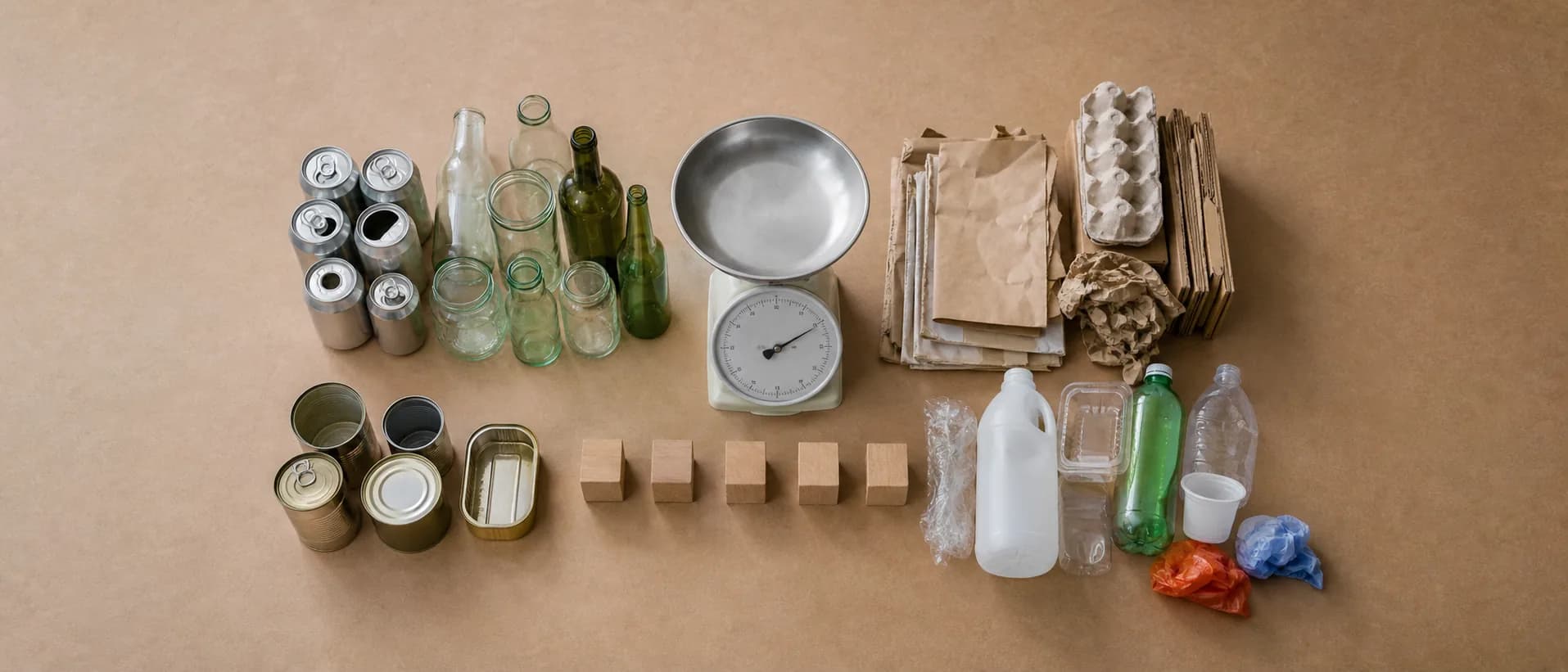
An abandoned phone, headlamp, camera, power bank or solar panel is not ordinary trail litter. Electronics can contain batteries, sharp glass, data and materials that require a dedicated recycling or waste route. Treat the item as a separate category, do not test it in the field and ask the land manager what response is appropriate.
Inspect without powering up
Do not press buttons, plug in, open a swollen device or remove a battery with a knife. Look for heat, smoke, leaking fluid, swelling, corrosion or damaged wiring from a safe position. A lithium battery can ignite when crushed or punctured. If it is hot, smoking or burning, move away and call emergency services.
Use gloves and a rigid container only when the manager or receiving facility has approved volunteer handling. Keep electronics dry and separate from food, water and ordinary bags. Never place a loose battery in a metal can with other batteries unless the collection instructions require that container.
Protect data and privacy
Do not unlock a phone, read a screen, photograph personal content or publish an identifiable serial number. Note the device category and location, then hand it to the authority according to its lost-property or waste process. A cleanup record should not expose someone's photographs, contacts or location history.
Confirm the receiving facility
EPA explains that electronics programs vary by item and location. Call before transporting a device. Ask about lithium batteries, damaged equipment, cables, solar panels and accessories. A curbside recycling cart or park bin is rarely the correct destination for a power bank.
Map an electronics litter observation with the hazard and privacy note. After clearance, publish the ordinary-litter cleanup with electronics excluded, and use a wide contextual photograph rather than a readable device screen.
At the handoff, record the facility and date, not a private device identifier. Keeping electronics separate protects volunteers, the waste stream and the person whose information may still be inside the object.
Sources & further reading
- Electronics donation and recycling — US Environmental Protection Agency
- Used household batteries — US Environmental Protection Agency
Access, prices and opening times change. Verify locally before you travel.
Tags
- electronics
- batteries
- recycling
- cleanup safety
Elsewhere on the web
Links to reference material and organisations we don't control.
- ReferenceRecyclingWikipedia
- ReferenceExtended producer responsibilityWikipedia
- ReferenceZero wasteWikipedia
- OfficialPlastics in Europe — briefings and dataEuropean Environment Agency