Avoid recycling contamination while traveling in the US
Read local accepted-material lists, keep food residue out of bins and carry questionable packaging until a real recycling route is confirmed.
Recently verified — 3 August 2026
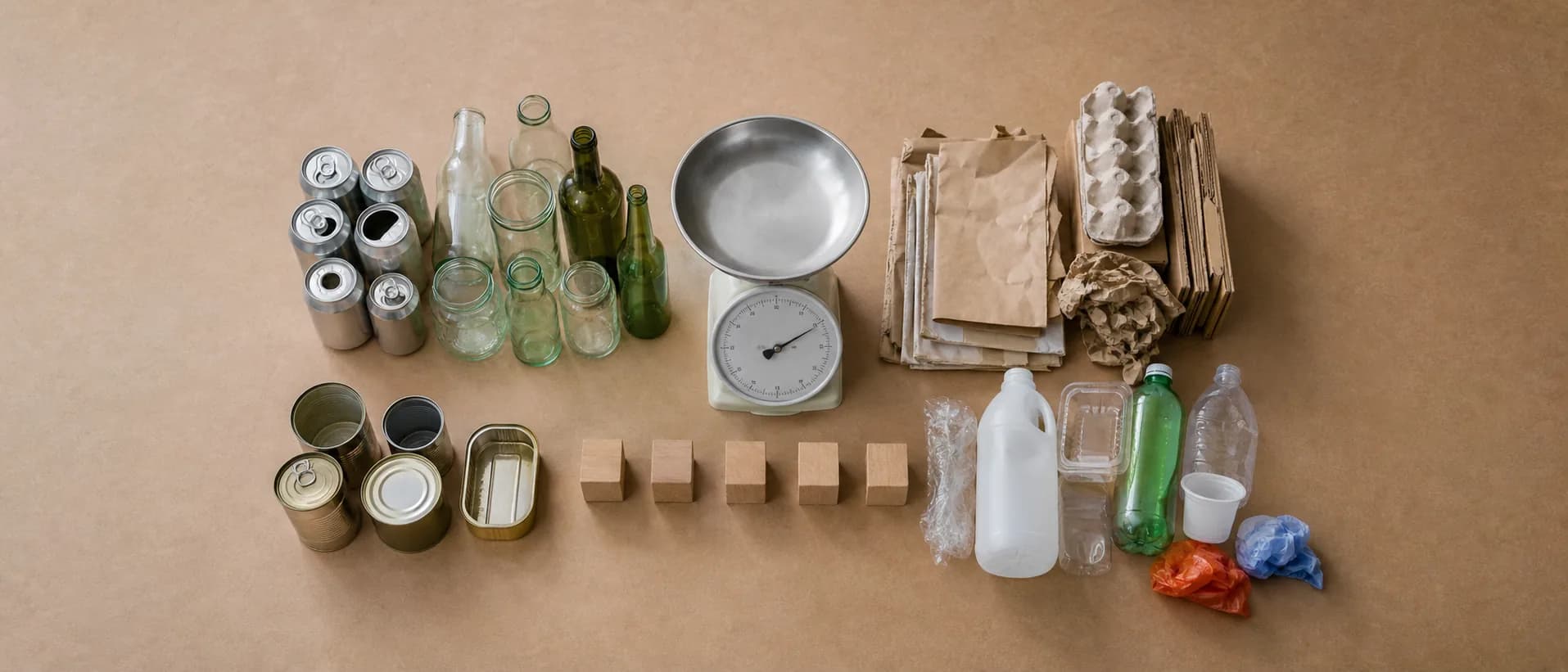
Travelers often see a blue bin and assume it accepts every recyclable-looking object. In the United States, accepted materials and collection systems are local. A clean bottle may be accepted in one town and rejected in another, while a compostable cup, plastic film or greasy box may belong somewhere else. Read the local list before you sort.
Start with the receiving program
Search the city, county, campground or facility's official page and check the date. Look for accepted materials, preparation instructions, collection limits and a contact for unusual items. A national guide can explain general principles, but it cannot override the label on the bin where you are standing.
Do not place an item in recycling because it has a recycling symbol. The symbol identifies resin or packaging history, not local acceptance. When the answer is uncertain, keep the item with ordinary trash or carry it to a confirmed special program rather than contaminating a clean load.
Keep material clean and loose
Empty liquids, scrape food and follow the local direction about caps, bags and flattening. Do not put recyclables inside a tied plastic bag unless the facility specifically asks for it. A bag can hide unwanted material and prevent sorting. Keep wet food, tissues, used wipes, batteries, cords and hazardous products out of the stream.
At a campground, do not rinse packaging into a creek or storm drain. Use the approved sink or carry the residue out. If a public bin is full, close the lid and report it; do not balance a bag on top where wind can spread it.
Make travel storage realistic
Carry a small clean container for bottles and cans, and a separate pouch for items that need a store take-back or household facility. Note which stop accepted what, but avoid presenting one observation as a permanent regional rule. If you travel with children, explain that “recyclable” and “accepted here” are different questions.
Map a verified recycling or disposal point with the accepted list and date. Add a campsite waste report for facilities observed at that site, and publish a cleanup only when sorting and disposal are confirmed.
The cleanest recycling stream starts with less packaging, continues with accurate sorting and ends at a facility that actually accepts the material. When the route is unclear, prevention and pack-out are more reliable than wishful sorting.
Sources & further reading
- How do I recycle — US Environmental Protection Agency
- Recycle right — US Environmental Protection Agency
Access, prices and opening times change. Verify locally before you travel.
Tags
- recycling
- contamination
- road trips
- packaging
Further reading
Links to reference material and organisations we don't control.
- ReferenceRecyclingWikipedia
- ReferenceExtended producer responsibilityWikipedia
- ReferenceZero wasteWikipedia
- OfficialPlastics in Europe — briefings and dataEuropean Environment Agency