EU plastic waste shipments in 2026 — what changed at the border
Prior informed consent, the November 2026 non-OECD export ban and why carrying cleanup waste home can become a regulated shipment.
Recently verified — 2 August 2026
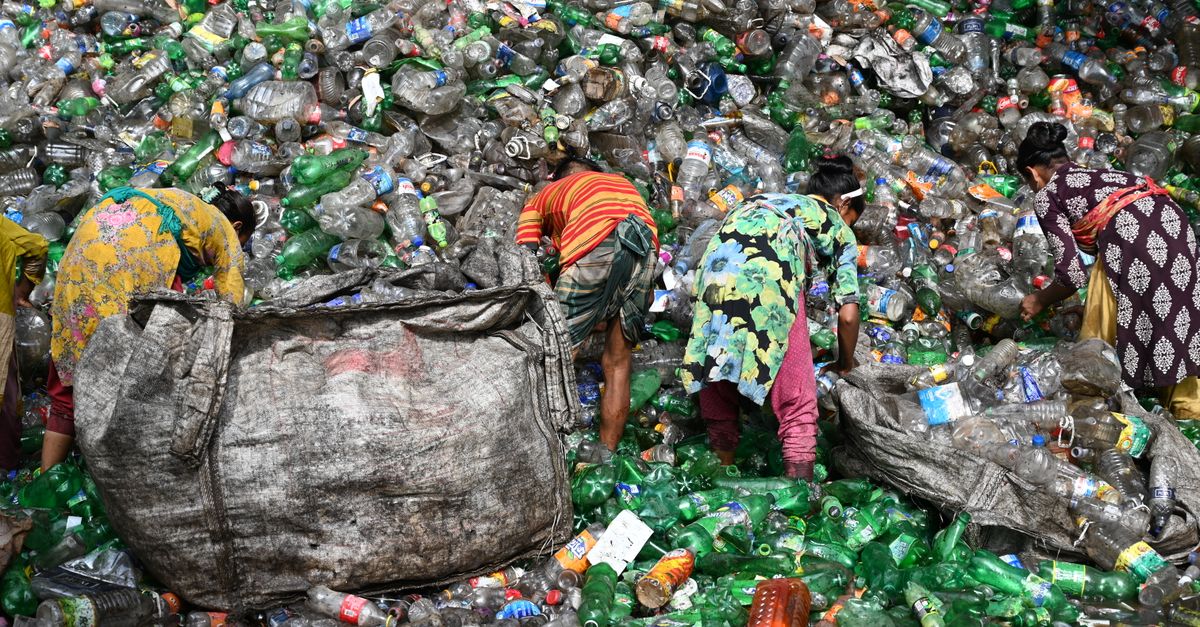
Waste does not become a product merely because someone hopes to recycle it after crossing a border. International and EU rules classify material by composition, contamination, hazard, destination and intended operation.
From 21 May 2026, EU exports of plastic waste to third countries are subject to prior notification and consent. From 21 November 2026, exports of all plastic waste from the EU to non-OECD countries are banned for at least two and a half years under Regulation (EU) 2024/1157.
The Basel categories
The Basel Convention's plastic-waste amendments created three broad entries. A3210 covers hazardous plastic waste. Y48 covers plastic waste requiring special consideration, including many mixtures. B3011 covers specified non-hazardous plastic waste that is almost free from contamination and other waste and destined for environmentally sound recycling.
These definitions are technical. A volunteer's mixed beach-plastic sack is not automatically “clean recycling” under B3011.
Prior informed consent is a process
PIC requires notification and consent from relevant authorities before controlled waste moves. It is not permission obtained afterward at customs. Transit countries can also matter. Carriers, contracts, financial guarantees and treatment evidence may be required.
The Basel amendments themselves are not a universal ban on plastic-waste trade. They clarify which movements are controlled and under what conditions. EU law adds its own restrictions, including the scheduled non-OECD ban.
Why the date matters
The EU regulation entered into force in 2024, but provisions apply on different dates. A summary that says “the EU banned plastic exports” without an effective date and destination class can be wrong. The Commission's live waste-shipment pages should be checked for implementation updates.
Since 1 January 2025, separate Basel and EU rules also changed e-waste movements. Never treat a load containing vapes, cables or battery devices as ordinary plastic.
Plan local treatment first
Before a cross-border river or coastal event, identify a licensed receiver in the country where material is collected. Ask which fractions it accepts and obtain documentation. Moving waste back with participants should not be the default fallback.
Use a mapped event with the in-country treatment and pickup confirmed. If no lawful destination exists, reduce the scope or coordinate through authorities rather than collecting a pile that cannot move.
For a dump spanning or near a border, notify both competent agencies as directed, then record a public cleanup need only when it will not interfere with enforcement. Do not publish vehicle, shipping or personal details as allegations.
Recycling claims need final-destination evidence
An export declaration proves movement, not environmentally sound processing. Under the newer EU framework, exporters face stronger facility-audit and traceability requirements as provisions phase in. Organisers should preserve weight tickets and receiver confirmation without exposing personal data.
The best cross-border waste plan often keeps the waste from crossing at all. Prevention, local authorised treatment and precise classification are safer than goodwill at a customs barrier.
Sources & further reading
- Plastic waste shipments — European Commission
- Plastic Waste Amendments FAQs — Basel Convention Secretariat
Access, prices and opening times change. Verify locally before you travel.
Tags
- waste shipments
- plastic
- Europe
- Basel Convention
Further reading
Links to reference material and organisations we don't control.
- ReferenceRecyclingWikipedia
- ReferenceExtended producer responsibilityWikipedia
- ReferenceZero wasteWikipedia
- OfficialPlastics in Europe — briefings and dataEuropean Environment Agency