Camping firewood in the US: buy it where you burn it
Why moving firewood spreads tree-killing pests, how far is too far, what certified heat-treated means and how state and park rules differ, with US examples.
Sources checked - 8 October 2026
In this article
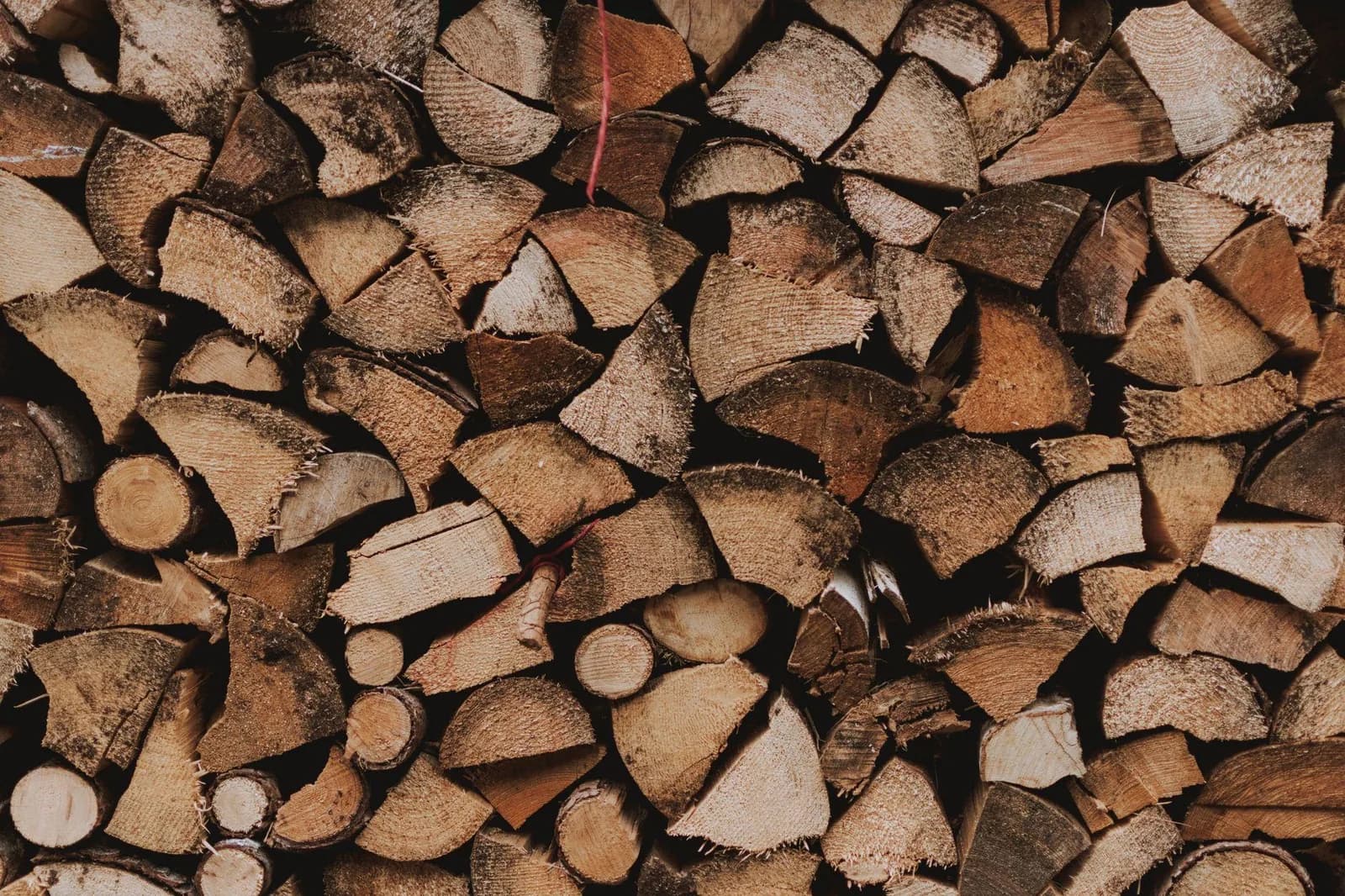
A bundle of firewood in the back of a car can carry tree-killing insects and diseases hundreds of miles across the United States. That is why US land managers ask campers to buy firewood where they burn it, and why many campgrounds and some states refuse wood brought from elsewhere (NPS on firewood). Two separate questions decide your campfire: is a fire allowed at the site today, and is the wood you are carrying allowed to enter? A yes to one says nothing about the other.
Why clean-looking wood can still carry pests
Wood-boring beetle larvae, insect eggs and fungal spores live under the bark or deep in the wood, where you cannot see them. On their own they spread slowly. In a car they can travel across several states in a day and arrive in forests whose trees have no defences against them (NPS).
The emerald ash borer shows what is at stake. First found in North America in 2002 in south-east Michigan, it has killed or damaged tens of millions of ash trees and has been detected in 38 states and the District of Columbia. It flies short distances by itself, but people moving infested firewood, logs and nursery stock carry it far further. The federal domestic quarantine was lifted in January 2021, and APHIS now concentrates on biological control, surveys and public education (USDA APHIS). The Nature Conservancy's Don't Move Firewood campaign lists other travellers in firewood, including spongy moth, Asian longhorned beetle and spotted lanternfly, and keeps a state-by-state map of firewood rules.
How far is too far
The National Park Service's rule of thumb is simple: ideally get your wood 10 miles or less from where you will burn it, and treat 50 miles as generally too far. The exception is certified heat-treated firewood carrying a USDA APHIS or state department of agriculture seal, which is considered safe to move (NPS).
Two labels cause most confusion:
- Kiln-dried wood has been dried so it burns well. It is not the same as certified heat treatment, which reaches a set temperature for a set time to kill pests. Point Reyes National Seashore says kiln-dried wood should not be considered safe to move (Point Reyes beach fires).
- Seasoned simply means air-dried over time. It says nothing about pests.
State rules can be stricter: New York
Some states turn the guidance into law. New York bans untreated firewood from any other state or country. Untreated firewood grown in New York may not be moved more than 50 miles from its source unless it has been heat-treated to 71°C (160°F) for 75 minutes. Bought firewood needs a receipt or label showing its source; wood you cut yourself needs a self-issued certificate of origin; and treated wood must be labelled as New York approved heat-treated firewood. Violations can lead to fines and confiscation (NYSDEC). A bundle that is perfectly legal at home in a neighbouring state can therefore be illegal at a New York campground.
Park rules add their own layer: Point Reyes
Point Reyes National Seashore in California shows how a single park can set specific conditions. Every wood fire within the seashore needs a beach fire permit, and fires are usually allowed on beaches not under resource or visitor protection closures. Visitors are asked to buy wood locally in Inverness, Inverness Park, Olema or Point Reyes Station, and not to bring oak, fir, redwood, madrone, tanoak or other species susceptible to the sudden oak death pathogen unless certified free of it. Fires may be no more than 36 inches (0.9 m) across (Point Reyes beach fires). The park runs a daily fire-information line because conditions change.
Choosing your wood
| What the destination says | What to do |
|---|---|
| Names an on-site or nearby seller | Buy there; it is the simplest way to comply |
| Requires certified heat-treated wood | Buy sealed bundles with a USDA APHIS or state seal and keep the label |
| Allows gathering on site | Collect only the material and amount allowed, in the stated area |
| Bans outside wood, or the rule is unclear | Leave your wood at home and buy locally |
| Has a fire ban in force | No wood fire at all; use a stove if the restriction allows it |
Check the destination's own page first, then the state map on Don't Move Firewood. Fire restrictions change with the weather, so check again the day before you leave.
What not to burn
Campfires are not rubbish fires. EPA guidance lists household rubbish, cardboard, plastics and foam, coated, painted or pressure-treated wood, plywood, particle board, glued wood and ocean driftwood among the materials that should never be burned, along with wet or rotten wood. Wood burns best when seasoned to a moisture content below 20 percent (EPA Burn Wise, archived). Pallets and old furniture fall into the same category of unknown coatings and glues.
Leftover wood
Buy only what you expect to burn. If some is left, do not take it home: leave it at the campsite for the next campers or give it to the camp host (NPS). Never dump it in the woods, carry it on to the next forest or burn it during a ban just to get rid of it. Pages were checked on 8 October 2026.
Sources & further reading
- I Didn't Know That! Don't Move Firewood - National Park Service
- Don't Move Firewood - The Nature Conservancy
- Emerald Ash Borer - USDA Animal and Plant Health Inspection Service
- Firewood and Invasive Pests - New York State Department of Environmental Conservation
- Beach Fires Within Point Reyes National Seashore - National Park Service
- Best Wood-Burning Practices (archived) - US Environmental Protection Agency
Tags
- firewood
- invasive species
- camping
- forests
- emerald ash borer
- campfires