Food scraps when camping: why to pack them out, not bury them
What to do with food scraps, washing-up leftovers and compostable packaging at camp: why burying them fails, how to store them, and Bulgarian park rules.
Sources checked - 8 October 2026
In this article
Apple cores, onion skins and leftover pasta feel natural, so it is tempting to bury them, toss them into the bushes or call them "compost". At camp that does not work. Scraps draw animals to the tent area, a shallow hole is nothing like a managed compost heap, and park rules treat food waste as rubbish. The rule that covers almost every situation: if the campsite has an organics bin that accepts them, use it; otherwise bag your scraps with the rest of your rubbish and take them out.
Why burying and scattering fail
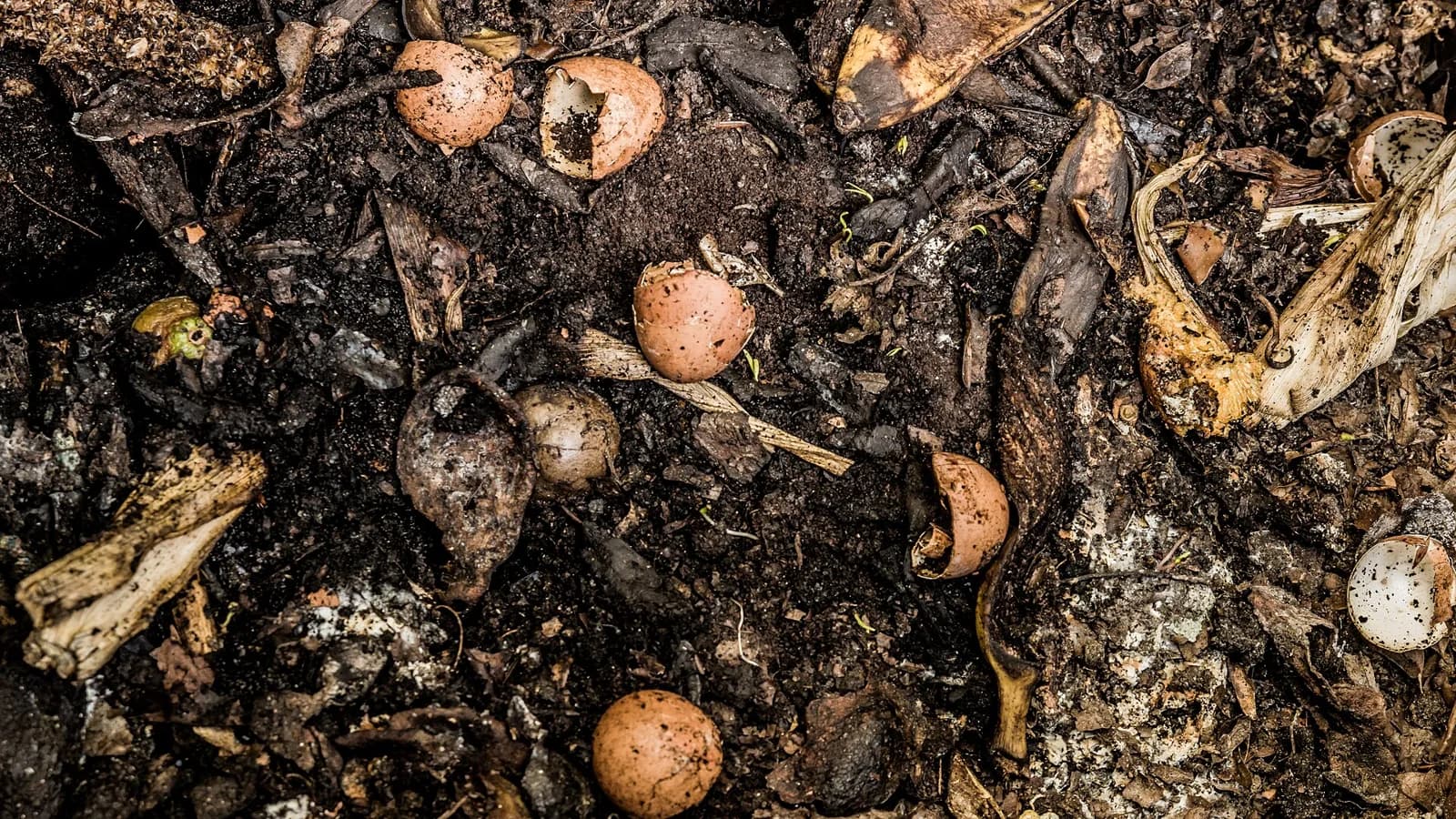
A compost heap works because it is managed: a balance of nitrogen-rich "greens" such as fruit and vegetable scraps and carbon-rich "browns" such as dry leaves and twigs, plus water and air. Even in a back garden, the US Environmental Protection Agency advises keeping meat, fish, bones, dairy, fats and oils out of the heap because they attract animals, and limiting cooked food to small amounts (US EPA). A hole dug beside a tent has none of that management and all of those foods.
That is why US national park guidance, such as Apostle Islands National Lakeshore's, tells campers to pack out all food waste and packaging, "even things that are biodegradable", and not to bury it, burn it or throw it in the water (Apostle Islands National Lakeshore). Feeding wildlife, deliberately or through scraps, teaches animals to expect food from people (National Park Service).
What to do with each kind of waste
| Waste | What to do |
|---|---|
| Fruit and vegetable scraps, coffee grounds, tea leaves | Campsite organics bin if it accepts them; otherwise bag and take out |
| Meat, fish, bones, dairy, fat, cooked leftovers | Bag and take out, or the campsite's general waste |
| Cooking oil and fat | Let it cool, soak it up with paper or pour it into a sealed container, and take it out |
| Food bits from washing up | Strain the water and take the solids out with the rest of the food waste |
| Compostable cups, plates, cutlery and bags | Only an organics collection that names them; never the yellow plastic bin, never a hole in the ground |
| Food packaging | Clean recyclable packaging in the right bin; the rest with general waste |
The compostable packaging line matters. Compostable plastics need industrial composting conditions, should not go into a home heap unless labelled for home composting, and contaminate plastic recycling (US EPA). More on that in our guide to compostable packaging.
Washing up without leaving scraps
Scrape plates and pans into your rubbish bag before you wash, then strain the washing-up water so the food bits stay in the strainer and go out with the other scraps. Where there is no drain or designated washing point, parks set their own rule for the water itself; Apostle Islands, for example, requires strained water to be scattered at least 50 yards (about 45 m) from camp or poured into a vault toilet (Apostle Islands National Lakeshore). Wash away from streams and lakes, and use as little soap as you can.
Keeping waste safe until you leave
Store food in airtight containers so it attracts less attention from animals, and collect food packaging and scraps in a waste bag that goes into the campground bin before you leave camp or go to bed (National Park Service). Where a park provides food lockers or bear-resistant containers, use them for rubbish and scented items too. When wild camping, a double bag or a lidded box inside the car or a hard container keeps smells down until you reach a bin.
In Bulgarian mountain parks
The same approach is written into the rules of Bulgaria's national parks:
- Rila National Park prohibits polluting the ground and water with waste, lighting open fires, and camping outside designated places, with fines from 500 to 5,000 leva (Rila rules).
- Pirin National Park reminds visitors that there are no bins in the mountains: everything you carry up goes back down in your pack. Fires are allowed only at marked places (Pirin safety rules).
- Central Balkan National Park allows bivouacs and fires only at places set aside for them (Central Balkan visitor information).
Hut kitchens and staffed campsites may have their own bins; if they do, ask what goes where rather than leaving a scrap bag outside. Everywhere else, your pack is the bin.
Sources checked on 8 October 2026.
Sources & further reading
- Composting At Home - US Environmental Protection Agency
- Frequently Asked Questions about Plastic Recycling and Composting - US Environmental Protection Agency
- During Your Stay - Camping - National Park Service
- Leave No Trace - Apostle Islands National Lakeshore, National Park Service
- Rules and prohibitions - Rila National Park - Rila National Park Directorate
- Safety rules for tourism - Pirin National Park - Pirin National Park Directorate
- Central Balkan National Park visitor information - Central Balkan National Park Directorate
Tags
- camping
- food waste
- leave no trace
- wildlife
- camp kitchen
- national parks