Florida beach cleanups during sea turtle nesting season
Plan a hand cleanup around nest surveys, protected wrack, lighting rules, wildlife reporting and confirmed disposal on Florida beaches.
Recently verified — 2 August 2026
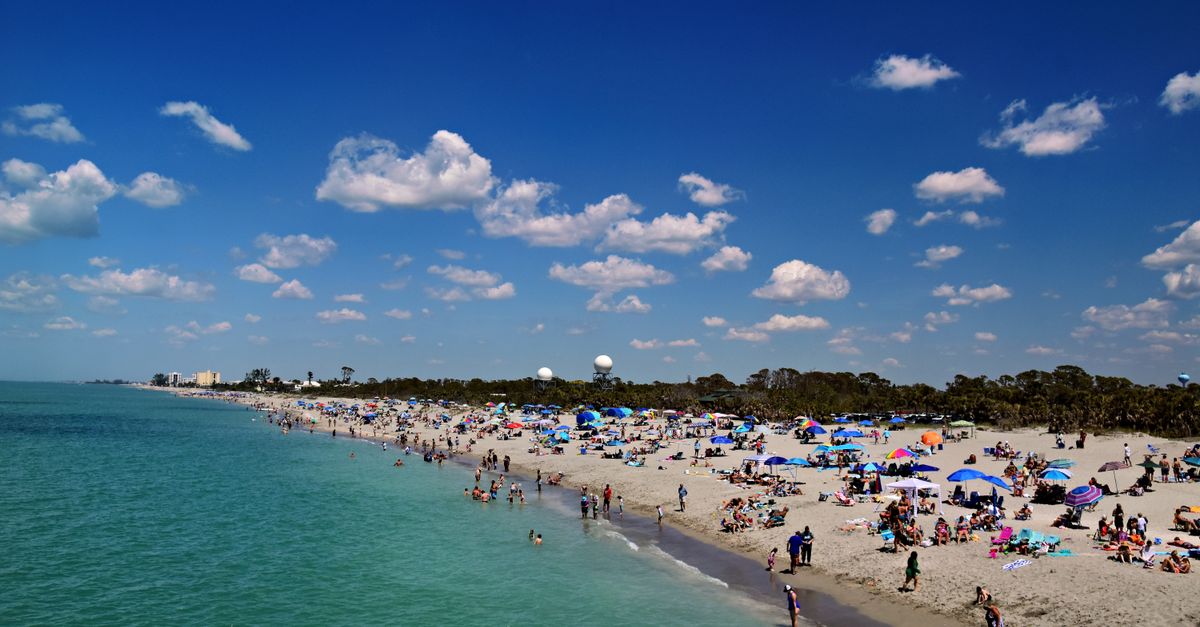
A Florida beach cleanup can remove dangerous human-made litter without turning the shoreline into a groomed strip of bare sand. During sea turtle and shorebird nesting seasons, the distinction matters: nests may be difficult to see, hatchlings can shelter in natural wrack, and lights or nighttime activity can disrupt wildlife.
Florida Fish and Wildlife Conservation Commission guidance says mechanized beach cleaning requires state authorization and can be subject to county or city permits. Volunteer organizers should treat hand collection as the default and coordinate with the beach manager and local marine turtle permit holder before setting a route.
Confirm the local season and survey process
FWC describes different nesting-season start dates within Florida. In Brevard through Broward counties, special mechanical-cleaning provisions begin March 1; elsewhere the commonly cited marine turtle season begins May 1. The state guidance extends through October 31, but local surveys, marked nests and wildlife closures control on the day.
Do not interpret those dates as permission outside the window. Shorebirds, late nests and other protected resources still require care. Ask the land manager:
- Has the authorized morning nest survey been completed?
- Which marked and unmarked buffers must volunteers respect?
- Is hand removal allowed in natural wrack and dune vegetation?
- Who receives wildlife and hazardous-debris reports?
- Where will filled material be taken immediately afterward?
Remove litter, not the beach food web
Natural wrack includes algae, seagrasses and other material delivered by tides. FWC explains that it supplies nutrients, cover and a foundation for beach food chains. Volunteers should remove bottles, line, film, foam and other human-made debris while leaving natural wrack in place unless the manager gives specific instructions.
Do not rake broadly to reveal small plastic. Work visually and by hand with appropriate gloves or grabbers. Keep feet on the manager-approved work corridor and at least the required distance from dune vegetation and symbolic fencing.
Use daylight without adding wildlife disturbance
Plan the event after the authorized morning survey and finish well before darkness. Avoid flash photography, phone lights and bright headlamps on nesting beaches. Keep group noise low and position check-in away from nesting zones.
If volunteers encounter a nesting turtle or hatchlings, stop work, increase distance and contact the authorized monitor. Do not form a crowd between animals and the water.
Build a Florida-specific safety brief
Cover heat, thunderstorms, surf, broken glass, hooks, fishing line and no-touch hazardous items. Assign a rigid container for hooks and sharp fragments. Large net bundles, cylinders, leaking containers and entangled wildlife belong to trained responders.
Bring refillable water and reusable buckets where the manager approves. Secure lightweight fragments immediately; trade winds can turn a sorting tarp into another litter source.
Close every bag into the disposal system
FWC's mechanical guidance requires collected material to leave the beach rather than being buried or stored in the nesting habitat. Apply the same operational standard to a volunteer event. Confirm a named staging point, pickup time and accepted streams before recruiting.
Publish the Florida cleanup with its survey timing, wildlife rules and disposal plan. If you encounter a recurring accumulation during an ordinary walk, map the cleanup need with a photograph taken outside wildlife buffers.
Report the result with context
Record the beach segment, work window, survey confirmation, volunteers, bags, item categories and material referred to responders. Pair wide before-and-after views from the same legal position in a dated cleanup gallery.
A successful Florida cleanup leaves less human debris and all the natural structure, nests and wildlife protections intact.
Keep visitor advice separate from permitted operations
The detailed FWC mechanical-cleaning conditions apply to authorized permittees and equipment, not as instructions for volunteers to reproduce. A public article should summarize why surveys, depth limits and vegetation buffers exist, then direct operators to the agency.
For hand events, publish only the boundaries provided by the local manager and turtle monitor. Do not turn a nest-survey time into a public schedule that attracts spectators. If markings disappear after high water, stop and contact the monitor rather than estimating where the nest was.
Sources & further reading
- Mechanical Beach Cleaning Guidelines — Florida Fish and Wildlife Conservation Commission
- Beach Wrack and Mechanical Beach Cleaning — Florida Fish and Wildlife Conservation Commission
Access, prices and opening times change. Verify locally before you travel.
Tags
- Florida
- sea turtles
- beach cleanup
- nesting season
Elsewhere on the web
Links to reference material and organisations we don't control.
- ReferenceBeach cleaningWikipedia
- OrganisationInternational Coastal CleanupOcean Conservancy
- VideoThe Ocean Cleanup on YouTubeYouTube
- OrganisationSurfrider Foundation — coastal protectionSurfrider Foundation