A hurricane debris plan for US shorelines
Organize shoreline recovery after a storm by checking tides, permits, wildlife, hazardous debris, volunteer limits and final disposal.
Recently verified — 3 August 2026
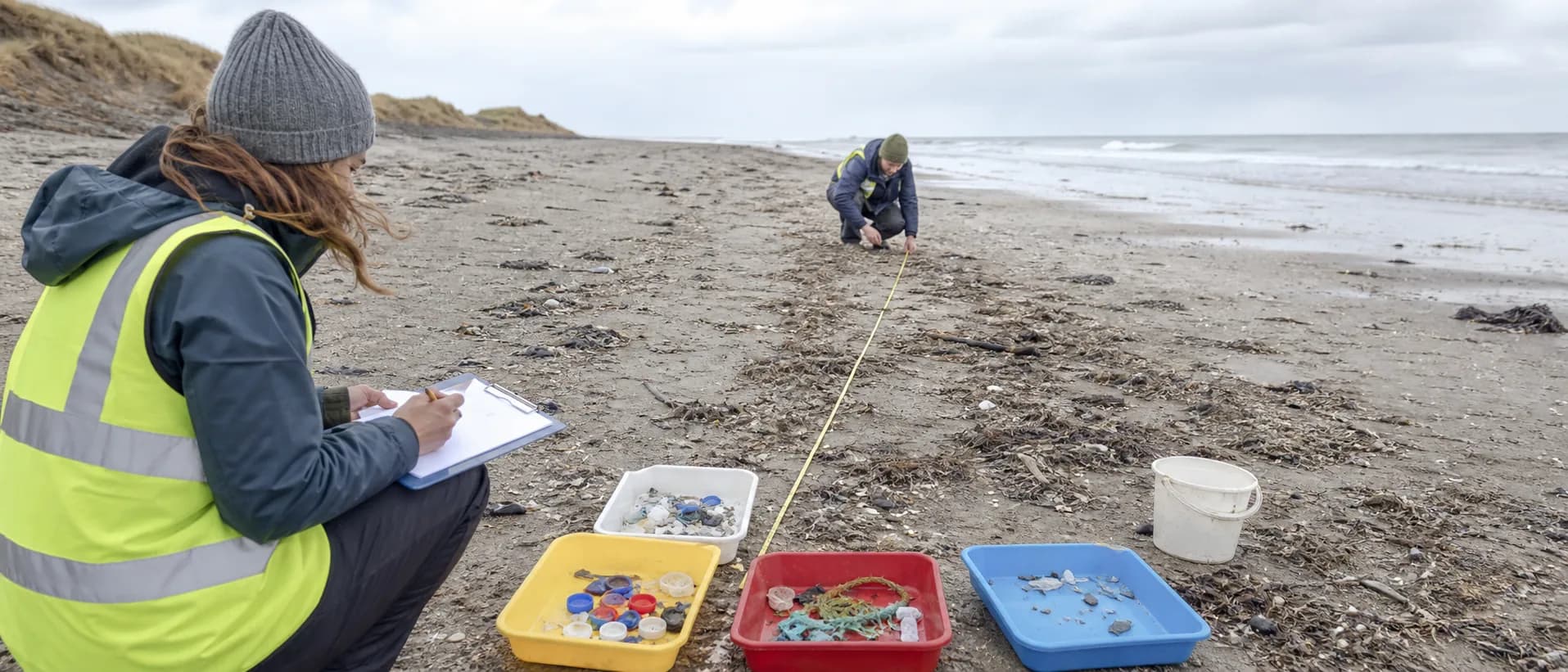
Hurricanes move debris across beaches, dunes, marshes, roads and private property. A shoreline that appears open after a storm may still have unstable structures, fuel, sewage, medical material, live wires and nesting impacts. Work through the emergency and land-management system before inviting volunteers or moving anything larger than safe ordinary litter.
Wait for access and tide information
Check the official reopening order, beach access, tide forecast, surf, flood warning and weather radar. Do not walk across a closed dune, damaged boardwalk or debris field to reach the water. Storm surge can leave soft edges and hidden holes long after the waves look calm.
Ask the park, municipality, refuge or private owner for the approved segment. Keep volunteers above the tide line and away from nesting, wrack and dune vegetation unless the manager gives different instructions.
Separate material by response level
Ordinary dry wrappers and bottles may be suitable for a supervised collection. Stop at fuel drums, propane cylinders, appliances, treated lumber, sewage-contaminated material, dead wildlife, medical waste, glass clusters and anything under tension. Do not open, drag, burn or bury storm debris.
Photograph large material from a safe distance and report it through the agency or emergency debris channel. Keep household documents, plates and identifying labels private. A public post should help people avoid the hazard, not turn it into a scavenger hunt.
Protect wildlife and the shoreline
Use existing access, walk around nests and avoid flattening wrack or dune plants. Do not remove natural driftwood or seaweed without instruction. Set bags above high water and confirm that a vehicle can leave before conditions change. Use a small work zone and a clear stop rule for lightning, rising tide, wind or poor visibility.
Publish an approved coastal cleanup with the tide window and exclusions. Map a recurring debris location from legal access, and add dated fixed views without promising that a storm-reshaped beach is stable.
The storm response is finished only when collected bags leave the shore through the confirmed route and hazardous material is handed to the right authority. Patience protects volunteers and keeps recovery from creating a second environmental problem.
Sources & further reading
- Marine debris removal — National Oceanic and Atmospheric Administration
- Disaster debris management — US Environmental Protection Agency
Access, prices and opening times change. Verify locally before you travel.
Tags
- hurricanes
- shoreline debris
- coastal cleanup
- safety
Background reading
Links to reference material and organisations we don't control.
- ReferenceBeach cleaningWikipedia
- OrganisationInternational Coastal CleanupOcean Conservancy
- VideoThe Ocean Cleanup on YouTubeYouTube
- OrganisationSurfrider Foundation — coastal protectionSurfrider Foundation