Black Sea beach cleanup: a sorting and safety guide
Plan a safer Bulgarian Black Sea cleanup with tide checks, clear sorting limits, honest data, safe handling and confirmed waste removal.
Recently verified — 12 August 2026
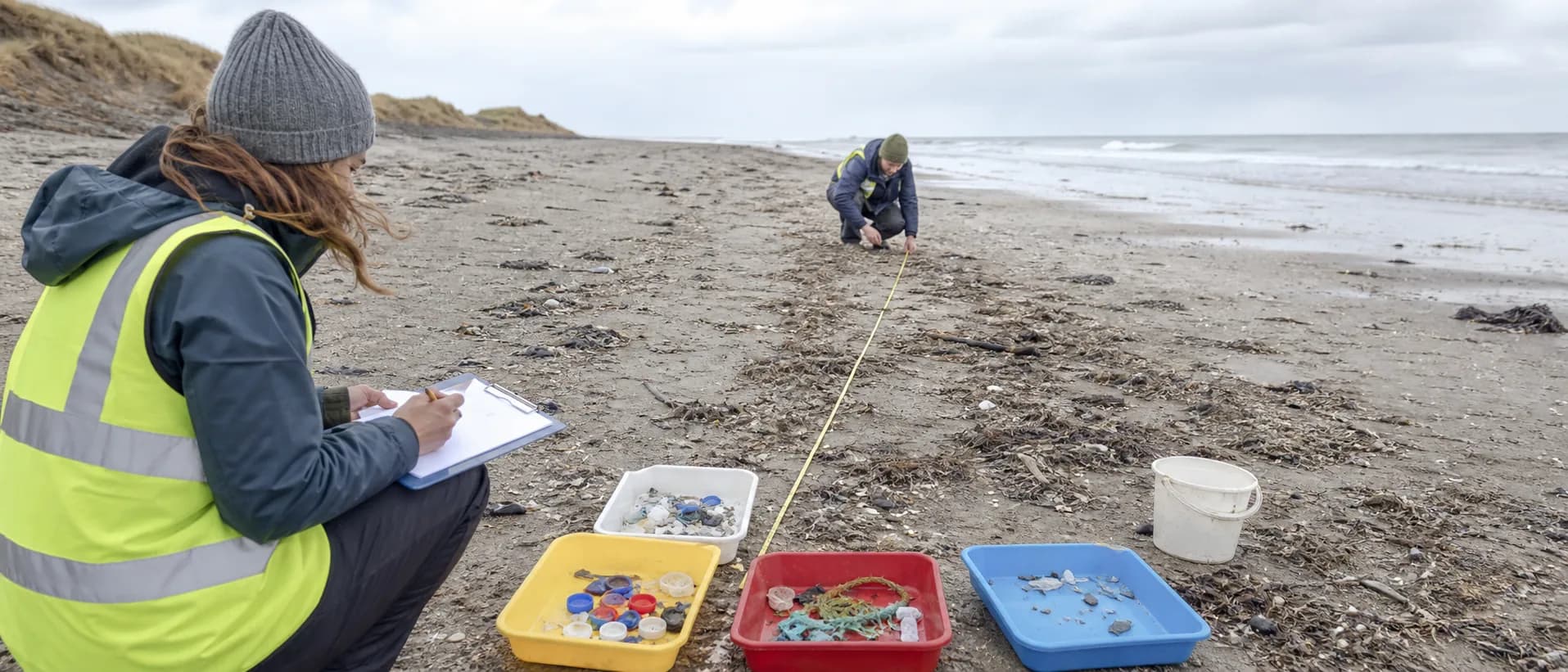
A beach cleanup on Bulgaria's Black Sea coast should have two separate plans: one for what volunteers can safely remove, and one for where the collected material will go. Check the tide, heat, wind, access and current bathing-water information before the group arrives. Then agree on categories, a hard stop for hazardous items and a named municipality, concessionaire, protected-area manager or collector for the handoff.
The European Environment Agency's 2025 Bulgaria factsheet describes monitored bathing-water quality; it does not certify that a particular beach is litter-free or that conditions are safe on the day of your cleanup. For a mid-August 2026 visit, use the Bulgarian Ministry of Health bathing-water register and the local manager's notices as current checks. A cleanup is not permission to enter the water or to remove material from dunes, vegetation or a closed area.
At a glance
Fix the segment before you count anything
Choose a section between recognisable access points, signs or structures. Record the date, start and end, approximate length, time, weather, wind, recent storm and whether the group worked above the strandline or across a wider area. The tide can move litter during the same session, so do not compare a morning count with an afternoon count as if they were identical.
Walk the boundary first. Mark dunes, nesting or restoration areas, private land, unstable cliffs, groynes, river mouths and any access point used by emergency or maintenance vehicles. Keep volunteers above the wet edge when waves are reaching the work area. Never send a group into the water, onto a breakwater or under a collapsed structure to retrieve one item.
Use the official bathing-water register for current public-health information, but do not read a “good” or “excellent” classification as a promise about marine litter. The EEA classification is based on defined microbiological parameters. It answers a bathing-water question, not whether a sharp hook, chemical container or broken glass is present on the sand.
Sort with a short, usable list
Set up clean sorting surfaces or labelled containers above the wave reach. Keep food, drink and personal bags away from collected material. Use a grabber for small pieces and puncture-resistant gloves where the organiser's risk assessment permits. Do not create a dozen categories that volunteers cannot apply consistently.
| Stream | Examples | Action |
|---|---|---|
| Packaging | Bottles, caps, cans, clean film and cups | Empty safely; follow the confirmed container or collector instructions |
| Fishing gear | Line, rope, net fragments, floats and hooks | Coil loose line; rigidly contain hooks; do not pull buried or submerged gear |
| Glass and sharp items | Bottles, shards, metal strips and foil edges | Use tools and a rigid container, never a soft hand-held bag |
| Sanitary or medical | Wipes, applicators, syringes or dressings | Isolate; do not touch ordinary-handed; follow the authority's procedure |
| Large or unusual | Tyres, drums, batteries, appliances, timber or unknown objects | Photograph from a safe distance and report; do not move |
The exact stream labels belong to the confirmed destination. Bulgarian packaging guidance says to follow the markings on the actual container and excludes batteries, electrical equipment, construction waste, hazardous household waste and heavily contaminated packaging from packaging containers. Do not promise recycling merely because a material has a familiar symbol.
Know when “do not touch” is the correct result
NOAA's marine-debris handling guidance uses a useful rule: if you do not know what an item is, do not touch it. Apply that principle to chemical drums, fuel or gas containers, leaking packages, pressurised cylinders, suspicious powder, dead animals, medical waste, large fishing gear under tension and anything embedded in a structure. Photograph it from a safe distance, record the location and contact the responsible authority or site manager.
Do not drag a net out of the sea, pull a rope from a dune, lift a soaked mattress or ask children to collect glass. Fishing line can hide hooks and leaders. If a line is attached to a live animal, nest, buoy, boat or vegetation, stop and contact the manager or a qualified wildlife responder. Do not handle stranded wildlife yourself.
Protect the beach while cleaning it
Leave natural wrack, shells and driftwood in place unless the land manager has specifically included them in the work. Seaweed and woody material can shelter organisms and help the beach function; a clean-looking bare line is not automatically a healthier shore. Do not rake the sand to chase tiny fragments, dig into dunes or widen an informal path.
Keep bags light enough to lift without back strain and close them before carrying. Use a trolley only on a route the manager permits; never drive over dunes or vegetation to shorten the distance. Put filled bags at the pre-agreed collection point outside wave reach and away from public paths, but only for the confirmed pickup window. If the pickup is delayed, keep the coordinator with the bags and call the collector or manager. Do not move them to the nearest random bin.
Make the record honest and repeatable
Count bags, not kilograms, unless you have actually weighed them. Record the number of volunteers, hours, segment length, dominant material, unusual hazards, weather and the items excluded. Photograph the same access and shoreline views before and after. A post-storm cleanup, a busy weekend cleanup and a calm-season survey answer different questions, so label them accurately.
The EEA data can help explain the difference between bathing-water monitoring and a litter survey. Your count is a field observation, not a national pollution rate. Repeat the same segment after the tourist season or after winter storms if you want a useful comparison.
For a documented local action, publish the cleanup meeting point and confirmed disposal plan on Garbamons; include the segment, access limits, what volunteers must bring and what the organiser will not ask them to touch.
Sources & further reading
- Bulgaria bathing water quality 2025 — European Environment Agency
- Marine debris handling guidelines — National Oceanic and Atmospheric Administration
- Marine litter — European Commission
- Questions and answers about packaging waste — Ministry of Environment and Water
Access, prices and opening times change. Verify locally before you travel.
Tags
- Black Sea coast
- beach cleanups
- marine litter
- volunteer safety
Elsewhere on the web
Links to reference material and organisations we don't control.
- ReferenceBeach cleaningWikipedia
- OrganisationInternational Coastal CleanupOcean Conservancy
- VideoThe Ocean Cleanup on YouTubeYouTube
- OrganisationSurfrider Foundation — coastal protectionSurfrider Foundation