Global e-waste statistics — the travel electronics hidden in the total
The 2024 Global E-waste Monitor explained, plus a repair, battery and lawful-disposal checklist for travellers and cleanup volunteers.
Recently verified — 2 August 2026
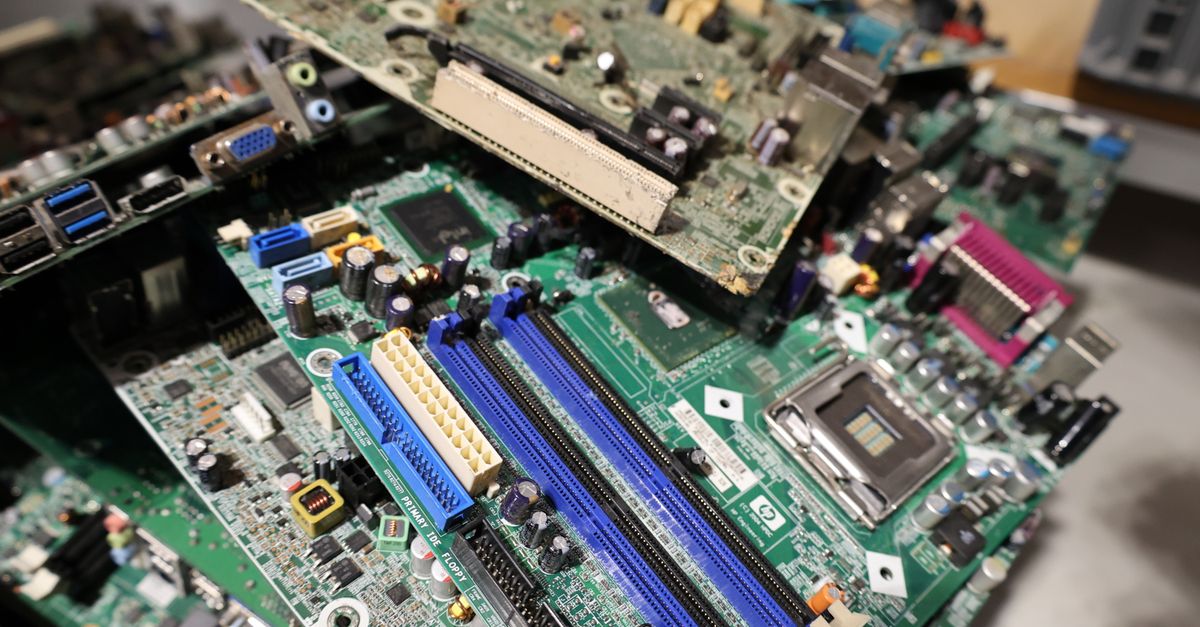
Discarded cameras, phones, GPS units, headlamps, power banks and vapes may look small beside a refrigerator, yet they belong to the same fast-growing waste stream. The UNITAR and ITU Global E-waste Monitor 2024 estimates that the world generated 62 million tonnes of electronic waste in 2022, 82% more than in 2010.
Only 22.3% of the 2022 mass was documented as formally collected and recycled. The report projects 82 million tonnes in 2030 if current trends continue, while the documented collection and recycling rate could fall to 20%.
What counts as electronic waste
The report uses a broad practical definition: a discarded product with a plug or battery. The stream includes temperature-exchange equipment, screens, lamps, large equipment, small devices, and small information-technology and telecommunications equipment.
Small devices accounted for 20.4 million tonnes in 2022—about one-third of total e-waste—with a documented recycling rate of 12%. Small IT and telecommunications equipment contributed 4.6 million tonnes, with 22% documented collection and recycling. These categories matter outdoors because a broken rechargeable light or disposable vape is easy to abandon and hard to see.
The “undocumented” share should not automatically be called landfill. It includes informal recovery and unknown routes as well as disposal. Informal processing can recover valuable material while exposing workers and communities to lead, mercury, refrigerants and unsafe burning.
Batteries change cleanup safety
A swollen, crushed or wet lithium-ion battery is not ordinary litter. Do not puncture it, put it loose in a pocket, or mix it into a bag where metal objects can bridge its terminals. A smoking, hissing or hot battery requires distance and emergency guidance, not volunteer transport.
For stable consumer batteries, follow the collection operator's instructions. Terminals may need non-conductive tape and each battery may need separate containment. Rules differ by chemistry and jurisdiction. Damaged packs often require a specialist route.
The traveller's prevention sequence
Buy fewer overlapping devices. Choose replaceable parts and standard charging where practical. Keep cables labelled, carry a protective case, update firmware before a remote trip and replace a weak battery through an authorised repairer rather than after it fails on the trail.
When crossing a border, do not assume a shop must accept an item bought elsewhere. Search the official municipal or producer-responsibility directory for the place where you will dispose of it. Never leave electronics beside a public bin or donate broken equipment as though it were reusable.
Map evidence without creating a hazard
If dumped electronics are found outdoors, photograph from a safe position and estimate categories rather than handling everything. Refrigerators can contain refrigerants; cracked displays and older equipment may contain hazardous components; fly-tipped solar equipment and vehicle batteries need professional collection.
After notifying the responsible authority, map the e-waste location with safe access notes and a clear hazardous-material warning when a public record will help. Do not publish serial numbers, personal data visible on screens or mail found nearby. A cleanup pin coordinates a response; it is not permission for scavenging or proof of lawful recycling.
Sources & further reading
- Global E-waste Monitor 2024 — UNITAR and ITU
Access, prices and opening times change. Verify locally before you travel.
Tags
- e-waste
- electronics
- batteries
- statistics
Further reading
Links to reference material and organisations we don't control.
- ReferenceRecyclingWikipedia
- ReferenceExtended producer responsibilityWikipedia
- ReferenceZero wasteWikipedia
- OfficialPlastics in Europe — briefings and dataEuropean Environment Agency