Volcanic coastlines can be fragile, culturally significant and physically unstable at the same time. On Hawaii's public lands, a respectful visit means following current closures, staying on marked routes, leaving rocks and sand in place, and treating coastal wildlife and local communities as part of the destination rather than scenery to consume.
Follow the active boundary
Check the park, county or landowner alert before travel. Lava fields, cliffs, steam, ocean entry points and coastal roads can change, and a previous visitor's route may now be closed. Do not cross a rope, warning sign or gate for a photograph. Wear suitable footwear and carry water; black lava can reflect heat and hide sharp edges.
Never approach active flow, unstable cliffs or a blowhole. Stay away from waves that break over lava benches. A calm ocean does not make a coastal ledge safe.
Leave geology and culture in place
Do not take rocks, sand, shells, coral or cultural material. Do not carve, stack stones or climb a site that is marked for protection. Learn the park's cultural guidance and follow the access rule for sacred or historic places. Photograph without touching and avoid publishing exact locations that could attract collecting or trespass.
Pack food and waste securely. Wind carries wrappers across lava and into the sea. Use official toilets and bins, and do not burn or bury waste in a barren-looking field.
Observe wildlife from a distance
Keep away from seals, turtles, seabirds and nesting areas. Do not block a route between an animal and the ocean, use flash at night, or encourage a crowd to approach. Call the manager or wildlife responder for an injured animal instead of attempting a rescue.
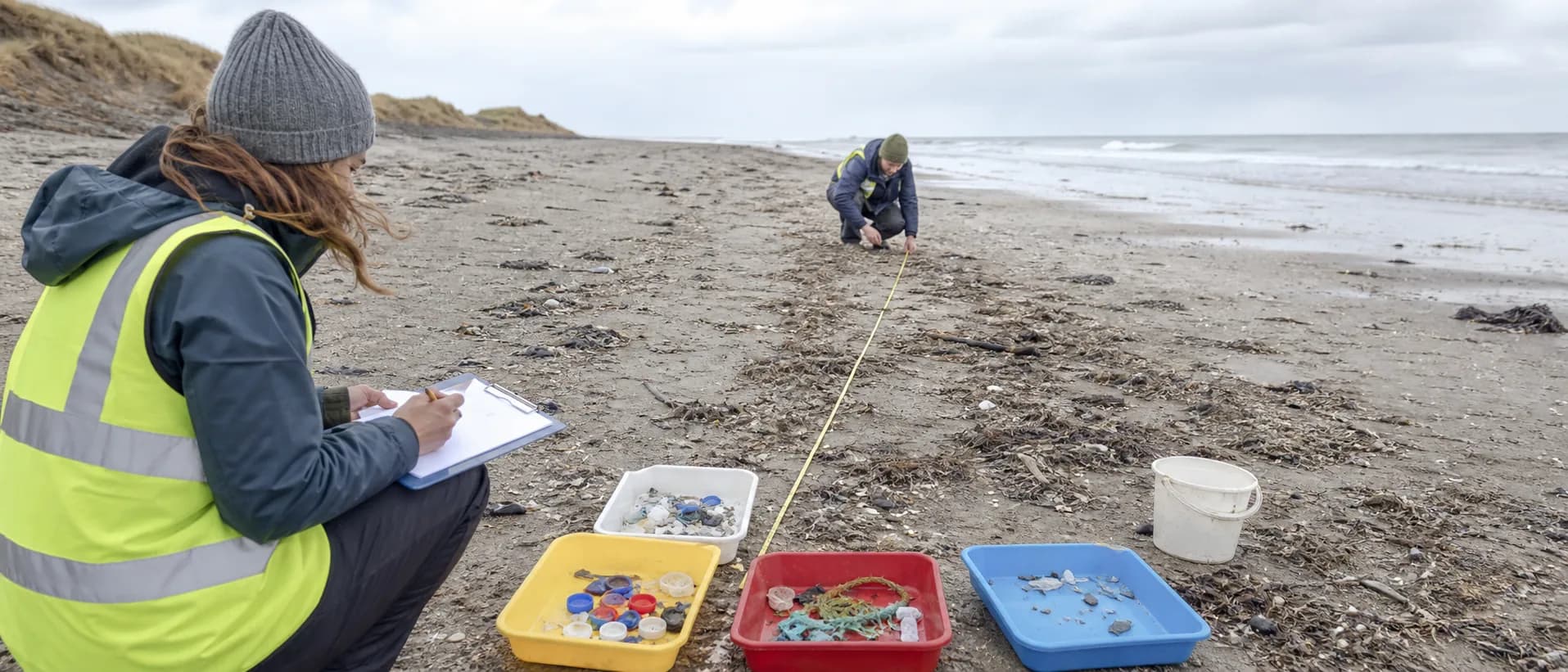
Add a dated volcanic-coast access report with official closure links. Publish a respectful landscape gallery without sensitive coordinates, and map safe coastal litter only from legal access and with wildlife exclusions.
The most responsible Hawaii travel souvenir is a memory and a clean pack. Leave the lava, sand, culture and wildlife where you found them, and let current local guidance outrank an old itinerary.
Sources & further reading
- Hawaii safety and stewardship — National Park Service
- Leave No Trace in national parks — National Park Service
Access, prices and opening times change. Verify locally before you travel.
Tags
- Hawaii
- volcanic coast
- responsible travel
- cultural respect
Elsewhere on the web
Links to reference material and organisations we don't control.
- ReferenceEcotourismWikipedia
- VideoNational Geographic on YouTubeYouTube
- ReferenceHawaiiWikipedia
- OfficialUS National Park ServiceNational Park Service