Machu Picchu: heritage access, water and waste without guesswork
Plan a respectful Machu Picchu visit around current tickets and circuits, altitude and heat, heritage rules, confirmed water, marked routes and all waste taken out.
Recently verified — 18 August 2026
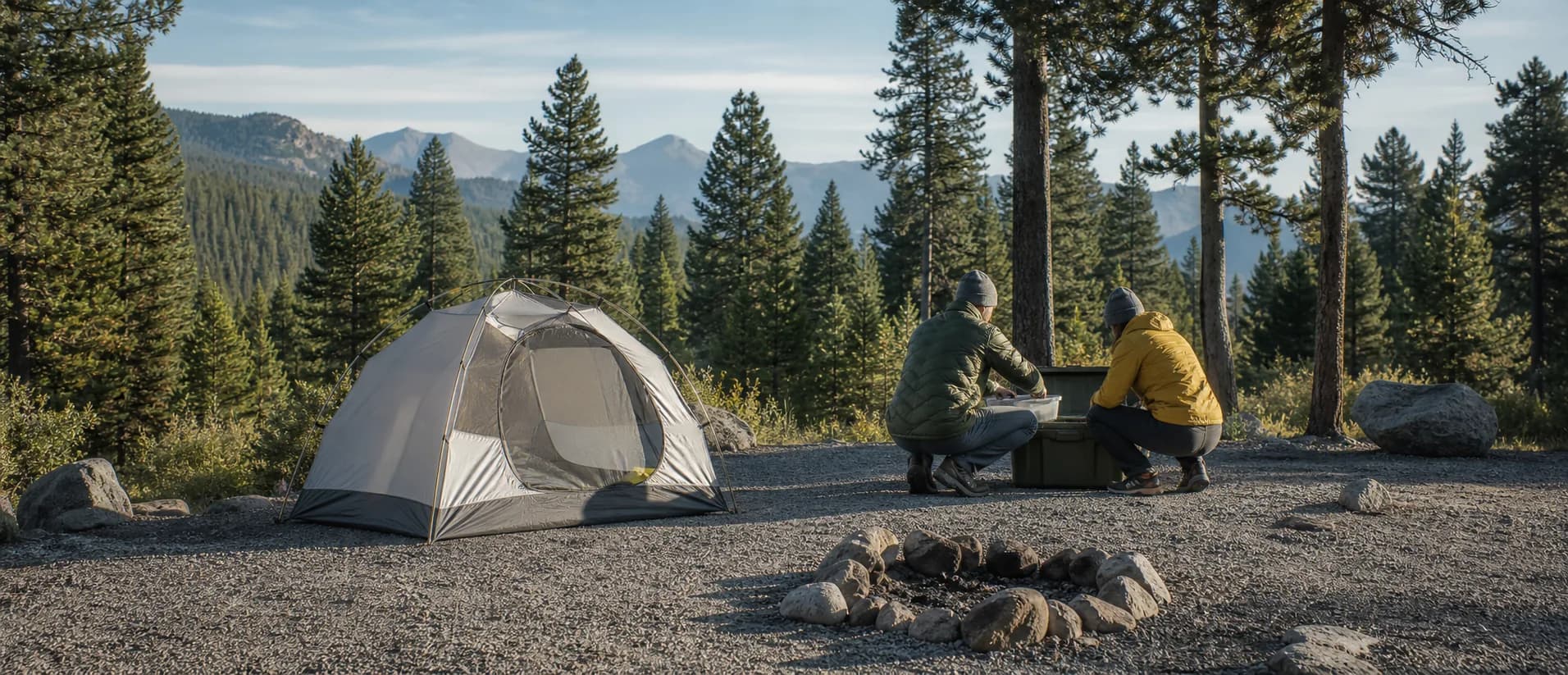
Machu Picchu is both a fragile archaeological place and a living mountain landscape. A ticket, a circuit or a clear morning does not remove the need to follow the current access system, protect the stone and vegetation, and plan for heat, altitude, rain and the return journey. Use official Peruvian information and the World Heritage guidance as the foundation, then make the day simple enough to follow when the site is crowded.
Confirm what the ticket actually permits
Access arrangements can change as the sanctuary manages conservation, crowding and route wear. Check the current Ministry of Culture information and the authorised ticket system for the date, entry time, circuit, transport and any guide requirement. Keep the confirmation available offline. A ticket for one circuit is not permission to enter another path or to return through a closed section.
Build time for queues, checks, rain and a slow group. Do not make a same-day flight or a tight connection depend on leaving at the last minute. If a path is closed, follow staff and use only the official alternative. A map, a hotel message or a photograph from a previous year cannot override a current instruction at the sanctuary.
Treat stone and vegetation as irreplaceable
Stay on the marked route and keep hands, poles, bags and tripods away from walls, steps and archaeological surfaces. Do not climb, sit on, lean against or touch masonry for a photograph. Never move a stone, plant or piece of soil, and do not enter a restricted room because another person has done so.
Keep the group’s voice low and follow the guide’s order around narrow passages. If a person ahead stops, wait in the permitted area instead of stepping onto grass or a wall edge. Ask before photographing workers or local residents, and do not turn a ceremony, shrine or cultural object into a prop.
Plan for altitude, sun and wet stone
Move at a pace that leaves room for the least comfortable person. Headache, nausea, unusual weakness, dizziness, confusion, poor coordination or breathlessness at rest are reasons to stop and seek qualified help, not to finish one more terrace. Carry water in a reusable bottle and know where the responsible authority confirms refills. Do not drink from an unmarked source.
Rain can make stone and stairs slippery, while sun and crowding can make a short route feel longer. Wear secure footwear, protect documents and keep a dry layer in a closed bag. Do not leave the authorised route to find shade, a quieter ledge or a better view. If the weather or your condition removes a safe return margin, leave early.
Carry the small waste that visitors forget
Bring a sealable bag for ticket receipts, snack wrappers, tissues, sanitary items and any wet or damaged packaging. Do not put food scraps into vegetation, feed birds or carry food openly near wildlife. If a bin is full or its use is unclear, keep the waste and ask staff. Never leave it beside a bin or at a transport stop.
Use the official toilets and follow the sanctuary’s instructions. Do not wash food, soap or sunscreen into drains or streams. Check your pockets, the space under a seat and the group’s meeting point before boarding transport. Small pieces of plastic are hard to find in a mountain landscape and easy for wind or water to move.
Publish a dated condition report
Record the date, ticket or circuit information you checked, entry time, queues, weather, surface, water, toilets, waste points, barriers and any official closure. Separate your observation from a general claim: “staff redirected visitors at the east junction at 11:10” is useful; “the route is always closed” is not. Do not publish an unofficial shortcut, a sensitive archaeological detail or a location where people are climbing.
For a small and safe litter issue, add a dated place report in Garbamons with the permitted access point. Respect at Machu Picchu is practical: preserve the stone, follow the current route, carry the waste and leave enough time for the mountain to change your plan.
Sources & further reading
- Machu Picchu master plan 2026–2031 — Peruvian Ministry of Culture
- Historic Sanctuary of Machupicchu — UNESCO World Heritage Centre
- Ministry of Culture of Peru — Peruvian Ministry of Culture
Access, prices and opening times change. Verify locally before you travel.
Tags
- Machu Picchu
- World Heritage
- access planning
- heritage etiquette
- low-waste travel
Beyond this page
Links to reference material and organisations we don't control.
- ReferenceEcotourismWikipedia
- VideoNational Geographic on YouTubeYouTube