What to do when hazardous waste is found outdoors
Recognize outdoor chemical, medical, fuel and pressurized waste, keep people away, report it and avoid placing it in ordinary cleanup bags.
Recently verified — 3 August 2026
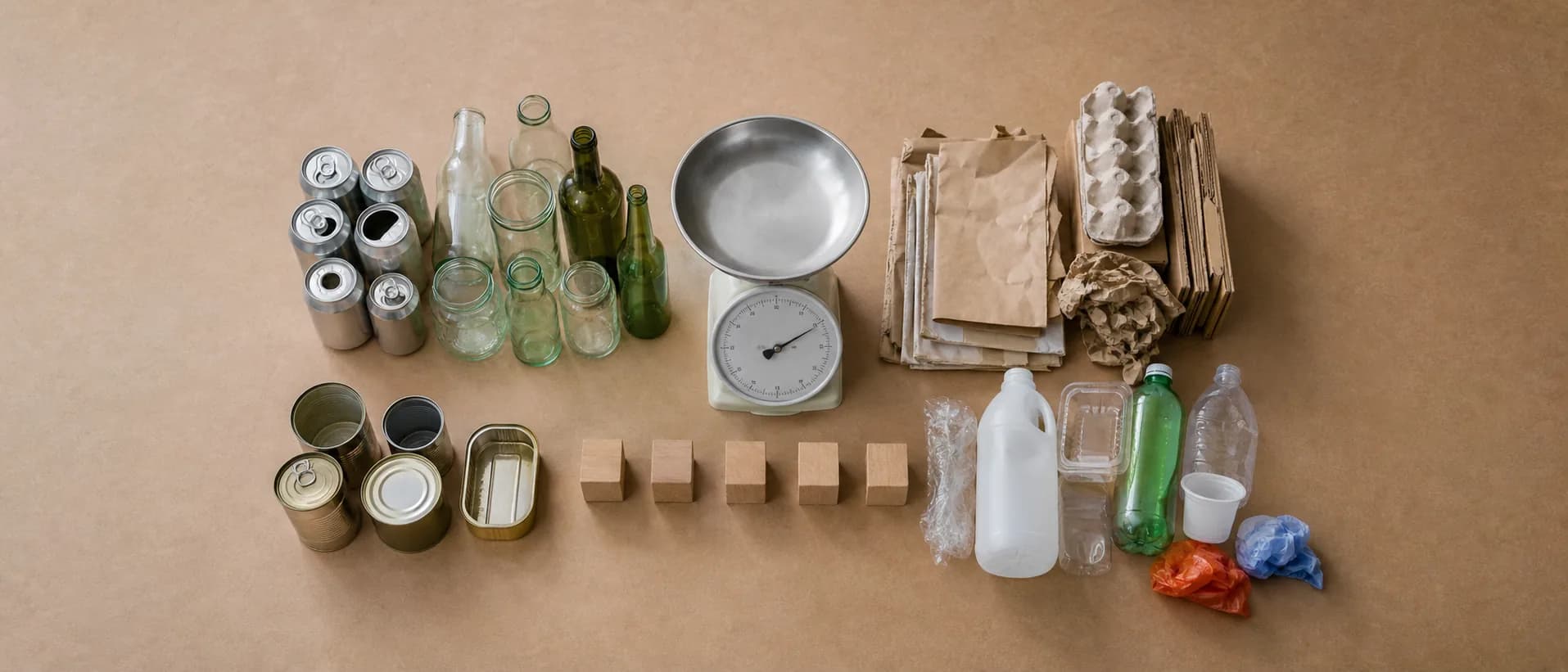
Outdoor cleanup teams need a clear boundary between ordinary litter and hazardous waste. Paint, fuel, pesticides, batteries, solvents, medical material, propane cylinders and unknown sealed containers can harm a volunteer, a waste truck or the receiving facility. The correct action is usually to isolate the area and report it, not to carry it to the nearest bin.
Recognize stop signs
Stop when you see a chemical smell, liquid leak, damaged battery, cylinder, syringe, ammunition, biological residue, asbestos-suspect material or a container with an unreadable label. Do not touch, open, sniff, shake, puncture or photograph from close range. Keep people and pets upwind and away from low places where vapors could collect.
If there is an immediate fire, explosion, poisoning or active spill risk, contact emergency services. Otherwise notify the land manager, municipality or environmental office through its non-emergency channel. Describe the location and visible condition without guessing the contents.
Protect the cleanup boundary
Mark the location only in a way the authority permits. Never move the item to make a trailhead look clean. Keep ordinary bags, food and water away from the area. Do not place hazardous material in a vehicle, public toilet, recycling bin, fire ring or storm drain.
Photograph from a safe public position if requested, but avoid faces, plates, personal paperwork and private property. A logo or address on a container is information for investigators, not evidence that a person is responsible.
Use the correct disposal program
Household hazardous-waste programs have local lists, quantity limits and appointment rules. EPA guidance is a starting point, not a guarantee that a specific facility accepts an outdoor dump or commercial material. Wait for instructions before transport. Keep batteries, electronics and chemicals separate only when the receiving facility says how.
Record the location with a hazard warning only if public mapping will not expose people to it. Publish a cleanup after the authority clears the ordinary-litter portion, and add a dated access note when travelers need to avoid a closed segment.
Follow up through the case number and update the map when the authority confirms removal. A responsible cleanup report is measured by the hazard reaching the right response team, not by how many bags volunteers carry.
Sources & further reading
- Household hazardous waste — US Environmental Protection Agency
- Report environmental violations — US Environmental Protection Agency
Access, prices and opening times change. Verify locally before you travel.
Tags
- hazardous waste
- public safety
- disposal
- cleanups
Further reading
Links to reference material and organisations we don't control.
- ReferenceRecyclingWikipedia
- ReferenceExtended producer responsibilityWikipedia
- ReferenceZero wasteWikipedia
- OfficialPlastics in Europe — briefings and dataEuropean Environment Agency