Hazardous waste at a community cleanup — what volunteers should not touch
A field safety guide for needles, chemical containers, batteries, asbestos, propane cylinders and unknown waste found during US cleanups.
Recently verified — 31 July 2026
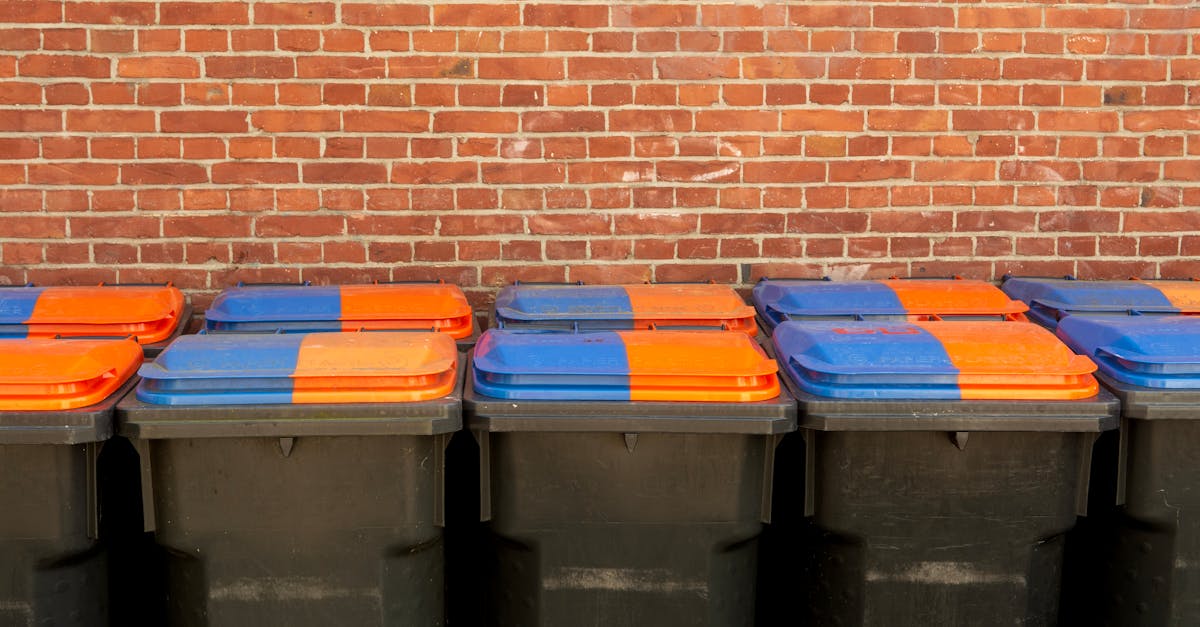
A volunteer cleanup is designed for ordinary litter. It is not an improvised hazardous-material response. The most important field skill is knowing when to stop.
Unknown liquids, leaking drums, damaged batteries, suspected asbestos, explosives, pressurized cylinders and medical waste can injure people during lifting, transport or compaction. Moving them can also erase information responders need. Keep volunteers back, record the location from a safe position and contact the land manager or emergency service appropriate to the immediate risk.
The stop-and-escalate list
- Needles and sharps: never pick up by hand or place loose in a trash bag.
- Chemical containers: do not open, sniff, pour out or combine contents.
- Lithium batteries: isolate damaged, swollen, hot or smoking batteries and call for professional advice.
- Propane cylinders and aerosols: treat as pressurized even when they appear empty.
- Suspected asbestos: do not break or create dust; leave material undisturbed.
- Ammunition or explosives: back away and contact law enforcement.
- Unknown powders or drug-lab waste: do not touch; leave the area.
- Large dead animals or biological waste: follow the land manager's protocol.
Sharps require a local procedure
The FDA recommends an FDA-cleared sharps container where possible and directs people to community disposal options. Cleanup organizers should speak to the health department or site owner before the event, designate trained adults, and provide an approved container. A drink bottle is not a universal substitute; local rules control.
If no procedure and trained handler are in place, mark the area, keep participants away and report it. Children should never be assigned to search vegetation where hidden sharps are plausible.
Household hazardous waste is still hazardous outdoors
EPA describes household hazardous waste as leftover products that can catch fire, react, explode, or be corrosive or toxic. Paints, cleaners, oils, pesticides and batteries are common examples. A county HHW event may accept material from residents but refuse abandoned waste, business waste or an unannounced truckload from a public cleanup.
Ask before transporting anything. The agency may need to collect it in place, document illegal dumping or use a licensed contractor.
Build a safety perimeter without disturbing evidence
Use visible landmarks and coordinates. Photograph from a safe distance without handling labels or lids. Note odor only if detected naturally—never approach to smell. Record container size, quantity, leakage and proximity to water, roads or public use.
Do not publish close-up directions to an immediately dangerous site and assume that solves it. Notify the responsible authority first. Afterward, add a public cleanup-location report with safe access notes if doing so will help track resolution and will not invite exposure.
Brief every volunteer
Before work begins, say exactly:
- Ordinary litter goes in the designated bags.
- Glass and sharp metal are handled only with tools and suitable containers.
- Needles, chemicals, batteries and pressurized items are pointed out, not picked up.
- Nobody enters traffic, moving water, unstable slopes or dense brush alone.
- The safety lead can stop the event.
Provide closed-toe footwear, task-appropriate gloves, eye protection where brush or fragments are present, handwashing and a first-aid plan. Gloves reduce ordinary contact; they do not make unknown chemicals safe.
Document the handoff
Record who was notified, when, the reference number and what the authority asked the group to do. Keep hazardous material out of bag and weight totals unless a professional has classified and removed it. In the event recap, state that it was reported, not “cleaned,” until the responsible agency confirms removal.
The best cleanup leaves the site safer. Sometimes that means filling bags. Sometimes it means not touching the one object that needs a trained response.
Sources & further reading
- Household Hazardous Waste — US Environmental Protection Agency
- Community options for safe needle disposal — US Food and Drug Administration
Access, prices and opening times change. Verify locally before you travel.
Tags
- hazardous waste
- cleanup safety
- sharps
- illegal dumping
Beyond this page
Links to reference material and organisations we don't control.
- ReferenceRecyclingWikipedia
- ReferenceExtended producer responsibilityWikipedia
- ReferenceZero wasteWikipedia
- OfficialPlastics in Europe — briefings and dataEuropean Environment Agency