How to report illegal dumping in the United States
What to document, which local or federal authority to contact, when to call 911, and how to turn a dumping report into a safe cleanup plan.
Recently verified — 31 July 2026
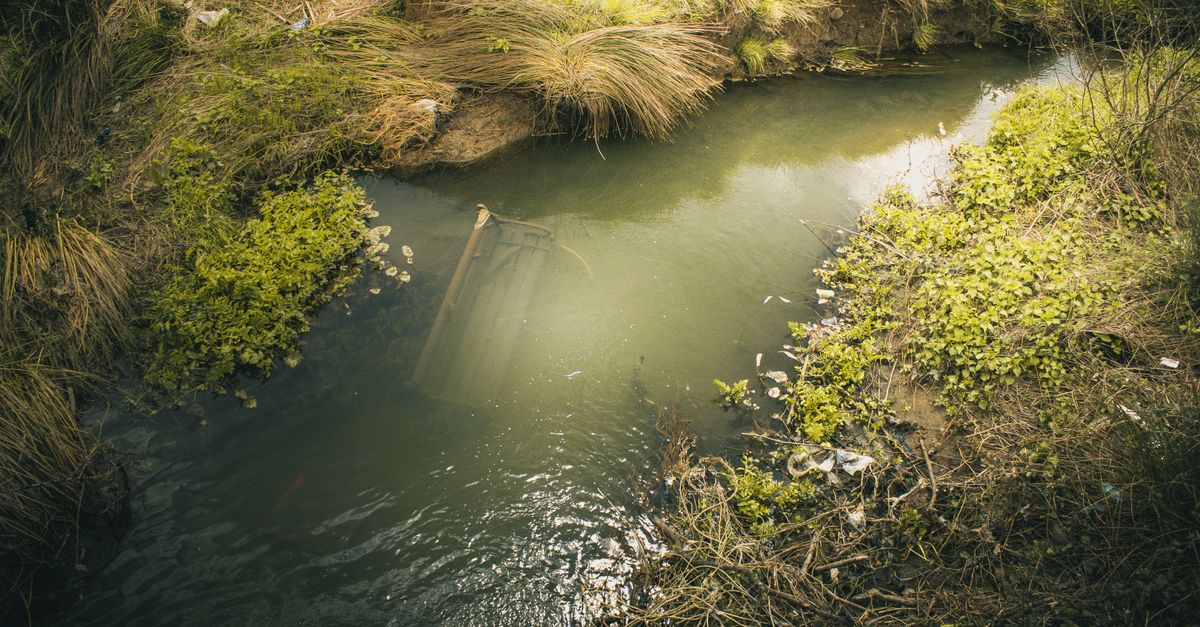
Illegal dumping is local in appearance but complicated in jurisdiction. A pile beside a city road, on county land, inside a national forest and on BLM land may require four different reporting routes. Start with the land manager, not a random cleanup.
If dumping is in progress, involves immediate danger, fire, fumes, weapons or a threatening person, move away and call 911. Do not confront anyone or block a vehicle.
Record useful evidence safely
From a public and safe position, capture:
- coordinates or a precise road, trail and landmark description;
- overview photographs showing scale and access;
- the apparent material types and approximate volume;
- leakage, smoke, odor detected from a distance, or proximity to water;
- date and time observed;
- vehicle or plate details only if they can be noted without confrontation.
Do not open bags, search mail for names, touch containers or enter private property. A volunteer is not an investigator.
Find the responsible authority
City or county land
Use the public works, sanitation, code enforcement or non-emergency service listed by the municipality. Many cities route dumping through a 311 system. Search the official .gov site for “illegal dumping,” not a generic national form.
State road or state park
Contact the state transportation department for a highway right-of-way or the park office for park land. Mile markers, direction of travel and nearest exit are more useful than a street address on a rural road.
Federal public land
Use the unit or field office. BLM has a page for reporting crimes on BLM-managed land. National forests publish ranger-district contacts, and national parks provide a park dispatch or contact page. The badge on a nearby sign or the official map can settle which agency manages the parcel.
A broader environmental violation
EPA's enforcement site accepts tips about possible environmental violations. EPA explicitly says emergencies should go to 911 and the National Response Center is the federal point for oil and chemical spills. A general EPA tip does not replace local notification or an emergency call.
Do not move the waste first
Dumped roofing, chemical containers, batteries, cylinders and unknown drums may need special handling. Even ordinary material may be part of an enforcement case. Ask the receiving authority whether the site can be touched, who will supply a container, and where collected material will go.
If the authority approves volunteer removal, convert the report into a plan: vehicle access, tools, traffic control, safe exclusions, destination and confirmed collection time. Create a mapped community cleanup event with the meeting point and disposal plan so volunteers receive one consistent set of instructions.
Add a public map record thoughtfully
After official notification, pin the dumping location with photographs, difficulty and estimated bags. Include the agency case number if it is safe to publish. Do not share personal information, evidence taken from inside bags, or directions that could expose people to a hazardous site.
A public report is useful for tracking status and organizing an approved cleanup. It is not a substitute for contacting the agency with legal responsibility.
Follow through
Save the confirmation number. Recheck after the promised response window, ideally from the same safe viewpoint. When removal is complete, update the mapped record with a date and after photograph. If some material remains, describe it precisely rather than marking the entire location clean.
Good reporting turns “there is trash somewhere off this road” into a location, a responsible agency, a risk description and a verifiable outcome.
Sources & further reading
- Report environmental violations — US Environmental Protection Agency
- Report a crime on BLM-managed public land — Bureau of Land Management
Access, prices and opening times change. Verify locally before you travel.
Tags
- illegal dumping
- environmental reporting
- public lands
- cleanup map
Background reading
Links to reference material and organisations we don't control.
- ReferenceIllegal dumpingWikipedia
- OfficialTrash-Free WatersUS EPA
- OfficialBulgarian Ministry of Environment and WaterMOEW