The last weekend of August in Bulgaria: a lower-impact outdoor plan
Plan a realistic late-August day in Bulgaria with current weather and access checks, enough water, reusable food containers and a simple way to take all waste home.
Recently verified — 18 August 2026
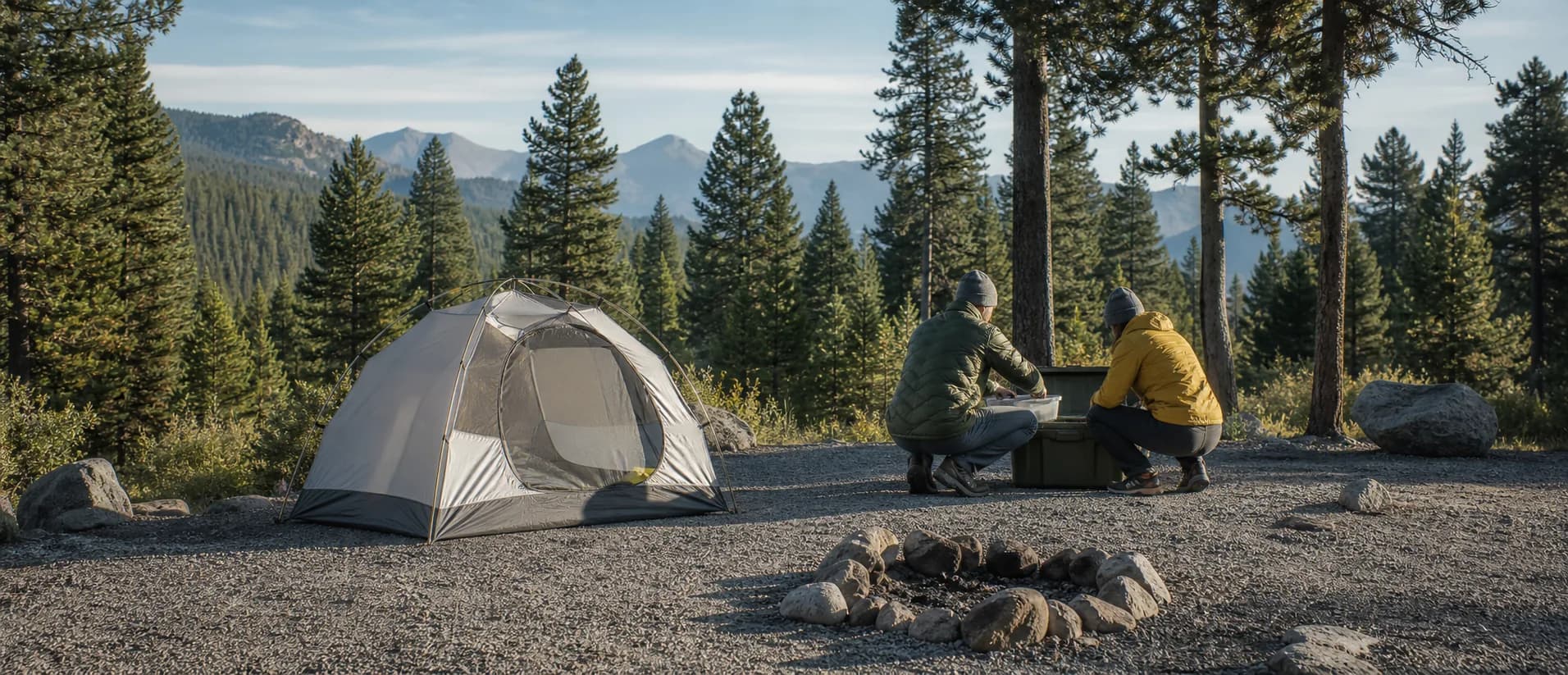
The last weekend of August is an easy time to over-plan. A cool-looking forecast can still mean hot roads, a crowded coast, a dry mountain spring or a thunderstorm building over exposed ground. Choose the kind of day first, then choose a place whose current access, water and retreat options match your group.
This is a planning guide, not a declaration that any route, beach or campsite is open. Check the responsible park, municipality, campsite or protected-area manager before leaving, and treat an old review or a beautiful photo as background rather than current evidence.
Choose the kind of day before choosing a place
The best option is often the one with an easy exit. A shorter walk near public transport can be a better August day than a longer route that depends on one late bus, one unverified spring or a summit window that disappears in cloud. Build the plan around the least experienced or least heat-tolerant person, not the fastest walker.
Check four things on the morning
Start with the local weather warning, not only the temperature in the town where you live. Read the forecast for the municipality or mountain area, check for thunderstorms and wind, and look again before setting off. If the forecast changes in a way that removes your safe return, change the plan without treating that as a failed day.
Confirm the access point and the way home. A forestry gate, seasonal road closure, bus timetable, parking rule or protected-area restriction can turn a simple destination into a long walk on a hot surface. Do not use an unofficial shortcut through a closed area just to preserve the original itinerary.
Confirm water rather than assuming it. A tap may be dry, seasonal or marked as non-potable; a spring that flowed in July may not be reliable at the end of August. Carry enough for the first part of the day and treat an unverified source as scenery, not supply.
Finally, decide where waste will go before you pack food. If a campsite, beach or trailhead bin is full, your plan should already include carrying everything to a confirmed collection point. Never balance a bag on a full bin or leave it beside a road, stream or park entrance.
Pack a smaller, reusable system
Pack one bottle or bladder you can clean, a small reserve, food in reusable containers and a sealable bag for wrappers, tissues and leftovers. Keep the waste bag separate from food and clothing. Bring a cloth or small towel that can be washed, rather than a stack of disposable wipes for every minor spill.
For an August drive, keep perishable food cold in a closed cooler and plan the most perishable meal first. Do not leave the box in a parked car during a beach stop. Shelf-stable food is a sensible fallback when a long transfer, late check-in or storm makes the cold chain uncertain.
Use durable surfaces and established access. Do not widen a muddy line, cross a dune or enter a closed meadow for a better photo. Keep dogs controlled where wildlife or other visitors need space, and leave natural objects, plants and archaeological features where you found them.
Make a useful note after the visit
Write down what you actually observed: date, access, surface, water availability, crowding, full bins, closures and the point at which you turned around. Separate an observation from a conclusion. “Tap dry on 29 August” is useful; “there is no water here” is a claim that needs broader evidence.
If a place needs a follow-up, add a dated place report in Garbamons with the access detail and the limits of what you checked. If there is a safe, coordinated cleanup need, report it with a precise location rather than sending people into an unassessed area.
The last weekend of August does not need to be a final test of summer. A shorter route, a cooler start, a confirmed way home and one full waste bag carried back are enough to make the day enjoyable and useful to the people who come after you.
Sources & further reading
- Local dangerous-phenomena warnings — National Institute of Meteorology and Hydrology
- General information about protected areas — Ministry of Environment and Water
- Heat and sunstroke advice — Bulgarian Red Cross
- Tents and camping on the beach — Ministry of Tourism
Access, prices and opening times change. Verify locally before you travel.
Tags
- Late August
- Bulgaria outdoors
- low-waste travel
- weather checks
- day trips
Elsewhere on the web
Links to reference material and organisations we don't control.
- ReferenceEcotourismWikipedia
- ReferenceMeteor showersWikipedia
- VideoPBS Terra — landscapes and climateYouTube