Never burn cleanup trash in a fire pit
Why plastic, garbage, construction waste and yard waste do not belong in a US recreational fire, plus a safer disposal plan for cleanup organisers.
Recently verified — 24 August 2026
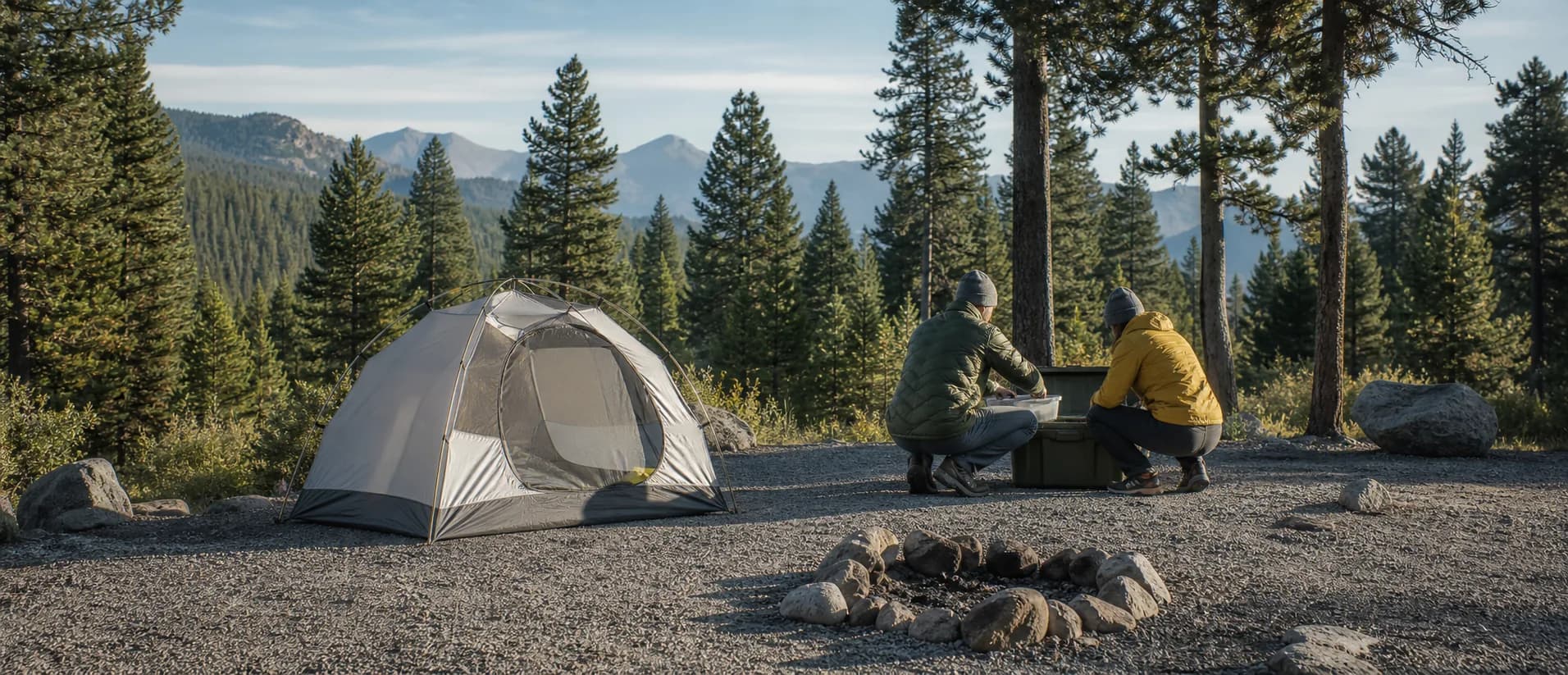
A cleanup pile is not firewood. In the United States, the US Environmental Protection Agency's recreational-fire guidance says never to burn construction waste, plastic, garbage or yard waste. A fire pit designed for clean, seasoned wood is not a waste-treatment facility.
Open burning releases pollutants without the controls used at a permitted waste facility. EPA says backyard waste burning can create higher levels of dioxins than industrial incinerators and releases pollutants at ground level, where people can inhale them or carry them into the food chain. The ash is not a harmless shortcut either.
The cleanup rule is simple
Do not burn any of these in a recreational fire:
- Plastic bags, wrappers, bottles, foam or coated packaging.
- Treated, painted or construction wood.
- Rubber, textiles, furniture, mattresses or electronics.
- Food waste, yard waste or wet litter.
- Batteries, aerosols, fuel containers, chemicals or unknown material.
Removing a visible plastic bottle before burning the rest does not make a mixed cleanup pile safe. Paper and cardboard can carry coatings, inks, food residue and hidden materials. The organiser should decide the disposal route before volunteers arrive, not after the last bag is full.
Build the disposal plan before the event
Ask the land manager or local solid-waste service what it accepts. Confirm whether ordinary litter, recyclables, bulky waste and yard waste have separate routes. Write the receiver, volume limit, bag type, pickup time and fallback contact into the event plan.
If the site has a legal recreational fire, tell volunteers that it is for the approved fuel only. Store collected waste well away from sparks, firewood and cooking areas. Keep a separate container for ordinary litter and never use the fire ring as a temporary bag stand.
Do not bury bags or ash. Do not scatter ash in a garden or on a trail. EPA notes that ash from backyard burning can contain toxic metals, and rain can carry contaminants into soil and water. If ash already exists at a suspected burn site, photograph it from a safe position, keep people away and ask the land manager or environmental authority for instructions.
Handle the items that do not belong in a volunteer bag
Stop for sharps, chemicals, suspected asbestos, pressurised cylinders, explosives, leaking containers, damaged batteries and medical waste. Use distance and a location record instead of lifting. The land manager or an authorised contractor needs to decide the removal route.
Clean ordinary litter still needs a destination. Separate materials only when the receiver accepts them. A blue container or a recycling symbol is not enough. Record whether each stream was collected, delivered, accepted or rejected.
If a group is working on public land, publish the fire and disposal limits with the event. A clean campsite leaves no burn barrel, melted plastic or ash pile behind. That is the standard worth putting in the volunteer brief.
Sources & further reading
- Dioxins Produced by Backyard Burning — US Environmental Protection Agency
- Backyard recreational fires — US Environmental Protection Agency
- Backyard Burning — US Environmental Protection Agency
Access, prices and opening times change. Verify locally before you travel.
Tags
- trash burning
- cleanup safety
- fire pits
- waste disposal
Further reading
Links to reference material and organisations we don't control.
- ReferenceRecyclingWikipedia
- ReferenceExtended producer responsibilityWikipedia
- ReferenceZero wasteWikipedia
- OfficialPlastics in Europe — briefings and dataEuropean Environment Agency