New England trail stewardship — mud season, alpine zones and volunteer work
How hikers and cleanup groups can protect trails from Maine to Connecticut by respecting closures, staying on tread and separating litter pickup from maintenance.
Recently verified — 31 July 2026
New England's dense trail network crosses town forests, state parks, national forest, private easements and volunteer-club corridors. The sign at the trailhead may represent a partnership, but it also tells you who to ask before organizing work.
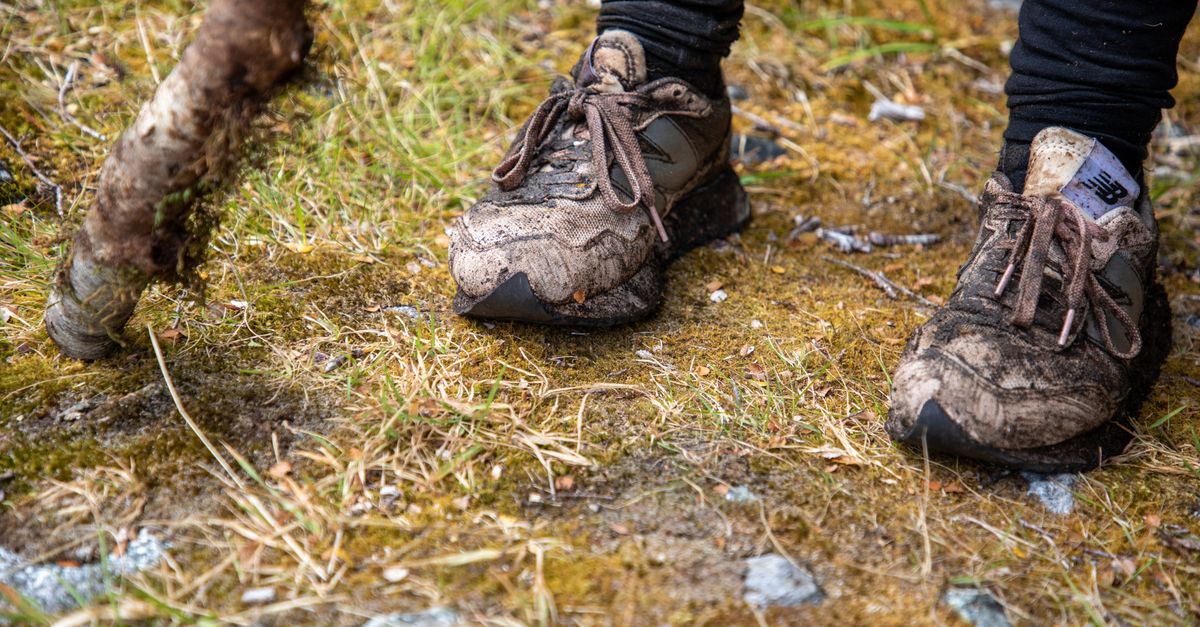
The region's wet freeze-thaw cycle creates one recurring stewardship problem: hikers step around mud, widening a narrow trail into a braided corridor. Seasonal closures and mud-season advisories exist to avoid damage when saturated tread cannot support traffic.
Check the manager and trail club
Identify both the landowner and the organization maintaining the route. Contact them before a cleanup. A club may already have an adopter, work schedule and approved tool system. Litter pickup can often join that structure; unauthorized brushing, blazing or drainage work cannot.
Respect mud-season guidance
When a trail is closed, choose another route. When it is open but muddy, stay on the established tread if the manager advises it; detouring through vegetation widens impact. Waterproof footwear is a trail-protection tool.
If conditions are causing severe erosion, turn back and submit a dated report rather than engineering a solution with loose logs and stones.
Keep maintenance under trained leadership
Water bars, stepping stones, bog bridges, blazes and brushing have specifications. A change that seems helpful can redirect water or confuse navigation. Join the managing club's workday for those tasks.
For litter-only work, define the corridor, maximum carry, no-touch items and bag pickup. Broken glass around a roadside overlook is different from a heavy dump miles into a mountain route.
Plan for hunting, weather and daylight
New England trails can cross land open to hunting. Follow local requirements and wear visible clothing in season. Build turnaround time around short autumn daylight and fast-changing mountain weather.
Pack out food scraps and hygiene items. Do not leave bags at shelters or trailheads unless collection is explicitly arranged.
Make observations useful
Add a dated trail-condition report for mud, bridge damage, parking or a closure. Use careful language: what you observed on July 7 is not a permanent route description.
For a larger litter site, map the location with walking distance, difficulty and estimated bags. If the manager approves volunteers, publish the workday with the club's instructions and meeting point.
Close the season without leaving caches
Autumn and winter work needs an earlier turnaround, spare insulation and a plan for frozen or snow-covered tread. Do not cache bags, tools or blaze paint for spring unless the maintaining organization has a documented storage system. Snow can hide them, move them and expose wildlife to food-contaminated material.
At shelters and campsites, report overflowing privies, damaged bear storage and illegal fire rings to the managing club. Do not add lime, burn waste or rebuild a structure. Pack out ordinary litter only within the weight the team can carry safely.
When spring arrives, let the club decide when saturated roads and trails can support volunteers. Delaying a popular workday can protect both the approach road and the footpath from a season of ruts.
New England's trails remain passable because local maintainers do quiet, standards-based work. The most helpful visitor follows their closure, stays on the tread and reports the problem before reaching for a saw or shovel.
Sources & further reading
- Leave No Trace — US Forest Service
- Volunteer with the National Park Service — National Park Service
Access, prices and opening times change. Verify locally before you travel.
Tags
- New England
- trail stewardship
- mud season
- hiking
Further reading
Links to reference material and organisations we don't control.
- ReferenceHikingWikipedia
- ReferenceTrailWikipedia
- OrganisationThe seven Leave No Trace principlesLeave No Trace
- VideoREI — skills and gear explainersYouTube