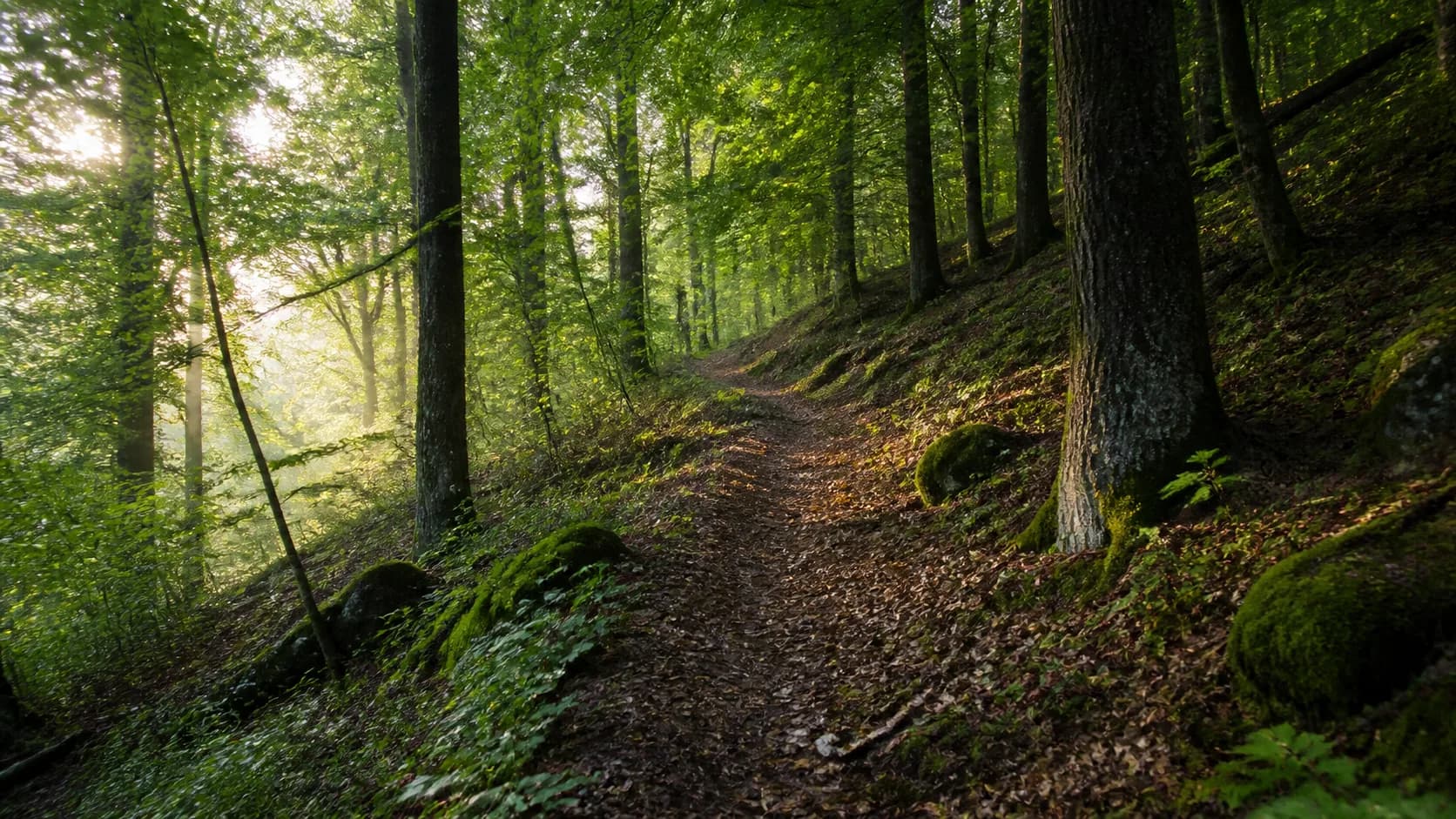
Strandzha rewards a slower day. The roads between villages, shaded forest tracks and river valleys can look close on a map but take longer than expected. Build the visit around one marked walk, a lawful stopping place and enough daylight to return without inventing a shortcut.
Choose the access point first
Start with a named village, visitor facility or marked trailhead. Confirm where a car can stay without blocking a house, forestry gate, farm entrance or emergency access. If the route crosses a protected area, use information from the park directorate and the signs at the site. A user-submitted pin can help you find a starting area, but it cannot grant permission.
The mountain covers a wide area. Do not plan to combine several distant viewpoints, a long forest walk and a beach stop in one loose afternoon. Pick the part of Strandzha that fits the daylight and the group's pace. Leave a buffer for slow roads, livestock, a closed gate and a return to the vehicle.
Treat water as uncertain
A spring beside a path may be dry, muddy or unsuitable for drinking. Carry your own water and treat an unverified source as scenery unless you have current information and a method that matches the likely hazards. Do not wash greasy dishes, soap or sunscreen into a stream. Keep food and drinks away from the water's edge so wildlife does not learn to associate a picnic with people.
The same caution applies to a river crossing. Never use a familiar photograph as proof that the water level is safe today. If rain has raised the river, choose the retreat route you already know or end the walk. A forest walk is not improved by forcing a crossing at the last possible point.
Leave the quiet intact
Strandzha's value is easy to damage through many small decisions. Stay on the established path instead of widening it around mud. Keep voices low near streams and forest edges, control dogs where the local rules require it, and never play recordings to draw out birds or other wildlife. Do not approach nests, animal shelters or old trees just because a location is popular online.
Skip drones in places where they would disturb wildlife or other visitors. Photograph trail signs, surfaces and public facilities when that helps explain the visit. Keep sensitive wildlife locations broad in a public report. If you find a damaged barrier, illegal dumping or a dangerous fallen tree, record it from a safe distance and send it to the responsible manager rather than moving it yourself.
Plan the return before the view
Forest light changes quickly late in the day. Carry a headlamp, offline directions and a charged phone, even for a short route. Agree on a turnaround time before starting. If someone is hot, tired, injured or unsure of the route, the correct decision is to shorten the day. Do not follow an unmarked line to save ten minutes on the map.
Pack food with few wrappers and take every piece back out, including fruit peel, tissues and cigarette ends. At a village shop or cafe, use local services without leaving bags beside a full bin. A cleanup is separate work. Organise one only after confirming the land manager, collection route and safe limits for the group.
In Garbamons' mapped nature sights, add the date, access condition, trail surface, water status and any restriction you personally checked. A modest report that says what changed is more useful than a glowing description with no date.
Explore Strandzha nature placesSources & further reading
- Strandzha Nature Park — Strandzha Nature Park Directorate
- Strandzha Nature Park turns 30 — Ministry of Environment and Water of Bulgaria
- Register of protected areas: Strandzha — Bulgarian Executive Environment Agency
Access, prices and opening times change. Verify locally before you travel.
Tags
- Strandzha
- forest walks
- Bulgaria
- low-impact travel
Further reading
Links to reference material and organisations we don't control.
- ReferenceHikingWikipedia
- ReferenceTrailWikipedia
- OrganisationThe seven Leave No Trace principlesLeave No Trace
- VideoREI — skills and gear explainersYouTube