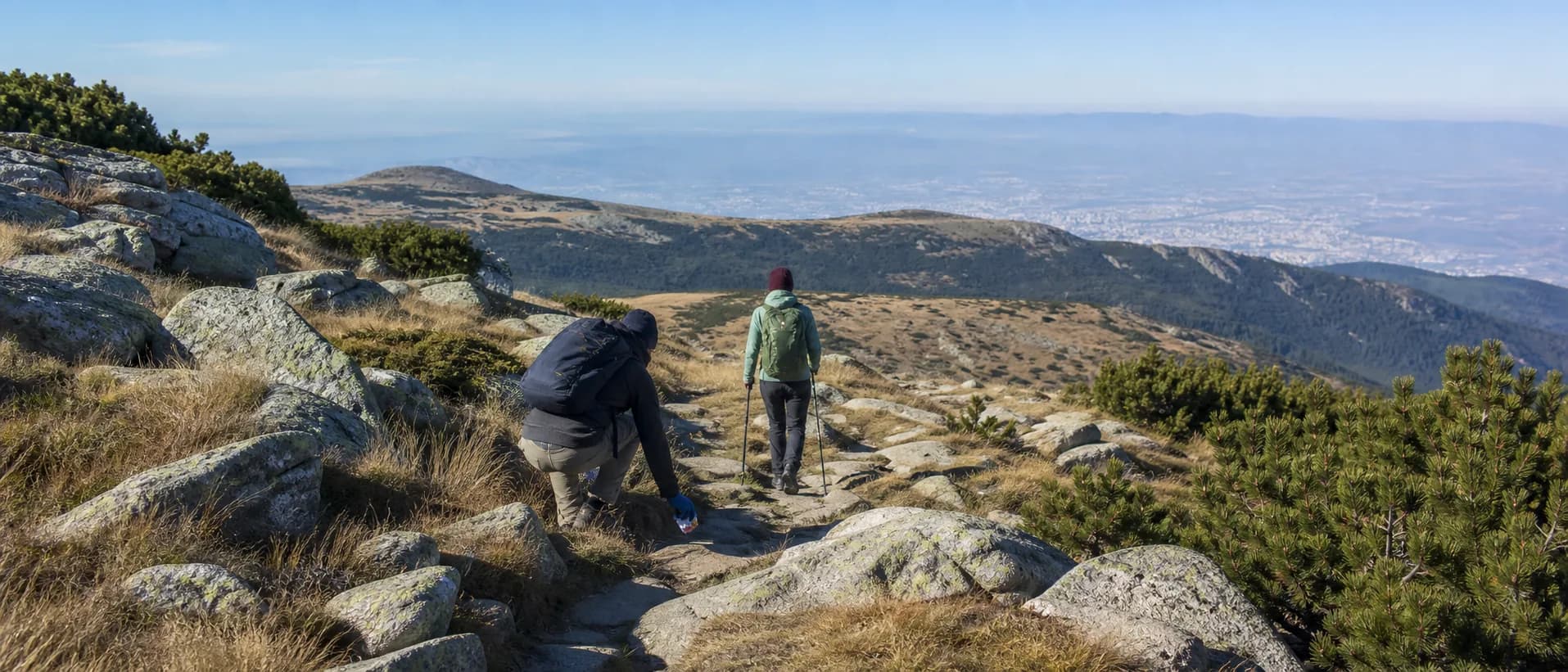
Fiordland is a place where “the track is open” is not the same as “the track is suitable for your group today.” Heavy rain can make mud deeper, bridges and unbridged crossings harder to use, and a return time less forgiving. The Department of Conservation advises visitors to check current conditions and be prepared for wet weather. Build the plan around the river and the turnaround, not around a fixed photograph or flight home.
Check the route at the last responsible moment
Read the DOC page for the exact track and ask the local visitor centre about current conditions. A general forecast for Te Anau or the coast may not describe the section where you will cross a river. Check heavy-rain watches and warnings, track alerts, transport, hut bookings and any water or tide note before committing.
If a warning appears after you have started, use the information to change the plan. Do not continue because a bus, boat or flight is booked. Fiordland’s official guidance notes that sections can become impassable after heavy rain and that some rivers are unbridged. A flexible return is a safety resource.
Make the river the turnaround point
Never test a fast or rising crossing by sending the lightest person first. Stop at a safe bank, look for the official crossing information and ask DOC or the local centre if the conditions are uncertain. Do not cross above a waterfall, on a moving log or where the exit bank is not secure. If the water is too high or the current too strong, wait only if the site is safe and the route guidance supports waiting; otherwise return.
Keep the group together and protect phones, spare layers and food from spray. A dry bag does not make a dangerous crossing safe. If someone falls or becomes cold, move to a safe place, contact the responsible person or emergency service and follow trained advice rather than improvising a rescue in fast water.
Stay on the track when mud tempts a shortcut
Use markers, bridges and constructed sections as intended. Walking around mud widens the track and can push people toward fragile plants, steep edges or a hidden drop. If a tree fall or slip blocks the route, do not create a new line unless the official manager has marked one. Turnaround is often the least damaging route.
Carry a waterproof layer, spare warm clothing, headlamp, food for delay and a way to communicate. A hut may be wet, full or farther away than the timetable suggests. Do not treat a hut as a guaranteed private room; follow its rules, keep noise low and leave the sleeping and cooking areas ready for the next group.
Keep water and waste separate
Use only confirmed water points and treat water according to current DOC or local advice. Keep soap, food scraps and fuel away from streams and hut water supplies. Pack all wrappers, tissues, sanitary products and damaged equipment into a sealed bag. Do not burn or bury waste, and do not leave it on a hut veranda because the bin is full.
Before departing, check under the sleeping mat, around the cooking area and inside pack pockets. If you find someone else’s small, safe litter, take it only if you can do so without leaving the track or handling unknown material. Report larger, sharp or hazardous waste to DOC.
Publish the conditions, not a promise
Record the date, track section, rain, river level, surface, markers, hut status, transport and the point where you turned around. Link the current official notice and distinguish it from your personal observation. Do not publish an unofficial crossing or an access route around a closure.
For a small, safe litter issue, add a dated place report in Garbamons. In Fiordland, turning back before the river becomes the story is a sign of good judgement, and carrying the whole waste bag out is part of the same responsibility.
Sources & further reading
- Know before you go: Fiordland — Department of Conservation Te Papa Atawhai
- Fiordland National Park — Department of Conservation Te Papa Atawhai
- Hollyford Track conditions — Department of Conservation Te Papa Atawhai
Access, prices and opening times change. Verify locally before you travel.
Tags
- Fiordland
- rain and rivers
- track conditions
- turnaround planning
- Aotearoa New Zealand
Further reading
Links to reference material and organisations we don't control.
- ReferenceHikingWikipedia
- ReferenceTrailWikipedia
- OrganisationThe seven Leave No Trace principlesLeave No Trace
- VideoREI — skills and gear explainersYouTube