Pacific Northwest beach cleanups — Washington and Oregon field guide
How tides, winter storms, remote access and lost fishing gear shape beach-cleanup planning on the Washington and Oregon coast.
Recently verified — 31 July 2026
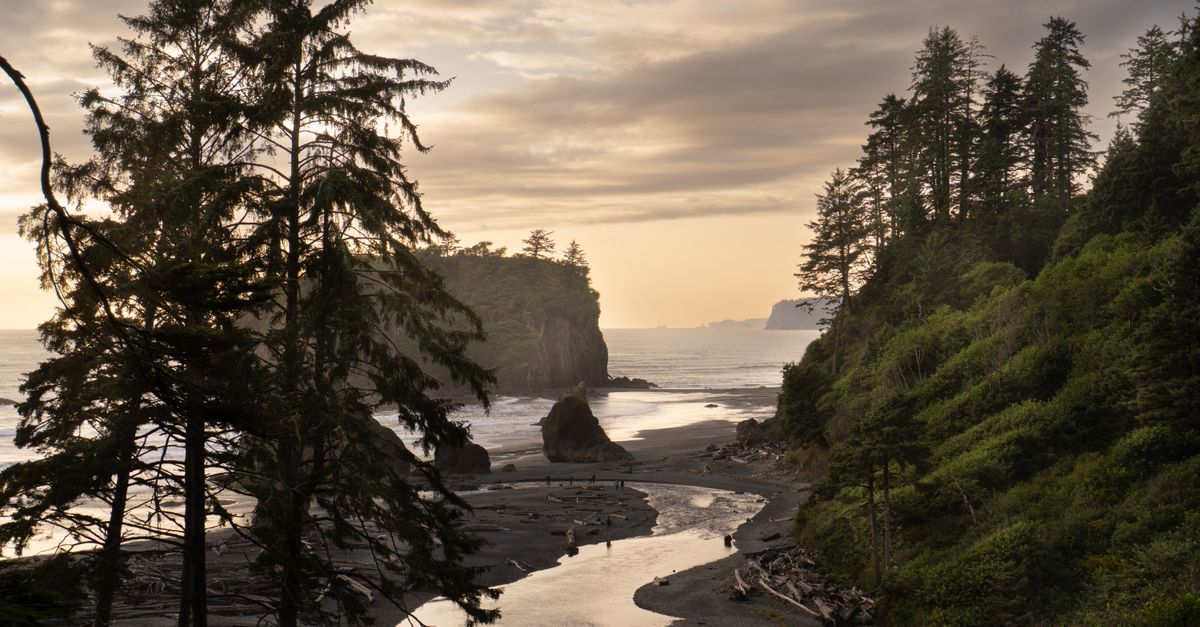
The Washington and Oregon coast is not one long city beach. NOAA describes a Pacific Northwest shoreline shaped by remote access, fall and winter storms, debris transported across the Pacific and lost fishing gear that can require professional fishers or divers to remove.
Those conditions change cleanup logistics. A small plastic-fragment survey near a safe access is a volunteer job. A waterlogged net below an unstable headland may be an agency project.
Plan around tide, surf and daylight
Read the local tide prediction and National Weather Service coastal forecast. Identify headlands, cliffs, large drift logs and creek crossings that can cut off a return route. Establish a turnaround time based on the rising tide, not on when volunteers hope to finish.
Sneaker waves can travel farther than the visible pattern. Never turn your back on surf or climb driftwood near active waves. High wind can make both volunteers and collected plastic harder to control.
Match removal to access
Every filled bag must return over the same dune, stair or trail. Scout the carry distance and limit bag weight. Use reusable buckets for small fragments and durable sacks for light material, but do not overload volunteers with wet rope or timber.
Confirm a staging point above the tide and a pickup time with the park, county or organizer. Never cache bags behind driftwood for “later.”
Distinguish natural wrack from debris
Driftwood and seaweed provide shelter and food. Leave natural material in place. Remove human-made fragments without stripping the strandline or disturbing nesting areas. Follow seasonal beach-driving and wildlife closures.
Record what the storms deliver
Note recent weather, segment length, tide and wrack condition. NOAA's MDMAP offers a standardized route for groups interested in trends. A normal cleanup tally remains useful when it is labeled as event data.
Lost crab pots, nets, floats, aquaculture material and fragments may need different categories and response paths. Keep identifying marks visible in photographs without handling unsafe gear.
Publish current access, not permanent promises
Roads, stairs and beach routes change after storms. Add a dated condition report for the beach access and say when it was observed. For a recurring debris pocket, map the cleanup location with tide-safe access and estimated load.
If the manager approves a group day, publish the cleanup with its tide window, meeting point and disposal plan. The most useful invitation says where not to go as clearly as where to meet.
Pacific Northwest cleanup work is a transport problem as much as a pickup. Respect the ocean, keep the route home open and leave heavy entanglements to teams equipped to remove them.
Sources & further reading
- Pacific Northwest region — NOAA Marine Debris Program
- National Weather Service beach hazards — National Weather Service
Access, prices and opening times change. Verify locally before you travel.
Tags
- Washington coast
- Oregon coast
- marine debris
- beach cleanup
Background reading
Links to reference material and organisations we don't control.
- ReferenceBeach cleaningWikipedia
- OrganisationInternational Coastal CleanupOcean Conservancy
- VideoThe Ocean Cleanup on YouTubeYouTube
- OrganisationSurfrider Foundation — coastal protectionSurfrider Foundation