Sofia rephotography route — rebuild historic views from public ground
Research archive photographs of Sofia, identify a lawful repeat viewpoint, record uncertainty and create a then-and-now route without blocking streets or invading privacy.
Recently verified — 1 August 2026
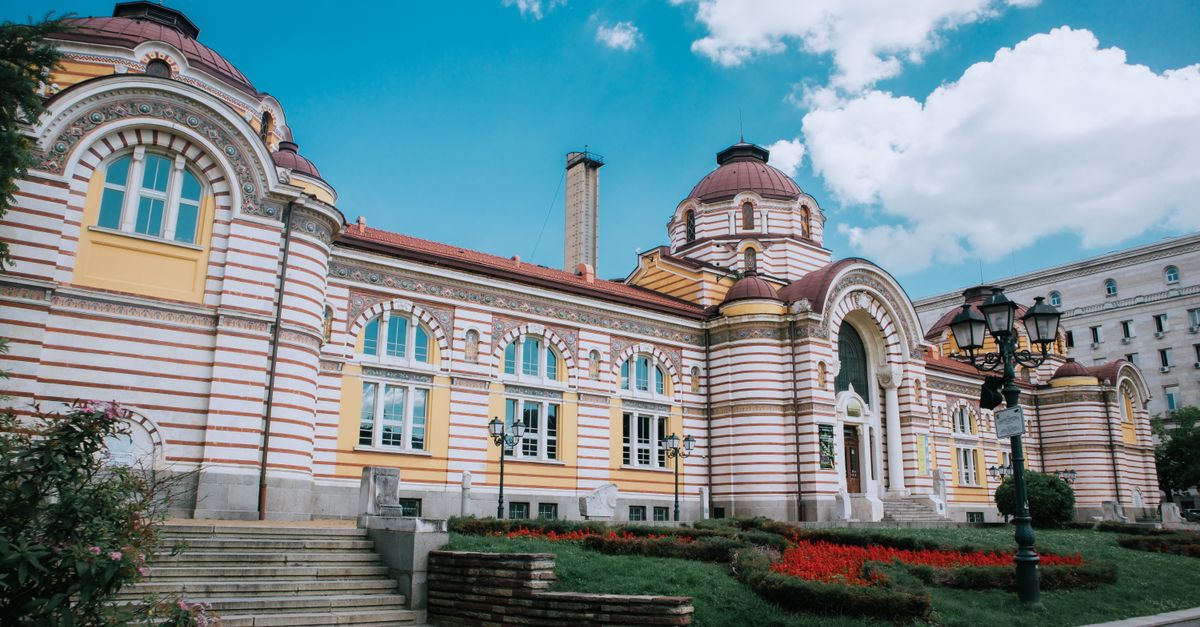
Rephotography is most useful when the archive source, approximate date and repeat viewpoint are documented. The aim is not a pixel-perfect match obtained by stepping into traffic or private space.
Choose archive images with evidence
Record archive title, holding institution or publication, creator when known, date range and rights information. Separate a catalogue date from your own estimate. Look for stable geometry: church towers, street corners, ridgelines and facades.
Work safely in the city
Scout without a tripod first. Keep equipment off cycle lanes, tram areas, crossings and entrances. Do not photograph through residential windows or enter courtyards without permission.
Upload the pair through Garbamons' rephotography activity. Caption what changed and what remains uncertain. A transparent mismatch is more informative than silent cropping presented as exact.
Build a route of three to five nearby views and add lawful access notes. Avoid publishing faces or plates unnecessarily. If a viewpoint has significant litter, use a separate cleanup pin rather than hiding it outside the crop.
Verify the archive before matching geometry
Download the highest lawful reference available and keep its catalogue page, not just a reposted image. Check whether the photograph has been cropped, mirrored, retouched or captioned later. A printed postcard date may indicate publication rather than the exposure date. Record these distinctions so architectural changes are not assigned to the wrong year.
List the visible fixed elements and the ones that may have moved: street furniture, trees, signs and tram infrastructure are weaker anchors than building corners and ridgelines. Use old maps or documented street-name changes as research aids, but label any inferred viewpoint as provisional. Do not identify residents or invent a story from people visible in the archive.
Scout the viewpoint as a pedestrian
Visit without setting up equipment and watch a full traffic-light cycle where roads are involved. Note pavement width, cycle flow, stops, deliveries, queues and whether the sun forces the photographer into somebody else’s path. A quiet position early in the scout may become busy minutes later. Select a standing point that remains lawful and predictable.
If the view depends on a managed terrace, building or park, confirm opening and photography rules. Ask before using a tripod. A ticket does not necessarily allow commercial equipment, and a public institution is not the same as unrestricted public ground. Keep a street-level alternative.
Reconstruct the view transparently
Begin with camera height and broad orientation, then compare stable edges. Different lenses change the apparent relationship between foreground and background; moving several metres is not equivalent to changing focal length. Record both the chosen lens or phone setting and the horizontal offset from the estimated historic point.
Do not use generative fill, remove modern objects or stretch perspective in a documentary comparison without clear disclosure. Cropping and tonal correction may aid presentation, but retain the uncropped original and describe material edits. When an exact alignment is impossible, pair the closest safe frame with a diagram or caption explaining why.
Build a walk that works without the photographs
Link nearby viewpoints through verified pavements, crossings and park paths. State distance, surface, steps, shade, toilets and public transport with a check date. Give each stop a safe waiting point so a group does not gather in a doorway. Provide a shorter route and an alternative for any view that depends on stairs or temporary access.
Sequence the stops so participants do not cross the same busy road repeatedly. Avoid peak crowding where tripods or comparisons would obstruct normal movement. If the historic city line requires an unsafe position, include the image as a research stop without asking participants to reproduce it.
Publish evidence and respect current life
Credit the archive according to its rights information and link to the holding page. Caption the historic date confidence, modern date, exact or approximate viewpoint, offset and major uncertainties. Seek consent for recognisable portraits in the modern frame and avoid clear faces or plates when they add nothing to the comparison.
Invite corrections with sources rather than silently replacing the record. A later contributor may locate a stronger archive identifier or safer viewpoint. Keep earlier dated versions so the research trail remains visible. Street works, vegetation and access change; an honest rephotography route is a maintained field record, not a permanent promise.
Build a Sofia rephotography routeSources & further reading
- Lost Bulgaria digital archive — Lost Bulgaria
- Sofia Municipality — Sofia Municipality
Access, prices and opening times change. Verify locally before you travel.
Tags
- Sofia
- rephotography
- archives
- photo route
Further reading
Links to reference material and organisations we don't control.
- ReferenceRephotographyWikipedia
- VideoPBS Terra — landscapes and climateYouTube
- ReferenceVitoshaWikipedia
- ReferenceRock formationsWikipedia