How to plan a low-waste road trip across the United States
A practical packing, food, recycling and campground-waste system for American road trips where collection rules change by city and public land has no bins.
Recently verified — 31 July 2026
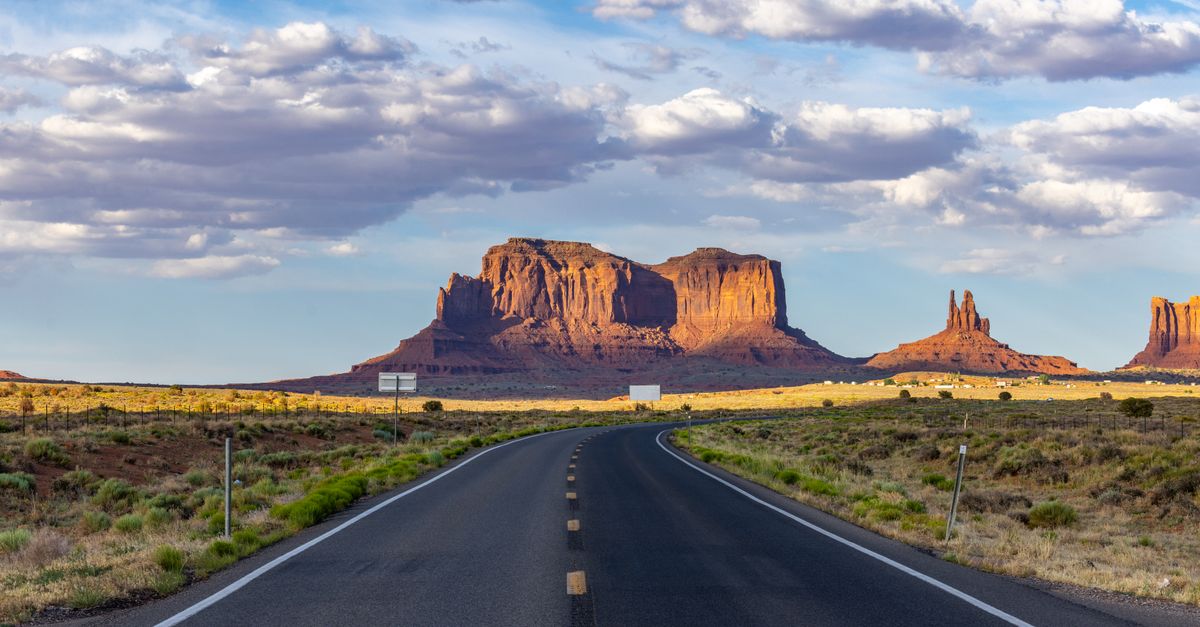
A low-waste road trip is mostly a storage problem. If the vehicle has one open grocery bag for everything, liquids leak, redeemable containers mix with trash and lightweight packaging escapes at every stop. A simple system works across changing local rules.
Pack four containers
- A lidded trash container or secured heavy bag.
- A rigid box for empty, dry cans and bottles.
- A small sealed container for food scraps until a legitimate outlet.
- A “special return” pouch for batteries or other items that must not enter ordinary bins.
Add reusable water bottles, cups, utensils, food boxes, shopping bags and a washable cloth. Repack snacks before departure, but keep required labels for medication and any food where allergy information matters.
Learn the rule at each disposal point
Recycling acceptance is local in the United States. Do not unload a vehicle's mixed containers into a park bin because the label resembles the one at home. Read the openings and posted list. If uncertain, carry material to the next verified outlet.
Deposit states have their own redemption systems and eligible containers. A deposit mark does not mean every curbside program wants that item separated.
Treat public-land camps as pack-out locations
Dispersed camping normally provides no collection. Secure every scrap from wind and wildlife, including food and scented waste. Do not place household road-trip trash in a small trailhead receptacle or beside a full dumpster.
Never burn packaging, foil, wipes or food. A fire ring is not a waste facility.
Make refilling part of the route
Mark reliable drinking-water sources, but verify potability and seasonal availability with the operator. Carry enough capacity for gaps and emergencies. Do not rely on an untested spring or a campground tap that may be shut off.
When planning scenic stops, browse mapped water taps, picnic spots and visitor condition reports. Community reports are useful leads; official notices and on-site signs control.
Run a five-minute vehicle sweep
At every overnight stop:
- Check door pockets and seat gaps.
- Empty the footwell before doors open in wind.
- Secure pickup-bed and roof loads.
- Move food and scented trash into wildlife-safe storage.
- Check the parking surface after departure.
These tiny routines prevent more litter than sorting heroic quantities later.
Pick up safely, report what is bigger
Carry gloves and a grabber for ordinary roadside or campsite litter, but stay out of traffic and do not handle sharps, unknown liquids, damaged batteries or heavy dumping. Map larger cleanup locations with photos, access and bag estimate instead of trying to solve them during a travel day.
For memorable stops, publish a mapped road-trip field note with current access and stewardship details. Useful travel content tells the next visitor where to refill, what rules changed and how to leave the stop intact.
Low-waste travel does not require carrying jars across a continent. It requires preventing escape, refusing unnecessary items and delivering each waste stream to a place that actually accepts it.
Sources & further reading
- Reduce, reuse, recycle — US Environmental Protection Agency
- Leave No Trace seven principles — Leave No Trace
Access, prices and opening times change. Verify locally before you travel.
Tags
- road trip
- low waste travel
- camping
- recycling
Elsewhere on the web
Links to reference material and organisations we don't control.
- ReferenceRoad tripsWikipedia
- ReferenceEcotourismWikipedia
- VideoNational Geographic on YouTubeYouTube