Protect alpine lake shores from walk-down trails
Keep popular Rocky Mountain lake viewpoints from widening by choosing durable access, managing photography and reporting erosion early.
Recently verified — 3 August 2026
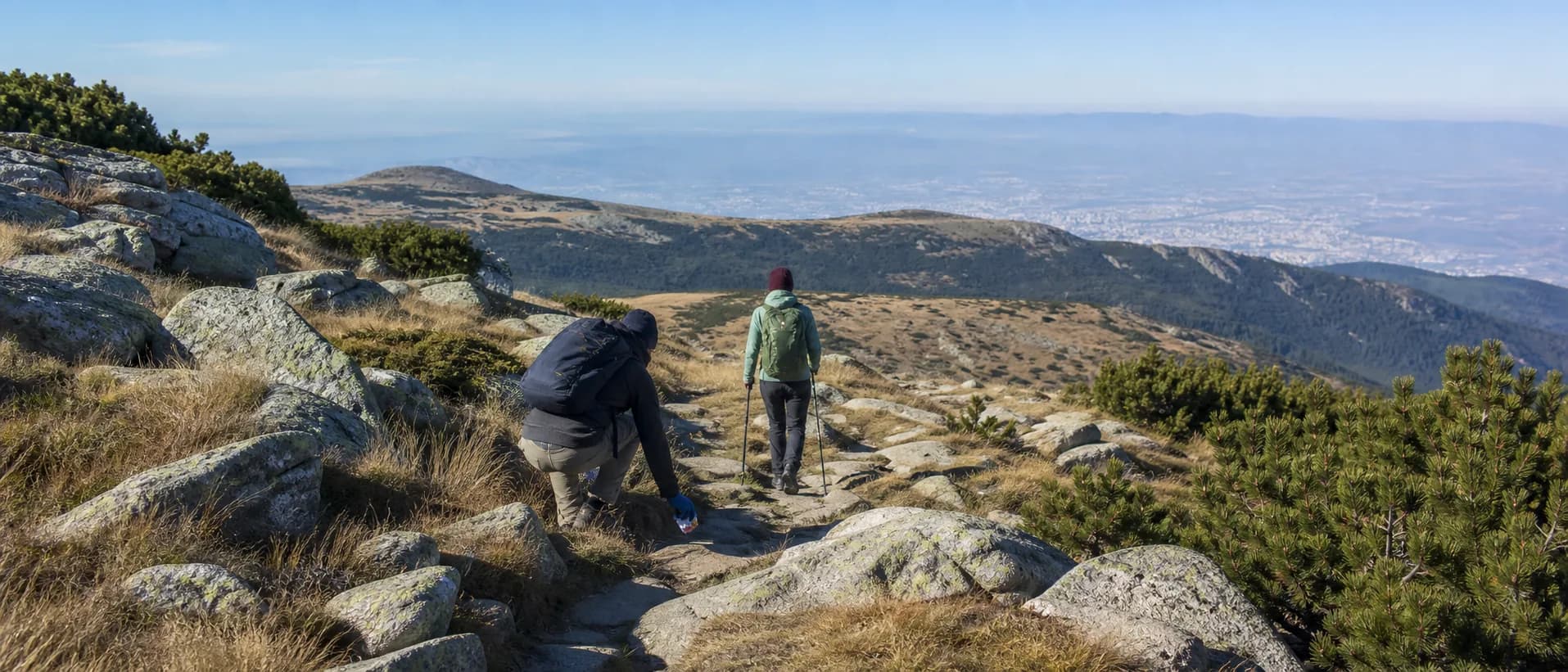
An alpine lake can attract hundreds of people to a narrow shoreline. Each person who walks around a puddle, steps out for a reflection or creates a new photo angle adds a small amount of erosion. Over time, walk-down trails expose roots, widen mud and damage plants that recover slowly.
Read the official access design
Follow boardwalks, marked trails, barriers and viewing platforms even when the water looks close. A closed shoreline may protect vegetation, nesting habitat, water quality or a restoration project. Do not move rocks, flags or ropes to reach a better view.
If the path is muddy, wait or use the alternate route named by the manager. Repeatedly stepping around wet ground can create several parallel trails. Keep groups single file and stop for photographs on the durable surface, not at the edge.
Keep water and wildlife undisturbed
Do not wash dishes, sunscreen, shoes or gear in the lake. Use the approved drinking-water collection point and treatment method. Keep food and waste secured, and never feed birds or approach animals at the shore. Dogs should follow the official leash and access rule.
Swimming, paddling and fishing may require separate rules and permits. A scenic viewpoint is not permission to enter water or launch equipment.
Report erosion without “fixing” it
Photograph a washout, trampled edge or damaged barrier from the established route. Record the date, weather, approximate length and whether the condition blocks access. Do not fill a rut, add rocks or build a shortcut closure unless the manager directs that work.
Add a dated alpine-lake condition report with the official route. Map a shoreline cleanup or erosion observation with exclusions, and use fixed viewpoints that do not encourage a fragile photo angle.
The best lake visit leaves the shoreline looking untouched: no new track, no soap, no food reward and no public directions to a place the manager is trying to let recover.
Sources & further reading
- Leave No Trace Seven Principles — National Park Service
- Trails and visitor use management — National Park Service
Access, prices and opening times change. Verify locally before you travel.
Tags
- alpine lakes
- Rocky Mountains
- erosion
- viewpoints
Background reading
Links to reference material and organisations we don't control.
- ReferenceLakeWikipedia
- ReferenceProtected areasWikipedia
- VideoPBS Terra — landscapes and climateYouTube
- ReferenceThe Rocky MountainsWikipedia